Governor Newsom and lawmakers reached a $351.7 billion budget deal that uses a windfall from stock gains and new taxes to avoid deep cuts, while boosting funding for schools, healthcare, childcare and housing, and proposing a larger rainy-day reserve via a constitutional amendment. The plan aims to weather revenue swings, but economists warn the fix may be temporary and the state remains structurally reliant on reserves amid a long-term deficit.
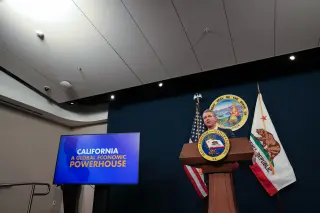
California Gov. Gavin Newsom unveiled a revised 2026-27 budget that aims to balance the books for 18 months after he leaves, pairing continued reserves withdrawals with new cuts and a larger rainy-day fund to blunt a potentially long-term deficit. Fueled by a surge in tax revenue from California’s AI-driven tech sector, the plan projects a near $350 billion spending blueprint that still expects a deficit in 2028-29 and 2029-30, and it slashes general-fund spending by about $1.8 billion, mainly through Medi-Cal cuts and higher premiums for about 1.3 million undocumented immigrants while reinstating asset tests. Newsom would transfer money into the rainy-day fund and set aside billions for future years, while also funding targeted items like paid pregnancy leave for TK-12 and community college staff and literacy and math supports. The plan clashes with Democratic lawmakers over education funding levels, homelessness money, and corporate tax credits, and would impose new matching requirements on localities receiving homelessness funds. Negotiations continue, with a June 30 deadline for a final deal.
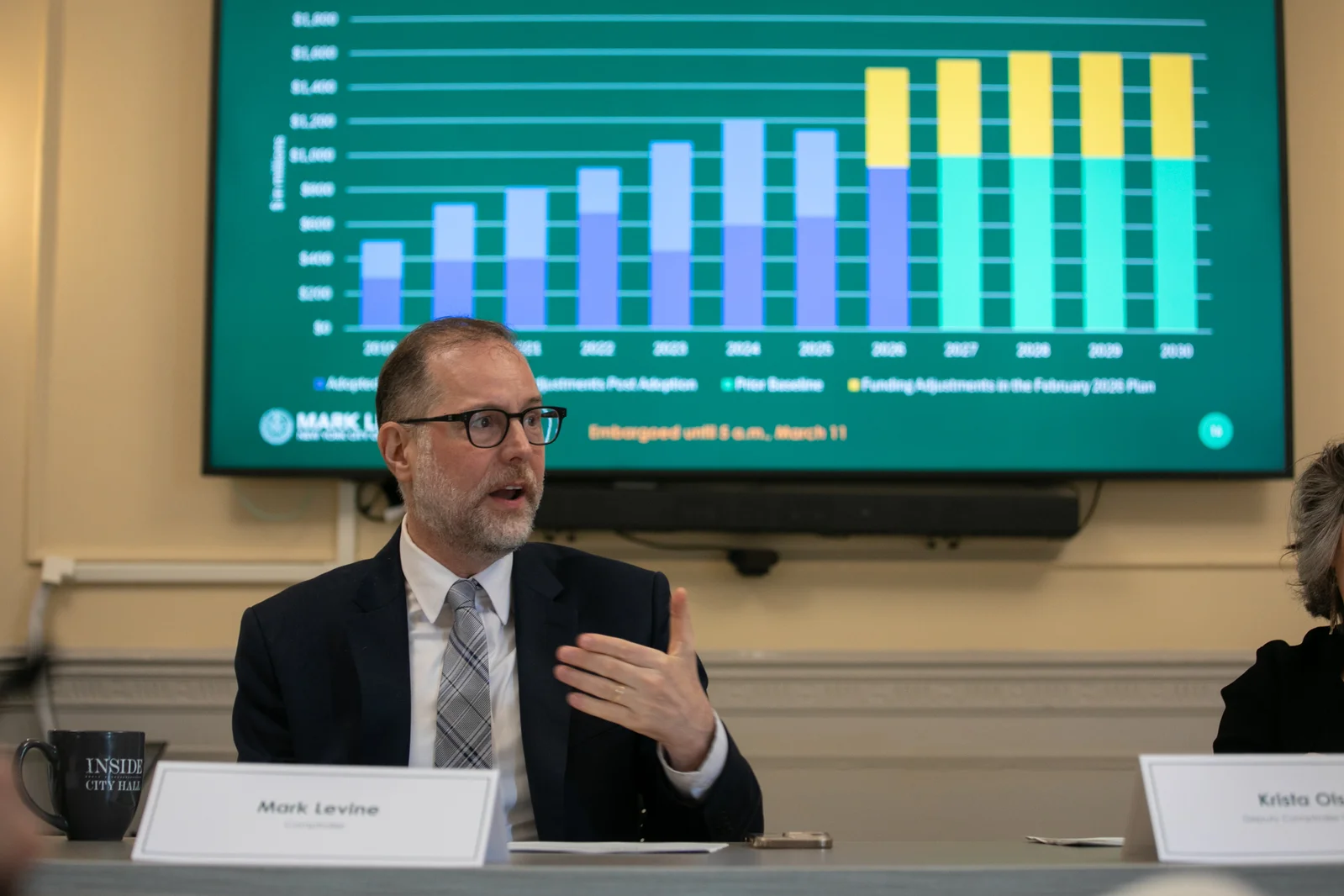
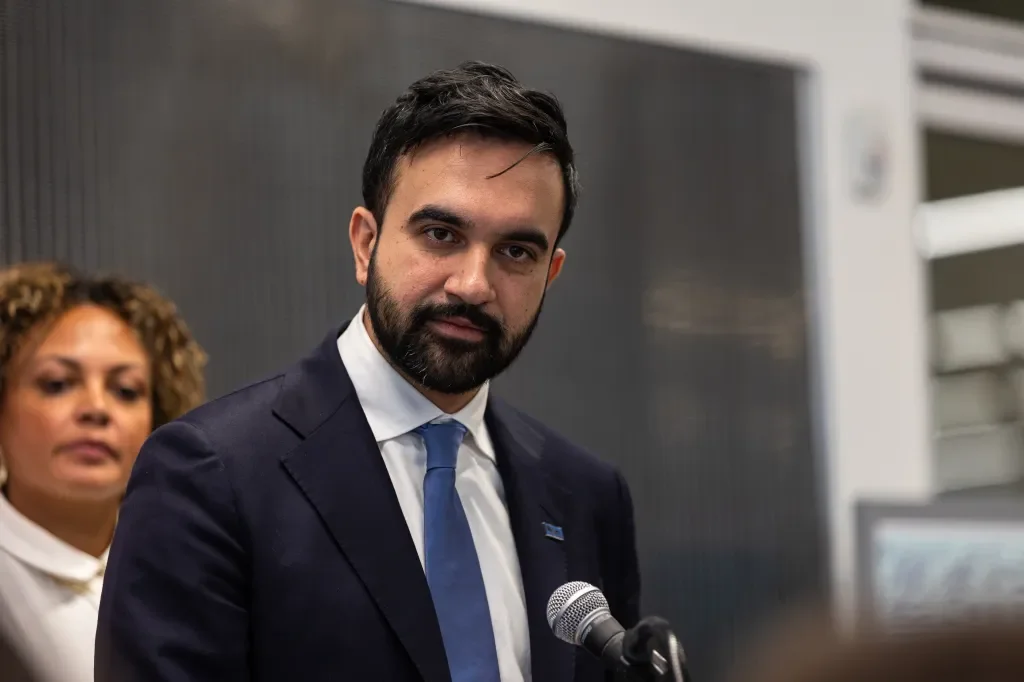
New York City Mayor Mamdani’s $127B budget leans on a Wall Street revenue boost, reserve draws, and a broad property tax hike, but critics from the IBO and Comptroller Levine warn that betting on ongoing Wall Street gains is risky and reserves shouldn’t be tapped; Moody’s has outlooked the city negative, signaling pressure to close gaps as Albany debates tax proposals and a tax reform push to address an unfair property tax system that would likely burden renters.
Moody’s downgrades NYC’s financial outlook to negative, citing large, ongoing budget gaps and the plan to dip into reserves to balance this year’s budget; the Aa2 rating remains intact for now but the outlook could worsen if deficits persist. Mayor Mamdani’s proposal to withdraw nearly $1 billion from the rainy-day fund faces pushback from the City Council and comptroller, as state funding talks continue and the city confronts a roughly $7.3 billion budget gap.
California Gov. Newsom proposes tapping into the Rainy Day Fund to address a nearly $38 billion deficit, aiming to protect investments in education, public safety, homelessness, mental health care, and climate action. The proposal includes pulling over $13 billion from reserves and offering free health insurance to approximately 700,000 illegal immigrant residents aged 26-49. The budget also involves $8.5 billion in spending cuts, with half spread across housing and climate programs, and a decrease in public school funding. Republican Assemblyman James Gallagher criticized the proposal as "pure fantasyland," arguing that it fails to address the state's overspending issue.
The New York City Council is set to finalize a $107 billion budget deal that restores high-profile cuts, adds new initiatives, and is slightly bigger than last year's budget. Fiscal watchdogs express concern about overcommitment and suggest saving the extra funds in the Rainy Day Fund. The budget includes funding for one year for many new programs. The deal does not include $17 million for supportive services in city jails. The city faces challenges ahead, including renegotiating contracts with organized labor and addressing the $4.3 billion cost of the migrant crisis.