Major food companies are increasingly adopting regenerative agricultural practices across diverse product categories, including dairy and snack foods, to enhance soil health and supply chain resilience.
In a rare live-policy moment, President Trump hosted a signing ceremony for an executive order promoting regenerative agriculture, but faced intense in-room pressure from top advisers, farmers, and the American Farm Bureau Federation, highlighting a split within his coalition over pesticide use and food safety while illustrating how the administration negotiates policy in real time.
White House issues an executive order to advance regenerative agriculture and strengthen farm resilience by expanding federal investment, accelerating precision farming, and boosting public-private partnerships; it builds on the MAHA agenda and a prior $1 billion federal investment to help farmers adopt regenerative practices, improve soil health, and access new markets. The order also directs faster EPA registration of safer alternatives, calls for a research framework on cumulative chemical exposures, and launches NIH challenges and ARPA-H priorities to reduce reliance on conventional pesticides, with costs borne by HHS and a focus on keeping the U.S. food supply healthy, abundant, and affordable.
President Trump signs an executive order advancing regenerative agriculture as the USDA releases the final Regenerative Feedstock Rule, linking regenerative farming practices to new biofuel markets with standards for carbon intensity, traceability, and auditing, plus an updated carbon intensity calculator to help farmers market feedstocks such as corn, soybeans, sorghum, and canola.
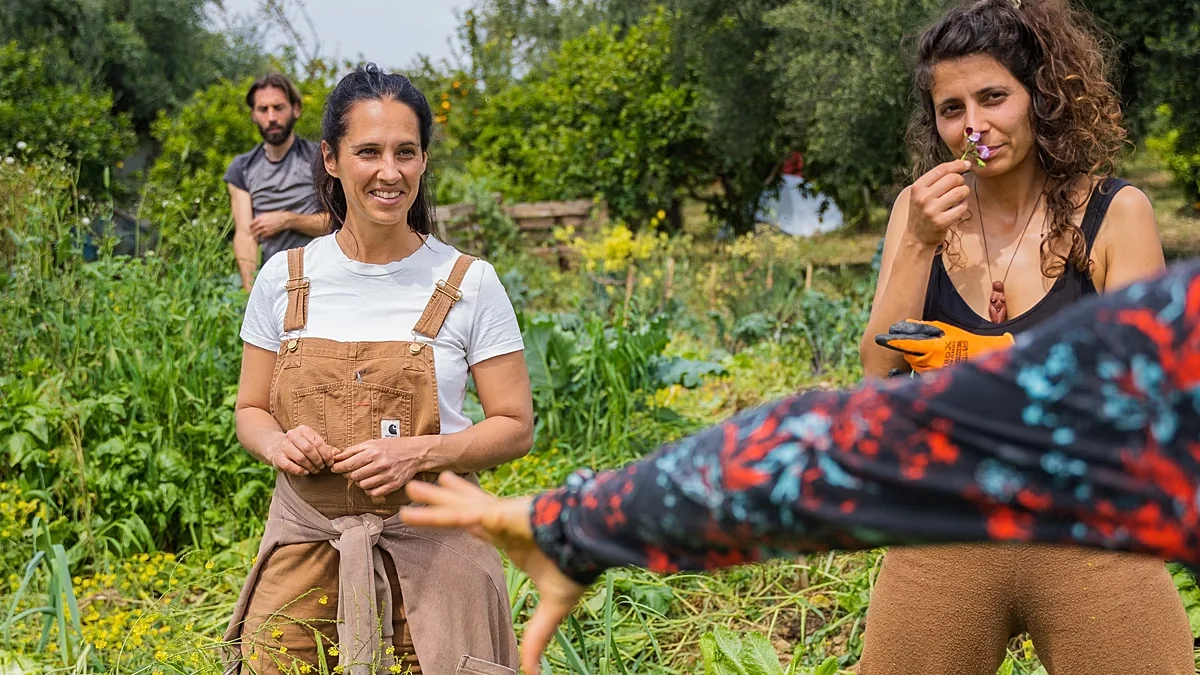
Europe faces fertiliser and energy-price shocks due to the Iran war and Hormuz disruption, but regenerative farming—using compost, manure, cover crops, and rotational grazing—can maintain yields while drastically cutting synthetic fertiliser and pesticide use. Case studies across Greece, Spain, and the Basque Country show improved soil health and biodiversity, plus on-farm energy and shorter supply chains. Yet adoption remains limited (around 2% fully regenerative; 5–10% transitioning) because of labour intensity, upfront costs, and policy barriers in the CAP; stronger training, funding, and incentives are needed to scale this resilience.
McDonald's announced a $200 million investment over seven years to promote regenerative agriculture practices on US cattle ranches, aiming to improve soil health, water conservation, and reduce chemical use, in collaboration with the National Fish and Wildlife Foundation and other partners.
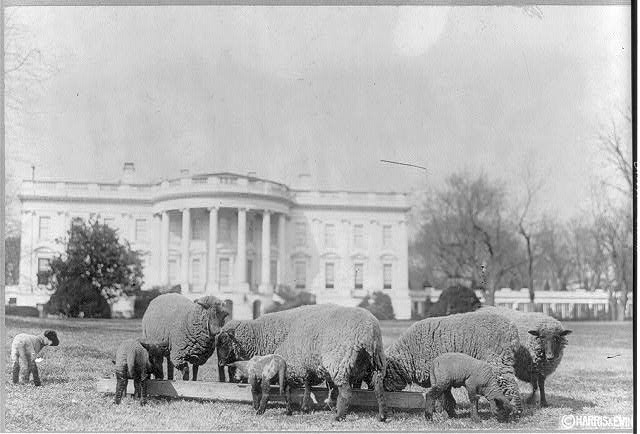
Lamb Mowers, a small business in Northern Virginia, is revolutionizing lawn care by employing sheep to mow, weed, and fertilize suburban lawns. By grazing on nuisance plants and selectively eating weeds, the sheep provide a natural and chemical-free alternative to traditional lawn maintenance. The sheep's gentle grazing habits promote healthy root growth and biodiversity, while their presence brings joy and therapeutic benefits to homeowners. This sustainable approach to lawn care reduces emissions and connects people with nature, offering a glimpse into a different relationship with grass and the environment.