A Georgia Tech-led study maps RNA building blocks embedded in human DNA and finds they cluster near active genes and alter DNA twisting, suggesting embedded ribonucleotides help regulate transcription and genome organization—revealing a “ribome” with potential links to disease.
Astronomers detected erythrulose, a four-carbon sugar, in a Milky Way molecular cloud—the first sugar found in interstellar space—hinting that sugars and RNA-building blocks may be widespread in the cosmos, with estimates that up to 50 million tons could have rained down on early Earth to support prebiotic chemistry.
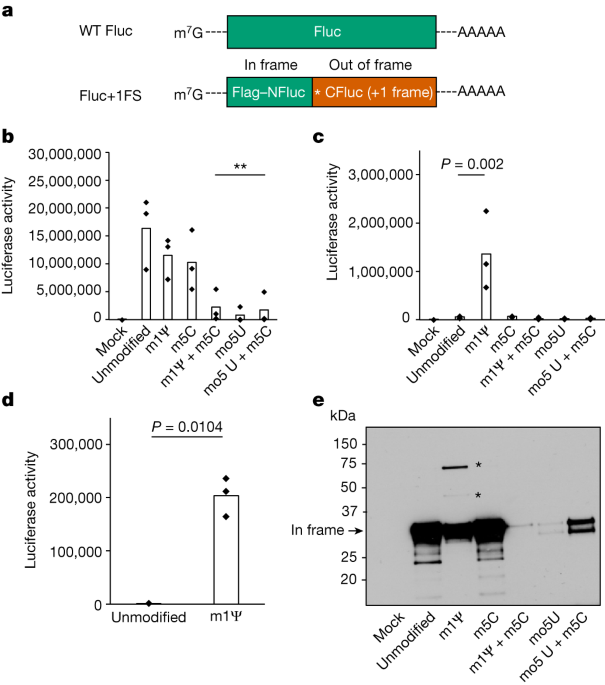
The presence of N1-methylpseudouridine (1-methylΨ) in mRNA can cause ribosomal frameshifting, leading to the production of +1 frameshifted polypeptides. This study investigated the effects of various modified ribonucleotides on mRNA translation and found that 1-methylΨ significantly increased frameshifting. Furthermore, it was observed that mRNA vaccines containing 1-methylΨ, such as the approved SARS-CoV-2 mRNA vaccines, can elicit off-target cellular immune responses due to the production of +1 frameshifted antigens. These findings highlight the importance of understanding the impact of modified ribonucleotides on protein synthesis and the design of mRNA-based therapeutics.
Scientists are studying the chemical reactions that may have led to the formation of life on Earth. They are particularly interested in the role of autocatalytic reactions, which produce chemicals that encourage the same reaction to happen again. By integrating autocatalysis into the formose reaction, a well-known chemical pathway, researchers have found a way to produce more stable ribonucleotide building blocks, which are crucial components of RNA. This research not only sheds light on the origins of life but also has potential industrial applications in making common chemical reactions cheaper and more efficient.