
ZFP36L2 Identified as Key Molecular Switch Linking Stress Response to Cancer Metastasis
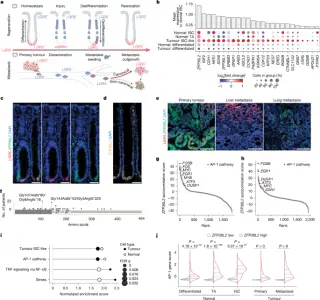
Researchers at Memorial Sloan Kettering Cancer Center (MSK) have identified ZFP36L2 as a critical molecular switch that regulates cellular plasticity in both normal intestinal repair and colorectal cancer (CRC) metastasis. Published in Nature, the study reveals that ZFP36L2 acts as a stress sensor that terminates stress responses, allowing differentiated cells to dedifferentiate into stem cell states. In healthy tissue, this enables wound healing; in cancer, it facilitates metastatic seeding. Loss of ZFP36L2 function prevents metastasis but promotes aggressive, non-canonical tumor states associated with poor clinical outcomes.