Tag

Router Security

All articles tagged with #router security

Tenda RX3 Router Vulnerability CVE-2026-136554 Allows Unauthenticated Remote Access
cybersecurity10 hours ago

Tenda RX3 Router Vulnerability CVE-2026-136554 Allows Unauthenticated Remote Access

A medium-severity vulnerability, CVE-2026-136554, has been identified in Tenda RX3 routers running firmware version 16.03.13.11_multi. The flaw affects the 'fromSysToolRestoreSet' function within the httpd component, allowing remote attackers to bypass authentication. A proof-of-concept exploit is publicly available, and the issue carries a CVSS score of 5.3.

Tenda RX3 Router Flaw CVE-2026-136553 Allows Remote Authentication Bypass
cybersecurity11 hours ago

Tenda RX3 Router Flaw CVE-2026-136553 Allows Remote Authentication Bypass

A critical vulnerability, CVE-2026-136553, has been identified in the Tenda RX3 router firmware version 16.03.13.11_multi. The flaw, located in the /goform/fast_setting_wifi_set function, allows remote attackers to bypass authentication by manipulating the loginPwd argument. With a CVSS score of 10.0, the exploit is publicly available and requires no user interaction or prior privileges, posing a severe risk to device confidentiality, integrity, and availability.

Tenda RX3 Firmware Flaw Allows Command Injection via IPv6 Configuration
cybersecurity11 hours ago

Tenda RX3 Firmware Flaw Allows Command Injection via IPv6 Configuration

A critical command injection vulnerability, CVE-2026-136552, has been identified in Tenda RX3 routers running firmware version 16.03.13.11_multi. The flaw exists in the 'remoteIP' argument of the 'formSetIPv6status' function within the multiWAN component. Attackers can exploit this remotely to execute arbitrary commands, potentially compromising the device's confidentiality, integrity, and availability. A proof-of-concept exploit is publicly available, and the vulnerability carries a CVSS score of 9.4.

Tenda RX3 Router Flaw Allows Command Injection via MAC Address Input
cybersecurity11 hours ago

Tenda RX3 Router Flaw Allows Command Injection via MAC Address Input

A critical command injection vulnerability, CVE-2026-136550, has been identified in Tenda RX3 routers running firmware version 16.03.13.11_multi. The flaw exists in the 'fromAdvSetMacMtuWan' function within the '/goform/AdvSetMacMtuWan' file, allowing remote attackers to manipulate the 'mac' argument to execute arbitrary commands. Although the attack requires high privileges, it can be exploited remotely without user interaction, potentially compromising the confidentiality, integrity, and availability of the system. A proof-of-concept exploit is publicly available.

Critical Command Injection Flaw in Tenda RX3 Routers Allows Remote Exploitation
cybersecurity12 hours ago

Critical Command Injection Flaw in Tenda RX3 Routers Allows Remote Exploitation

A critical command injection vulnerability, CVE-2026-136549, has been identified in Tenda RX3 routers running firmware version 16.03.13.11_multi. The flaw exists in the 'remoteIp' argument of the 'formSetSafeWanWebMan' function within the '/goform/SetRemoteWebCfg' file. Attackers can exploit this remotely without authentication or user interaction, potentially compromising confidentiality, integrity, and availability. A proof-of-concept exploit is publicly available.

Tenda RX3 Router Flaw Enables Remote Code Execution via GBK Conversion Bug
security12 hours ago

Tenda RX3 Router Flaw Enables Remote Code Execution via GBK Conversion Bug

A critical vulnerability, CVE-2026-136548, has been identified in the Tenda RX3 router running firmware version 16.03.13.11. The flaw exists in the GBK-to-UTF-8 conversion function within the /bin/auto_discover component. By manipulating the Hostname argument, attackers can trigger a stack-based buffer overflow. This allows remote exploitation without requiring authentication or user interaction, potentially leading to full system compromise. The vulnerability carries a CVSS score of 10.0, indicating maximum severity, and a proof-of-concept exploit is publicly available.

Critical Auth Bypass Flaw in Tenda RX3 Routers Exposes Devices to Remote Attacks
cybersecurity12 hours ago

Critical Auth Bypass Flaw in Tenda RX3 Routers Exposes Devices to Remote Attacks

A critical vulnerability, CVE-2026-136547, has been identified in the Tenda RX3 router, specifically affecting version 16.03.13.11_multi. The flaw resides in the R7WebsSecurityHandler function of the httpd component, allowing remote attackers to bypass authentication entirely. With a CVSS score of 10.0, the exploit is publicly available and requires no user interaction or prior privileges, posing a severe risk to confidentiality, integrity, and availability.

ASUS Patches Medium-Severity Race Condition in Router Firmware
cybersecurity1 day ago

ASUS Patches Medium-Severity Race Condition in Router Firmware

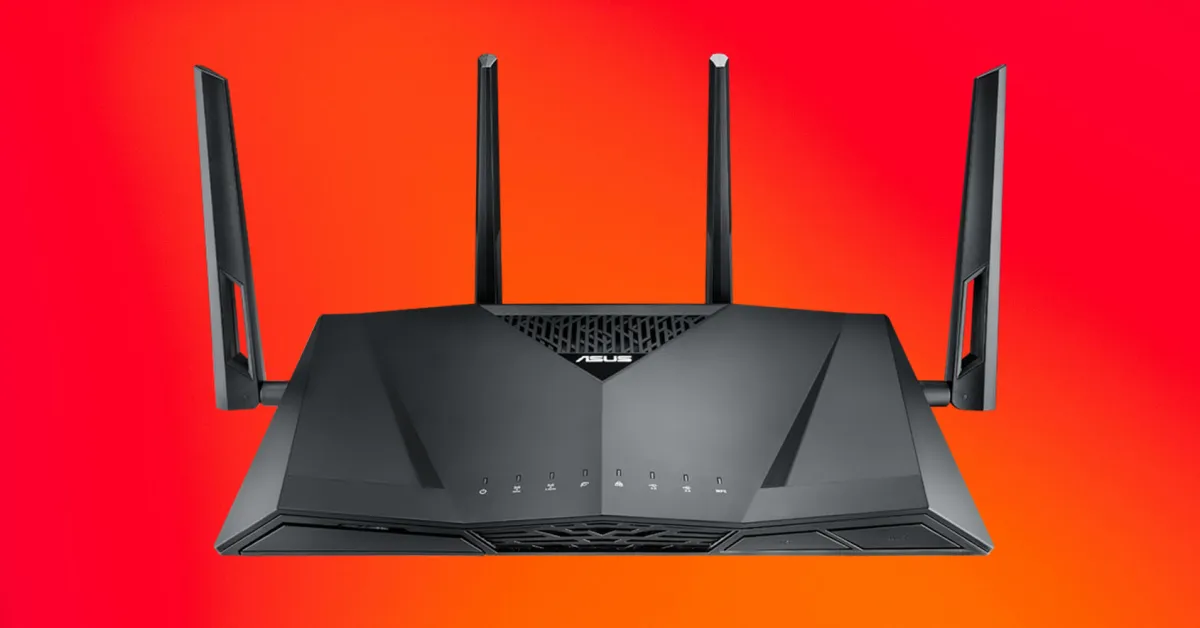
ASUS has released a security advisory to address CVE-2026-75776, a medium-severity vulnerability affecting specific router firmware versions. The flaw allows unauthenticated users within the adjacent network to crash the system or corrupt data through a race condition involving shared resources. Affected models include the 3.0.0.4.386, 3.0.0.4.388, and 3.0.0.6.102 series. Users are advised to apply the latest firmware updates to mitigate the risk of service disruption.

ASUS Router Flaw Lets Nearby Attackers Crash Devices via Crafted Packets
cybersecurity1 day ago

ASUS Router Flaw Lets Nearby Attackers Crash Devices via Crafted Packets

ASUS has disclosed a high-severity vulnerability in certain router firmware versions that allows unauthenticated attackers within adjacent networks to crash devices. The flaw, identified as CVE-2026-93457, involves an out-of-bounds write triggered by crafted LLTD packets, potentially leading to denial-of-service conditions. Affected versions include the 3.0.0.6.102, 3.0.0.4.386, and 3.0.0.4.388 series. ASUS advises users to apply the latest security updates to mitigate the risk.

D-Link DIR-600L Router Flaw Allows Unauthenticated Access to Hedwig CGI
cybersecurity1 day ago

D-Link DIR-600L Router Flaw Allows Unauthenticated Access to Hedwig CGI

A medium-severity vulnerability, CVE-2026-135416, has been identified in D-Link DIR-600L routers running firmware 2.17b02. The flaw allows remote attackers to bypass authentication in the hedwig.cgi script, potentially enabling unauthorized changes to system integrity. Public exploit code is available, and the issue is rated 5.3 on the CVSS 3.1 scale.

GL.iNet patches cloud flaw exploited to install root-level malware on routers and KVMs
cybersecurity2 days ago

GL.iNet patches cloud flaw exploited to install root-level malware on routers and KVMs

GL.iNet fixed a vulnerability in its GoodCloud service that allowed attackers to install root-level malware on routers and KVM devices. The cloud-side fix blocks new infections but does not remove existing malware, requiring users to update firmware. Security researchers verified a reverse shell on specific models, noting that the flaw has existed since late 2024. Users are advised to check for specific process markers and update to the latest security builds immediately.

Critical Command Injection Flaw in TOTOLINK A7100RU Routers Exposes Remote Exploitation Risk
cybersecurity2 days ago

Critical Command Injection Flaw in TOTOLINK A7100RU Routers Exposes Remote Exploitation Risk

A critical vulnerability, CVE-2026-134882, has been identified in TOTOLINK A7100RU routers running firmware version 7.4cu.2313_B20191024. The flaw allows remote attackers to execute arbitrary OS commands by manipulating the Username argument in the exportOvpn function of the cstecgi.cgi file. With a CVSS score of 10, the issue poses a severe risk to confidentiality, integrity, and availability, requiring immediate attention from users of this specific hardware.

D-Link DIR-600L Router Exposed to Critical Remote Stack Overflow via GENA Handler
cybersecurity3 days ago

D-Link DIR-600L Router Exposed to Critical Remote Stack Overflow via GENA Handler

A critical security flaw has been identified in the D-Link DIR-600L router running firmware version 2.17b02. The vulnerability, designated CVE-2026-133993, resides in the GENA Subscription Handler component, specifically within the gena.cgi file. Attackers can exploit a stack-based buffer overflow by manipulating the 'service' argument, allowing for remote code execution without requiring authentication or user interaction. Public exploit code is available, and the issue carries a maximum severity score of 10.0 on the CVSS 3.1 scale.

Thousands of ASUS Routers Compromised by Persistent Botnet and Backdoors
technology1 year ago

Thousands of ASUS Routers Compromised by Persistent Botnet and Backdoors

Thousands of ASUS routers have been compromised by a persistent botnet that survives firmware updates and reboots, potentially controlled by a nation state, with affected models including RT-AC3100, RT-AC3200, and RT-AX55. The only recommended mitigation is to factory reset the routers and then update the firmware, as the infection cannot be removed by updates alone.