Tag

Rtx 5090

All articles tagged with #rtx 5090

ASUS Zephyrus Duo lands pre-orders with twin OLED screens from $4,500
technology1 month ago

ASUS Zephyrus Duo lands pre-orders with twin OLED screens from $4,500

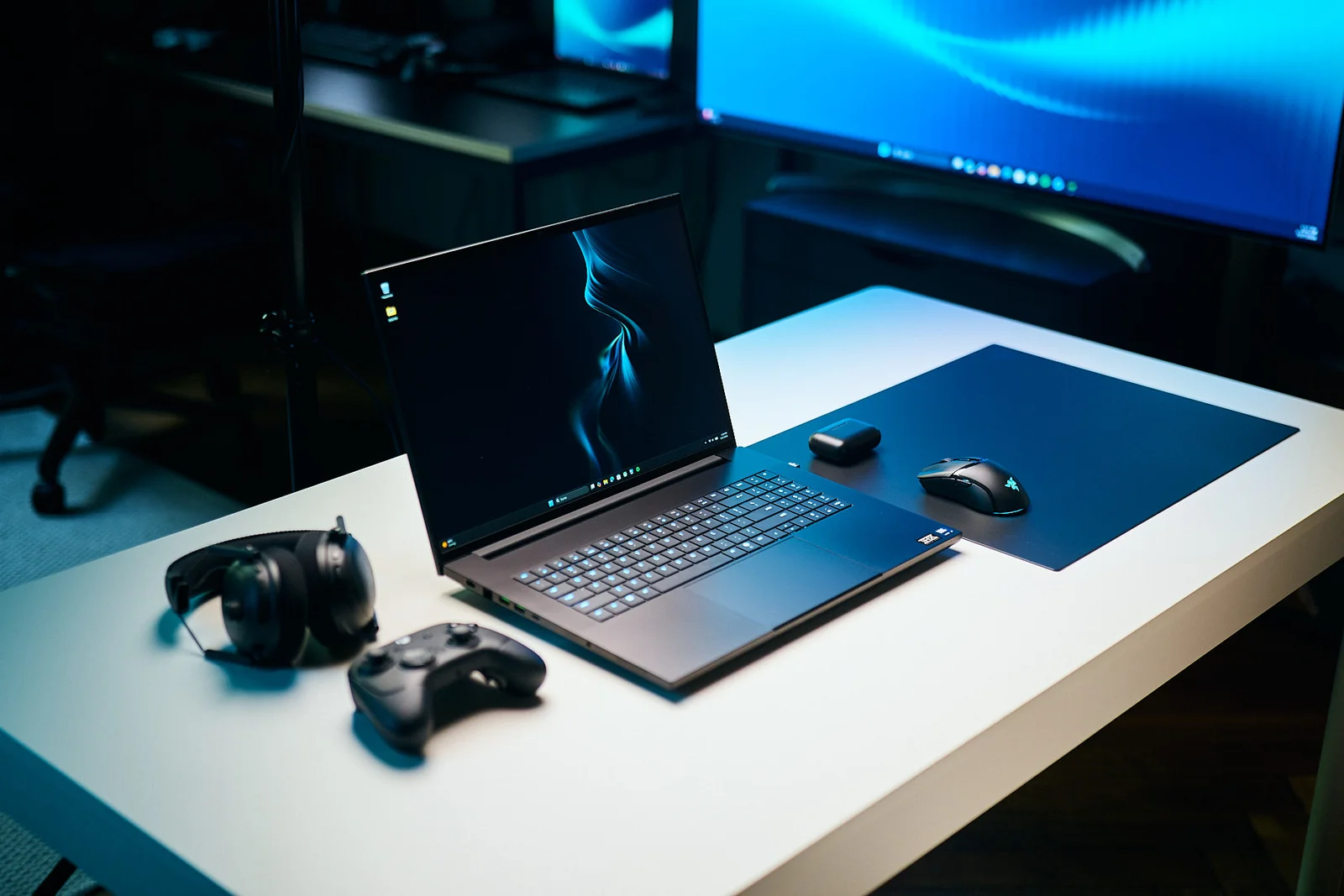
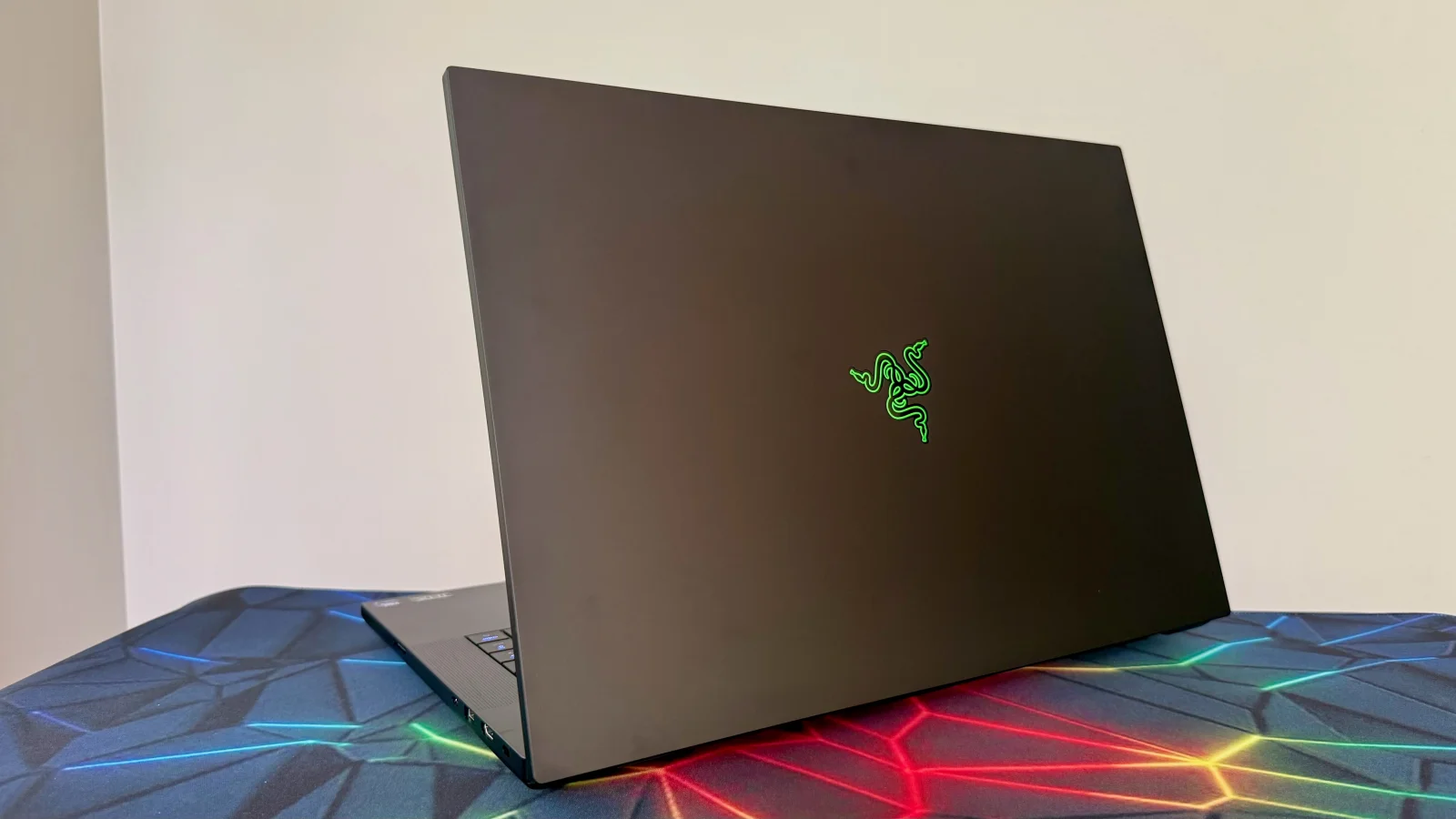
ASUS unveils the Zephyrus Duo, a 16-inch dual‑screen laptop with two 16-inch OLED touchscreens totaling 21 inches of diagonal space, 120 Hz, 0.2 ms response, and DisplayHDR True Black 1000 with up to 1100 nits brightness. It includes a detachable magnetic Bluetooth keyboard and five modes (Dual Screen, Laptop, Sharing, Book, Tent). Pre-orders are live from ASUS and Newegg starting at $4,500 for the RTX 5070Ti version and $5,500 for the RTX 5090 version, with 32GB RAM, 1TB PCIe 5.0 storage, and a 16-core Intel Core Ultra 9 386H, in a CNC-milled aluminum chassis.

ASUS ROG Equalizer Cuts RTX 5090 Cable Temps and Tightens Voltage Stability
technology1 month ago

ASUS ROG Equalizer Cuts RTX 5090 Cable Temps and Tightens Voltage Stability

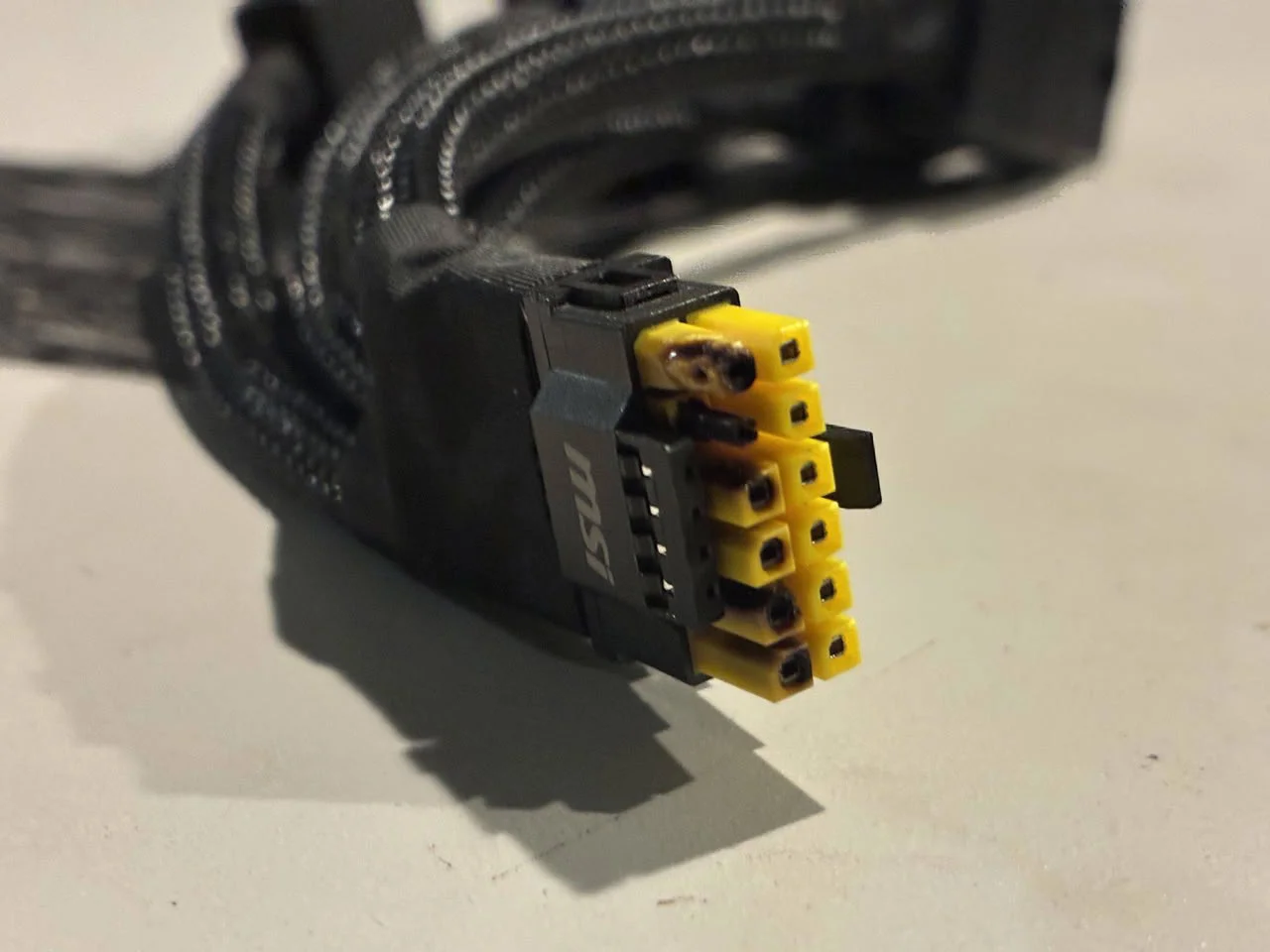
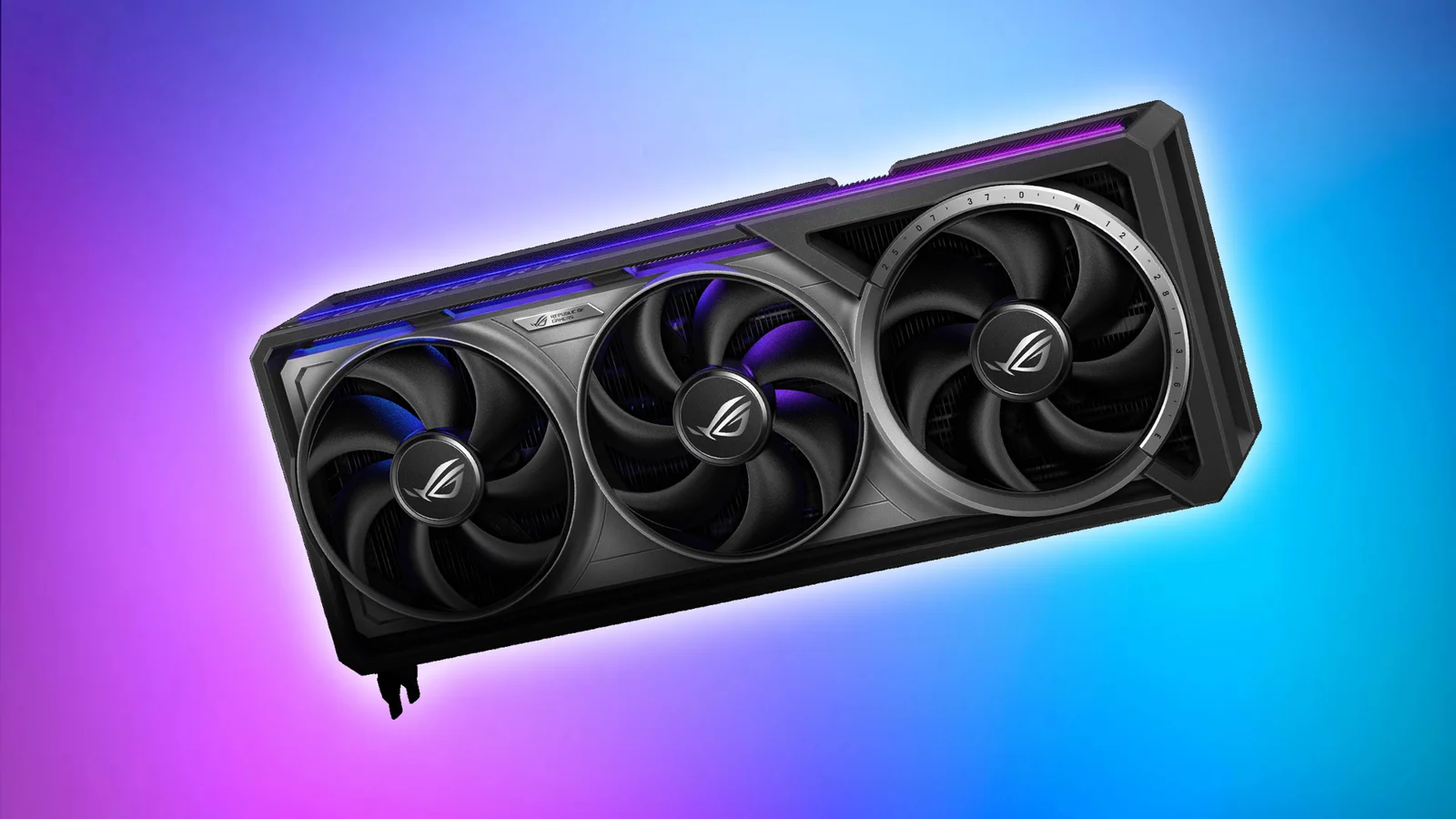
ASUS’s ROG Equalizer cable for the RTX 5090 reduces overheating and improves power delivery by balancing load across all pins, lowering under-load temperatures from about 60°C to 50°C and keeping voltages near 12V with minimal variation. The tin-plated copper wires support up to around 17A per pin versus ~9A for standard cables, boosting stability and potentially overclocking performance. Priced at roughly $15, it offers a safer, more stable power solution for RTX 5090 users.

NVIDIA Unveils Blackwell Ultra and RTX 5090 for Neural Rendering Dominance
technology9 months ago

NVIDIA Unveils Blackwell Ultra and RTX 5090 for Neural Rendering Dominance

NVIDIA's Hot Chips 2025 presentation focused on the upcoming RTX 5090 and the Blackwell architecture, emphasizing advancements in neural rendering, AI integration, and memory technology. The new architecture aims to enhance machine learning performance, efficiency, and scalability across data centers and mobile devices, with features like shader execution reordering, FP4 ML compute, GDDR7 memory, and support for simultaneous AI and graphics workloads, paving the way for more realistic graphics and AI-powered gaming experiences.