LeBron James overcame an injury-plagued start due to sciatic pain to earn a Western Conference reserve spot for his NBA-record 22nd straight All-Star appearance, continuing his remarkable run into a 23rd season.
LeBron James will miss the start of the NBA season due to sciatica and is expected to be evaluated in three to four weeks, potentially returning around late October. The Lakers' first game is against the Warriors on October 21, but James has not participated in full practices or preseason games yet.
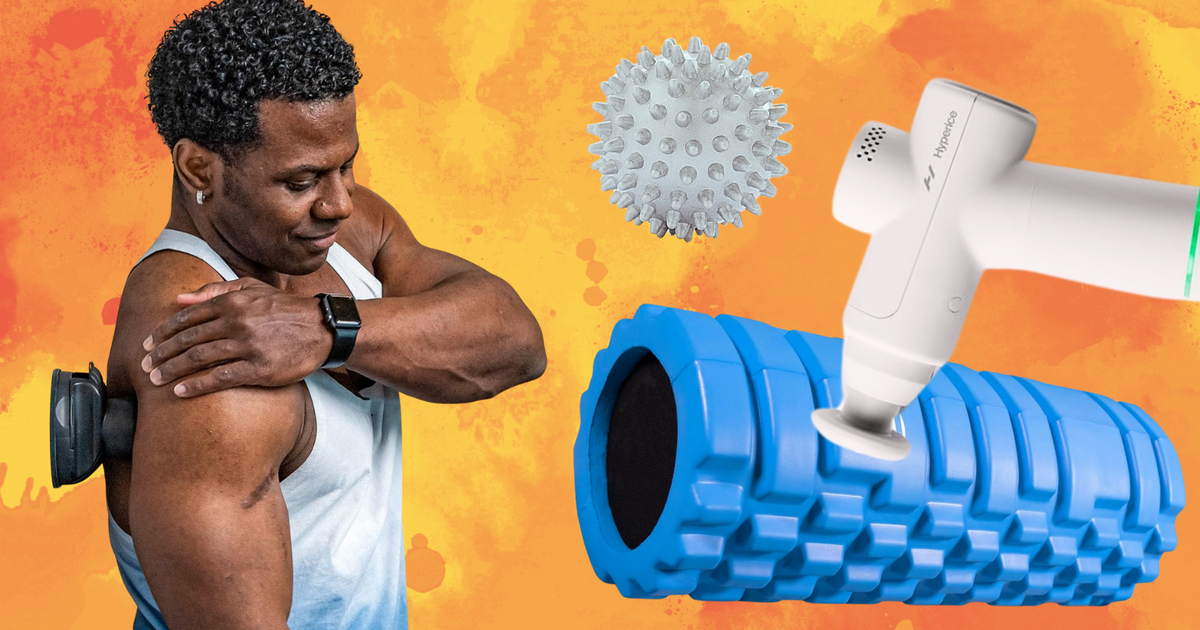
The article discusses various products that may help alleviate sciatic nerve pain, including stretching tools, supportive braces, self-massage devices, foam rollers, and exercise equipment, emphasizing the importance of consulting healthcare professionals before use.
Sciatica, a painful nerve condition, affects nearly 40% of adults and is most likely to develop between the ages of 30 and 50. Symptoms include pain that radiates from the lower back down one leg, numbness, tingling, and muscle weakness. Causes can range from herniated discs to spinal stenosis, and risk factors include extra body weight, diabetes, tobacco use, and lack of physical activity. Treatment options include rest, physical therapy, anti-inflammatory medications, ice and heat therapy, gentle stretching exercises, and alternative therapies like massage and acupuncture. Surgery is a last resort for severe cases.
Pain in the lower back, buttocks, and legs can be caused by pseudo sciatica, which mimics true sciatica but has different underlying causes such as muscle spasms or compression of the sciatic nerve by the piriformis muscle. Misdiagnosis is common, leading to improper treatment. Differentiating between true sciatica and pseudo sciatica can be challenging based on symptoms alone, but a full examination, imaging, and nerve studies can help. Traditional sciatica treatments may not be effective for pseudo sciatica, but simple exercises targeting the affected muscles can provide relief.
When experiencing sciatica pain, using both heat and ice can provide the most effective relief. Applying ice for the first 48 to 72 hours helps decrease nerve pain signaling, while heat after that helps relieve stiffness and encourages muscle relaxation. Other home remedies to soothe sciatica pain include regular physical activity, gentle stretches, nerve gliding exercises, maintaining good posture, supplementing with palmitoylethanolamide (PEA), and taking over-the-counter pain relievers. If at-home measures don't provide relief within two to three weeks, it's recommended to see a doctor for further treatment.
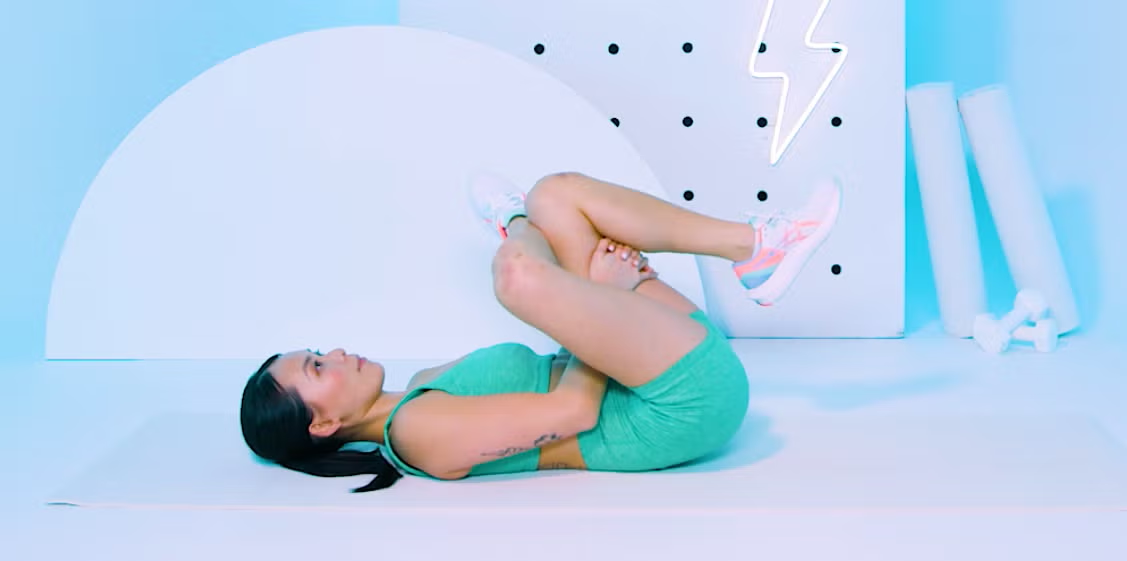
Sciatica is a condition characterized by radiating pain along the sciatic nerve, which can cause discomfort and numbness in the lower body. Stretching the glutes and hamstrings can help reduce sciatica and prevent muscle irritation. However, it's important to be cautious and consult a doctor if symptoms worsen. Nine effective stretches for sciatica relief include Cat Cow, Standing Hip Flexor Stretch, Supine Figure Four Stretch, Figure Four Seated Stretch, Half Kneeling Hip Flexor Stretch With Reach, Lying Hamstring Stretch With Band, Seated Banded Calf Stretch, Pigeon, and Standing QL Stretch. Regular stretching can decrease current discomfort, prevent future pain, improve performance, and boost strength.
A systematic review and meta-analysis of 24 randomized controlled trials found that discectomy, a surgical treatment for sciatica due to lumbar disc herniation, was superior to non-surgical treatment or epidural steroid injections in reducing leg pain and disability in the immediate and short term, but the benefits declined over time. The risk of adverse events was similar between discectomy and non-surgical treatment. The evidence supporting surgical treatment for sciatica is uncertain and guidelines recommend a stepwise model of treatment starting with non-surgical treatment.