Tag

Scientific Accuracy

All articles tagged with #scientific accuracy

Mars Is a Home, Not a Frontier: For All Mankind Season 5 Probes Culture, Conflict and Reality
entertainment1 day ago

Mars Is a Home, Not a Frontier: For All Mankind Season 5 Probes Culture, Conflict and Reality

Season 5 of Apple TV+’s For All Mankind shifts the focus to Happy Valley, the Mars colony, two decades after its founding, exploring how Martian residents build a distinct culture with self-sufficiency (crops, distilleries, lab-grown meat) and how Earth–Mars tensions mirror colonial history. The show’s creators stress aiming for scientific accuracy, tie in real-life space developments, and expand a younger generation of characters, with the series slated to conclude with season 6.


Vibe Physics: The Epitome of AI Slop
science8 months ago

Vibe Physics: The Epitome of AI Slop

The article criticizes the overhyped confidence in AI, especially large language models, in understanding and advancing physics, highlighting their inability to discover fundamental laws or create valid scientific theories, and warns against mistaking pattern recognition for genuine understanding, which can lead to misconceptions and the spread of 'AI slop' in scientific discussions.

Dinosaurs Didn't Roar: Debunking Jurassic Park's Sound Myth
science1 year ago

Dinosaurs Didn't Roar: Debunking Jurassic Park's Sound Myth

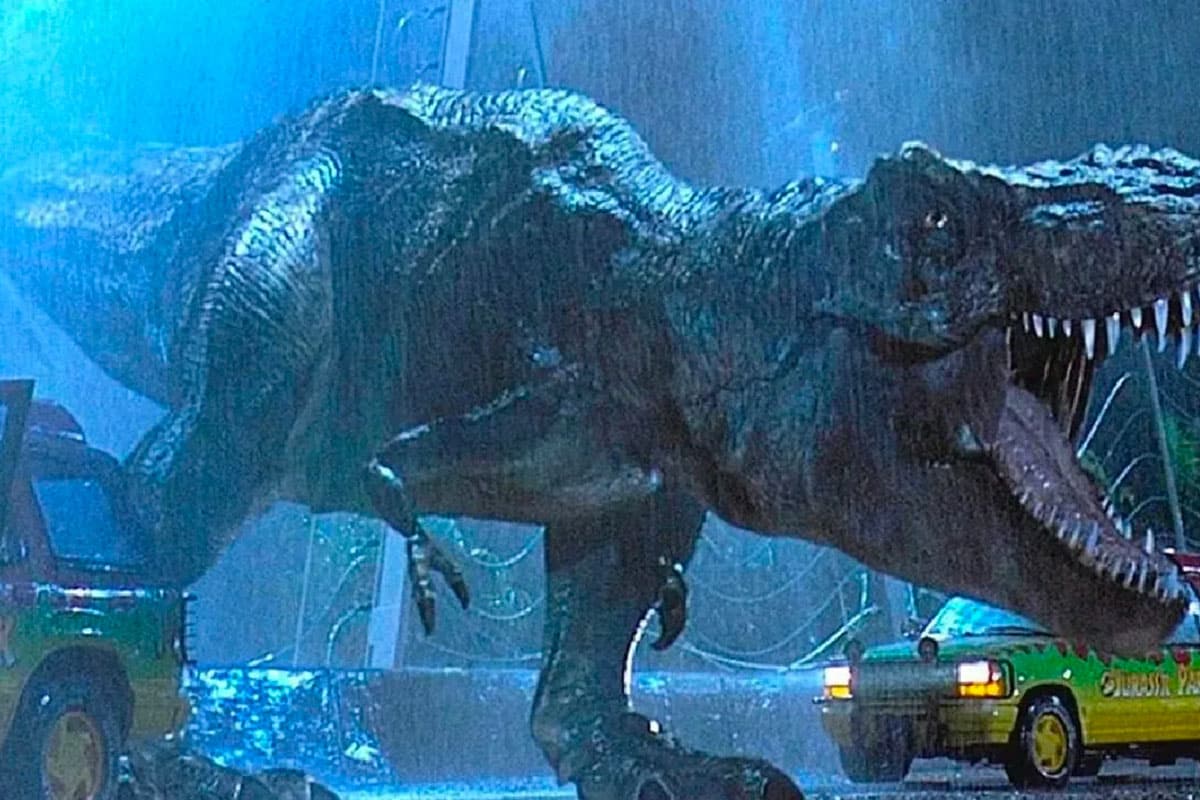
Recent scientific research suggests that the iconic dinosaur roars from Jurassic Park are inaccurate, as dinosaurs likely made low-frequency sounds similar to modern crocodiles or ostriches. The film's sound designers used a mix of animal noises to create the memorable but scientifically incorrect vocalizations. This new understanding challenges long-held perceptions and may influence future media portrayals of dinosaurs to be more scientifically accurate.

"Rethinking Astronomy: The Quest for Beautiful, Inclusive, and Non-Triggering Language"
science2 years ago

"Rethinking Astronomy: The Quest for Beautiful, Inclusive, and Non-Triggering Language"

An op-ed in Scientific American proposes policing the language of astronomy to make it "beautiful and elegant," as well as "inclusive" and non-triggering, suggesting that terms used in astronomy are violent, sexist, and triggering. The author, Juan Madrid, argues for replacing terms like "collision" with "galactic hug" and criticizes language such as "strangulation" and "starvation" for being non-inclusive and triggering. However, the article has been criticized for lacking evidence and focusing on words rather than scientific accuracy, with the author's claims of language exclusion in astronomy being deemed laughable.

Newton's First Law: A 300-Year Mistranslation Unveiled
science2 years ago

Newton's First Law: A 300-Year Mistranslation Unveiled

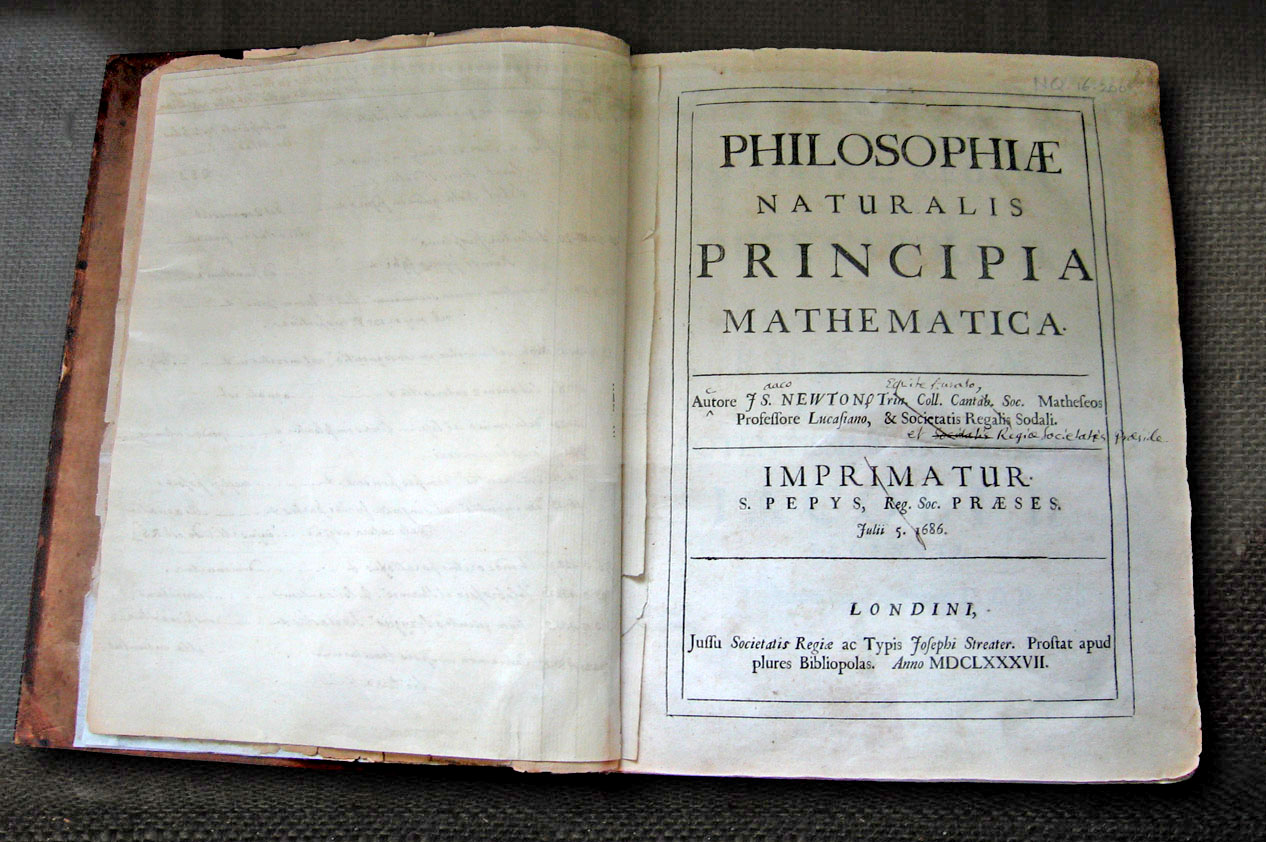
A recent paper argues that Newton's First Law of Motion has been based on a mistranslation of the original Latin text for nearly 300 years. The English translation by Andrew Motte in 1729 defined what Newton's Laws of Motion said for generations. However, a more accurate translation reveals that the law should state that every body perseveres in its state of being at rest or moving uniformly straight forward, except when compelled to change by external forces. This corrected translation has significant implications for the law's effects and challenges the need for the First Law itself. The discovery highlights the importance of scientific accuracy and the complexity of translating precise wording between different languages.