New Study Identifies Previously Unknown Layer of Human Genetic History
Researchers have identified a new layer of the human genome, revealing previously unknown genetic components that provide deeper insights into human evolution and ancestry.

All articles tagged with #ancestry
Researchers have identified a new layer of the human genome, revealing previously unknown genetic components that provide deeper insights into human evolution and ancestry.
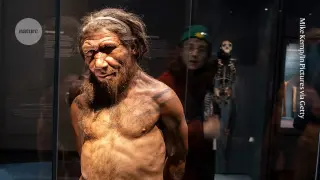
A study published in Current Biology identifies two amino-acid changes in the growth hormone receptor inherited from Neanderthals that contribute to taller stature and greater muscle mass in modern humans. These variants, which entered human populations through interbreeding approximately 47,000 years ago, are prevalent in South and East Asian populations but rare in Europeans and absent in sub-Saharan Africans. Experimental data from mouse cells and large-scale human biobank analyses confirm that carriers of this ancient genetic variant exhibit measurable physical differences compared to non-carriers.
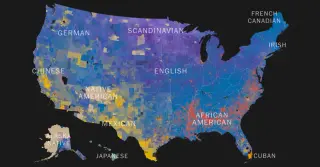
NYT’s interactive map uses the Census Bureau’s 2019–2024 American Community Survey to show how Americans identify their ancestry across the country. Tap any area to see the blend of origins, with colors representing mixed ancestries. Data allow multiple ancestries and percentages may not sum to 100, with figures rounded; read more for full context.

Canadian Prime Minister Mark Carney travels to County Mayo on the second day of his state visit to Ireland to connect with his Irish roots, meet relatives in Aughagower, attend Mass, and visit a family graveyard; he is also set to meet Irish President Catherine Connolly as part of the first Canadian PM bilateral visit to Ireland since 2017.

A large-scale whole-genome study of over 3,200 Japanese individuals uncovers a previously hidden third ancestral group linked to the Emishi in northeastern Japan, supporting a tripartite origin for modern Japan and revealing persistent Neanderthal and Denisovan DNA with potential health implications.

Two UK twins, Lavinia and Michelle, discover they share a womb but have different fathers due to heteropaternal superfecundation after taking Ancestry DNA tests—a rare finding that reshapes their identities, leads Lavinia to meet her biological dad Arthur Moon Foot, and brings Michelle into a wider network of half-siblings. The piece follows their difficult upbringing, the emotional fallout of the revelations, and how casual home DNA testing is increasingly exposing hidden family histories.

Two British twins, Michelle and Lavinia Osbourne, learned via Ancestry DNA testing that they have different biological fathers—a phenomenon called heteropaternal superfecundation that is extremely rare, with only about 20 cases documented worldwide and none previously in British history; the sisters say the discovery doesn’t alter their close bond as they continue to live in England.
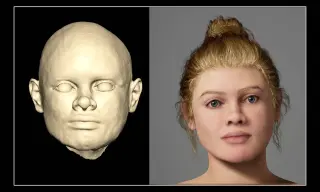
DNA analysis of the Beachy Head Woman, a Roman-era skeleton found near Beachy Head, shows she was likely local to the Roman Britain population, revising earlier guesses of Sub-Saharan African or Mediterranean ancestry; improved DNA techniques also updated her facial reconstruction to reflect light skin, blue eyes, and fair hair, placing her life along the Roman coastal landscape (129–311 AD) and underscoring how genetics can revise archaeological narratives.
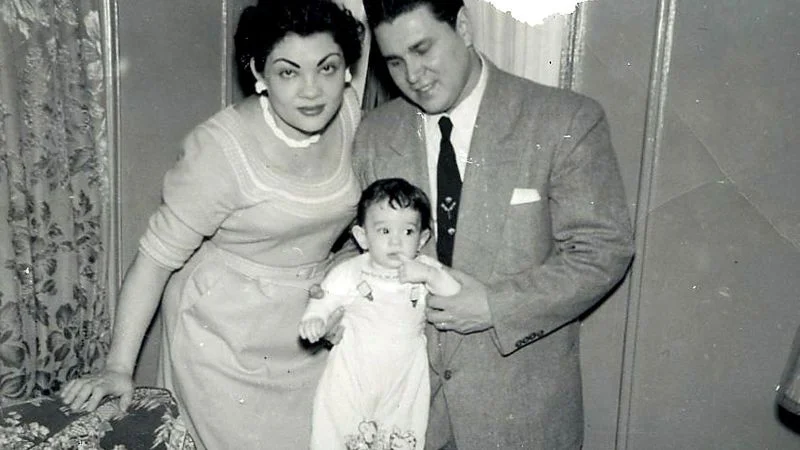
Nine Supreme Court justices will decide whether birthright citizenship under the Fourteenth Amendment endures after President Trump's 2025 executive order to end automatic citizenship for children born to undocumented immigrants or people in the U.S. on temporary visas; lower courts have blocked the measure. The piece also traces each justice's ancestry—from Roberts' English and Slovak roots to Sotomayor's Puerto Rican heritage and Jackson's enslaved-African lineage—showing how personal histories intersect with this defining constitutional question.
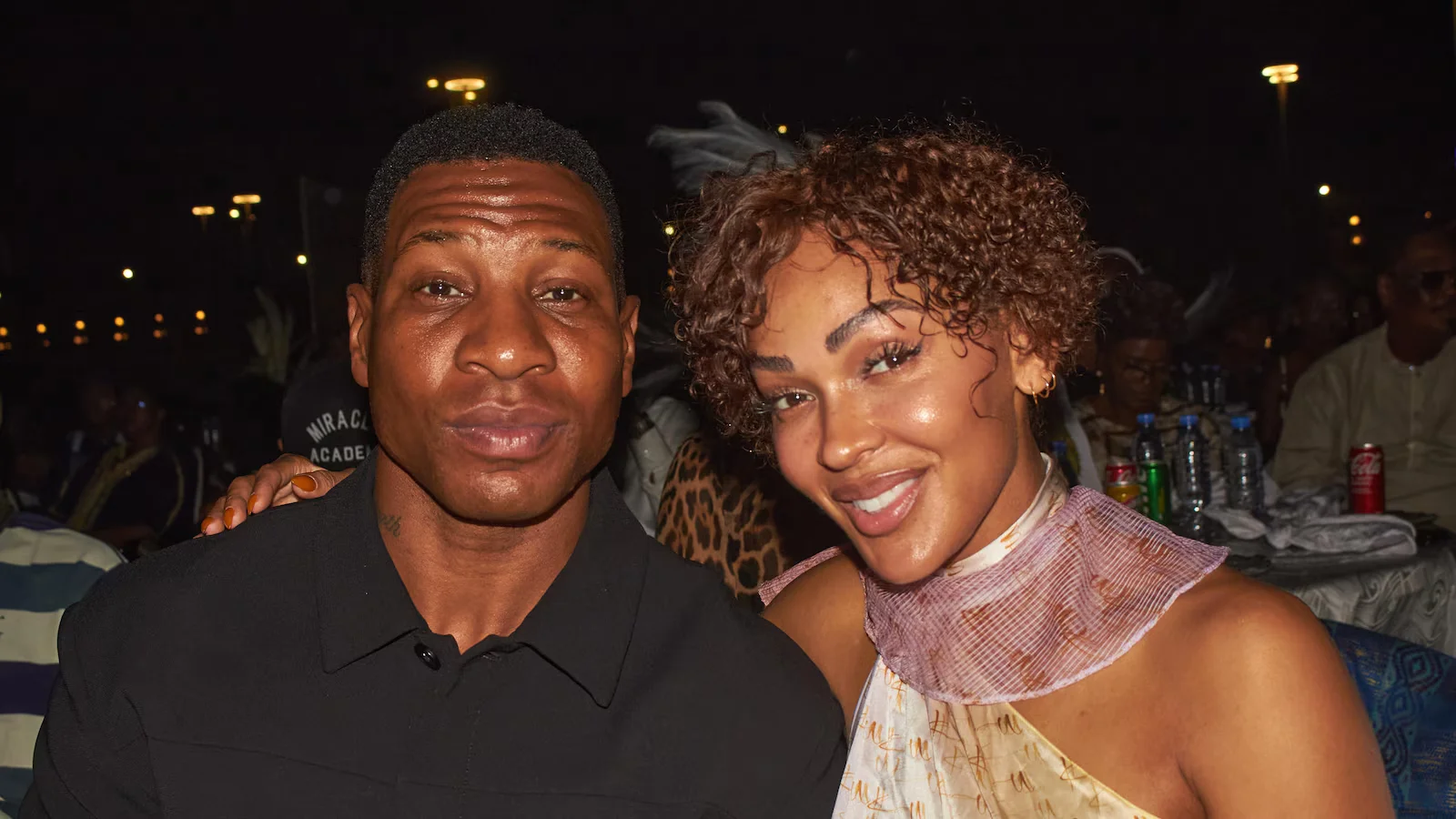
Hollywood actors Meagan Good and Jonathan Majors received Guinean citizenship after tracing their ancestry to Guinea through DNA testing, and were celebrated in a private ceremony in Conakry, highlighting Guinea's recognition of descendants of enslaved Africans.
Genetic ancestry tests from companies like 23andMe and Ancestry.com often oversimplify or distort human history, relying on arbitrary reference populations and statistical approximations that do not accurately reflect individual lineage or the complex, interconnected nature of human migration and genetic diversity.
A large U.S. study shows that people's self-identified racial and ethnic categories do not accurately reflect their genetic ancestries, highlighting the complexity of genetic diversity and the limitations of using race and ethnicity as proxies in genetic research and personalized medicine.
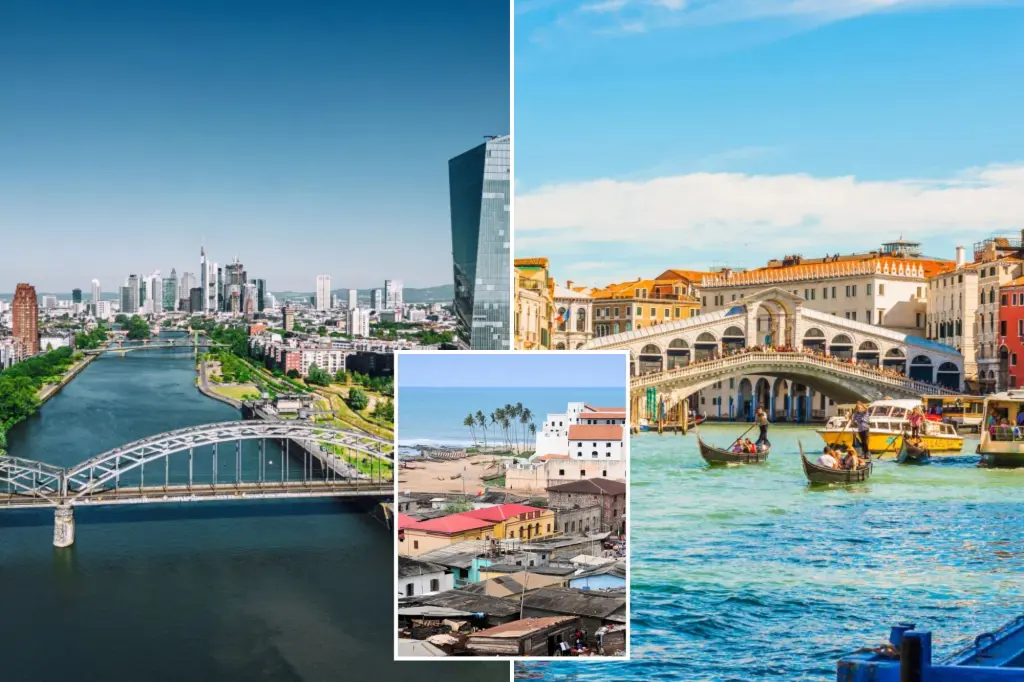
Following the 2024 presidential election, many Americans, including celebrities, are considering leaving the U.S. and exploring dual citizenship options. Nine countries—Ghana, Germany, Hungary, India, Ireland, Italy, Poland, Portugal, and Spain—offer pathways to citizenship based on ancestry, allowing individuals to claim nationality through parents, grandparents, or direct ancestors. These countries provide various benefits and requirements for those seeking to reconnect with their heritage or obtain a second passport.

Scientists have discovered that all blue-eyed people are descendants of a single human who lived between 6,000 and 10,000 years ago. This genetic mutation, found in the HERC2 gene, switches off the OCA2 gene responsible for brown eye pigment, resulting in blue eyes. The mutation likely spread as humans migrated from Africa to Europe.
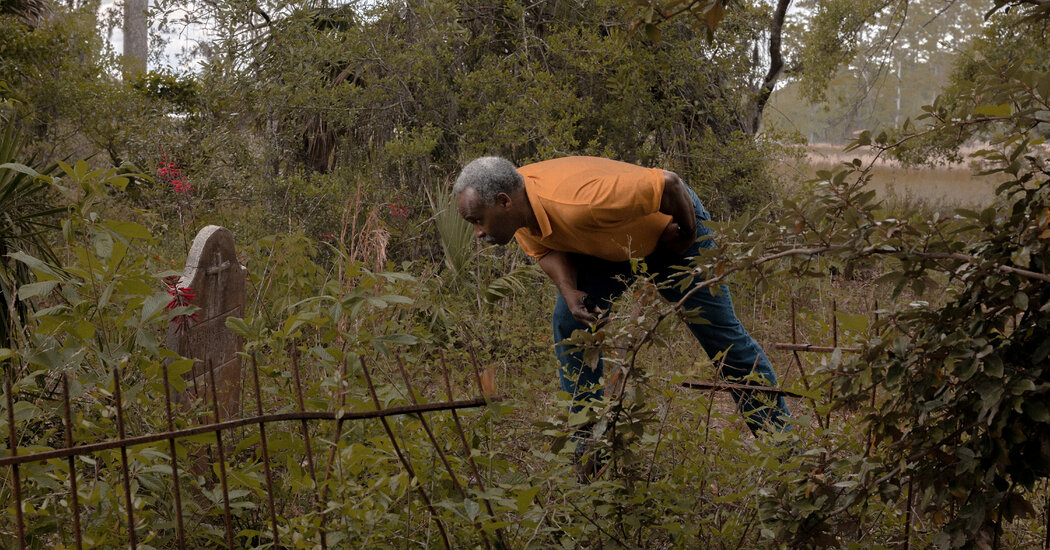
In Charleston, S.C., a project to collect DNA from Black residents has evolved into a search for living descendants of 36 enslaved people whose bones were discovered by a construction crew. Despite initial skepticism due to historical exploitation, participants like Edward Lee have been swabbed for DNA, hoping to uncover clues about their ancestry and history. The project aims to provide Black residents with new insights into their heritage and connections to the region's history of slavery.