
Tag

Seabed

All articles tagged with #seabed

Unveiling the Alarming Reality: Thawing Frozen Methane Poses Deep Ocean Threat
environment2 years ago

Unveiling the Alarming Reality: Thawing Frozen Methane Poses Deep Ocean Threat

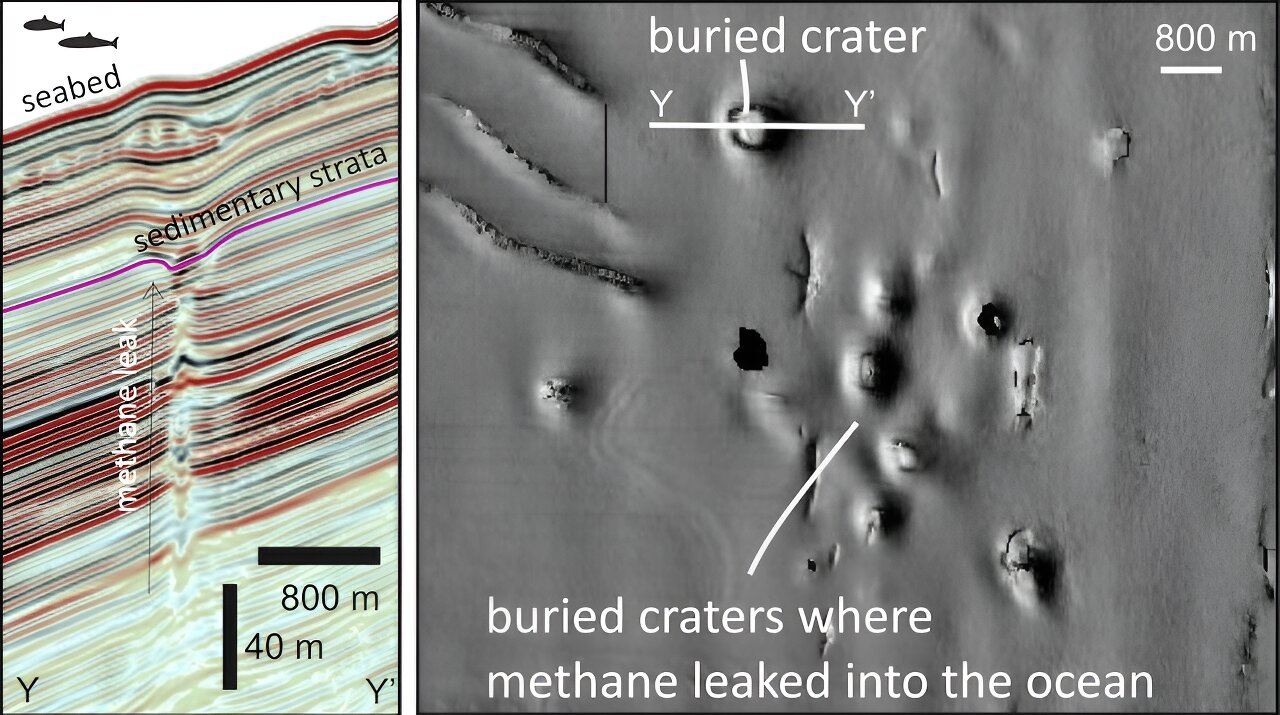
Researchers have found that frozen methane hydrate, a naturally occurring form of methane and water under the seabed, is thawing as the oceans warm. This release of methane, a potent greenhouse gas, could contribute to further climate warming and ocean acidification. The amount of methane hydrate vulnerable to warming is greater than previously thought, with the potential to release as much carbon as all remaining oil and gas reserves on Earth. Seismic imaging has revealed evidence of methane migration and the formation of large craters on the ancient seabed, indicating the release of methane during past warming periods. As the planet continues to warm, methane from the deep ocean may escape into the oceans, posing a significant environmental concern.

The Alarming Reality of Thawing Methane in Deep Ocean Waters
climate-change2 years ago

The Alarming Reality of Thawing Methane in Deep Ocean Waters

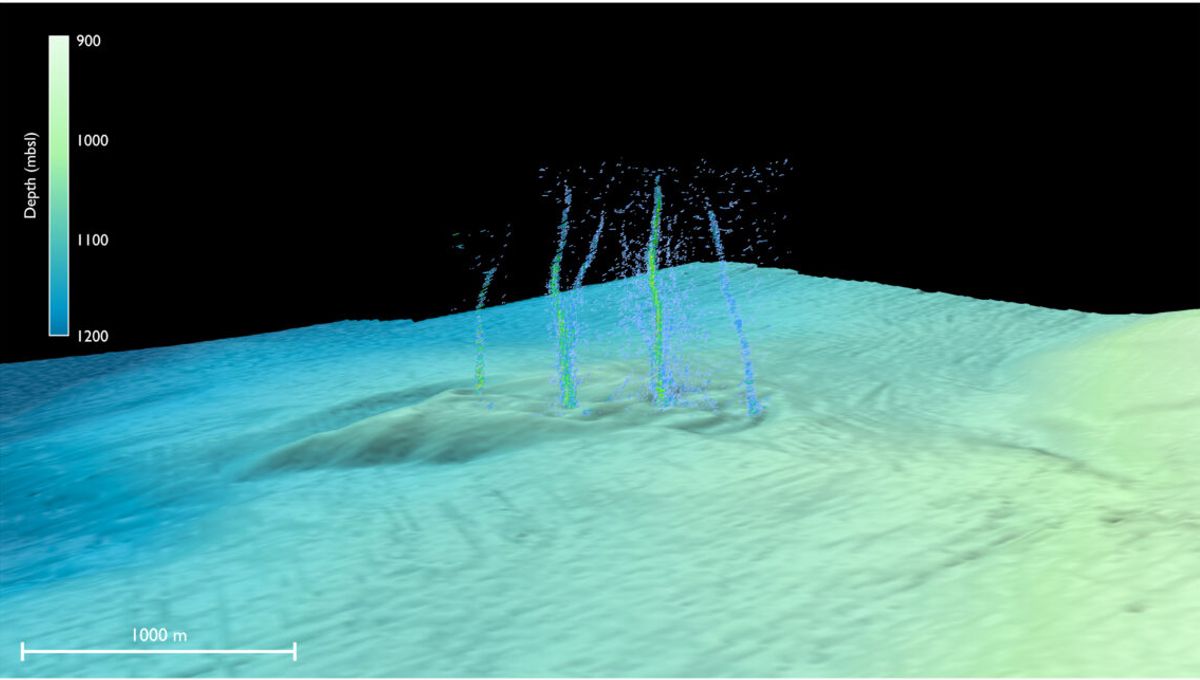
The thawing of frozen methane hydrate under the seabed, caused by warming oceans, is a greater concern than previously thought, as it could release significant amounts of methane, a potent greenhouse gas, into the ocean and atmosphere. The release of methane from similar hydrate reservoirs in the past has been linked to severe climate changes. Recent research using 3D seismic imaging has revealed evidence of methane migration and venting in deep ocean sediments, suggesting that more hydrate is vulnerable to warming than previously believed. This poses a risk of further ocean acidification and climate warming.

Seabed Lubricant Leak Raises Risk of Massive Earthquake.
science3 years ago

Seabed Lubricant Leak Raises Risk of Massive Earthquake.

A strange warm liquid, chemically distinct from the surrounding water, is gushing out of Pythia's Oasis near the coast of Oregon, which scientists suspect could provide some hints about earthquake activity in the Pacific Northwest. The liquid is around 9°C warmer than the background temperature and contains extreme amounts of boron and lithium, but notably less chloride, potassium, and magnesium. The team suspects that this liquid plays a role in the ever-shifting tectonic activity of Earth, acting as a lubricant, reducing friction between the plates, and allowing them to glide gently against one another. However, leaking lubricant could be a concerning sign that tension between the plates is increasing, upping the potential for an earthquake to occur.