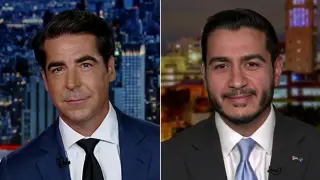
Michigan Democrat Abdul El-Sayed fired back at JD Vance’s critique of a jab about the vice president’s wife, accusing Vance and Trump of using divisive, anti-diversity rhetoric while urging a shift toward addressing real American concerns and holding leaders to account.
Michigan Senate candidate Abdul El-Sayed compared Sharia law to Catholic canon law during Fox News’ Jesse Watters Primetime, saying no one is trying to push Sharia law while sparking online backlash from conservatives who argued Sharia is a broader system and not comparable to canon law; El-Sayed emphasized religious freedom and drew a contrast with Western legal traditions, adding renewed scrutiny of his views in the Michigan race.
Michigan Democratic Senate candidate Abdul El-Sayed clashed with Fox News host Jesse Watters in a tense interview, defending his proposal to abolish ICE and arguing for limited government involvement in medical decisions like gender-confirming surgery, drawing a parallel between Sharia law and canon law while emphasizing religious freedom. He urged a broader, non-aggressive discussion of reparations, described GOP opponent Mike Rogers as a “beta,” and addressed topics from NFL ticket prices to healthcare vs. gun rights, ultimately saying sports decisions should be governed by sports authorities and noting that he supports Colin Kaepernick while avoiding a direct stance on whether the NFL is racist; both candidates agreed to a debate on Oct. 8.
A BBC World Service investigation offers a rare look at life under the Taliban in Afghanistan, centering on a young woman's divorce case and interviews with former fighters-turned-officials to show continued restrictions on women's education, work and mobility, the use of Sharia in governance, a smartphone ban for officials, and widespread poverty five years after the Taliban returned, with limited Western influence.
Michigan Democrat Abdul El-Sayed publicly pushed back at JD Vance’s attack over his past comments on Sharia law, saying Vance’s framing implies some Americans are more American than others. El-Sayed argued the critique distorts his remarks and urged focusing on issues, noting his immigrant background and a slim lead over Mike Rogers in a recent AARP poll.
At a Dearborn, Michigan city council meeting, Pastor Lorenzo Sewell of 180 Church claimed the city is “under Sharia law” and denounced Muslim influence, a flare-up tied to broader anti-Islam protests; he and allies pointed to a recent assault on activist Jake Lang as evidence, while officials including Mayor Abdullah Hammoud pushed back, saying Dearborn is governed by American law and welcomes all faiths. Police arrested at least one person in connection with the Lang incident as tensions over religion persisted in the city, which has a large Arab population.
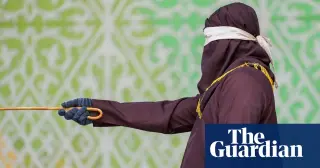
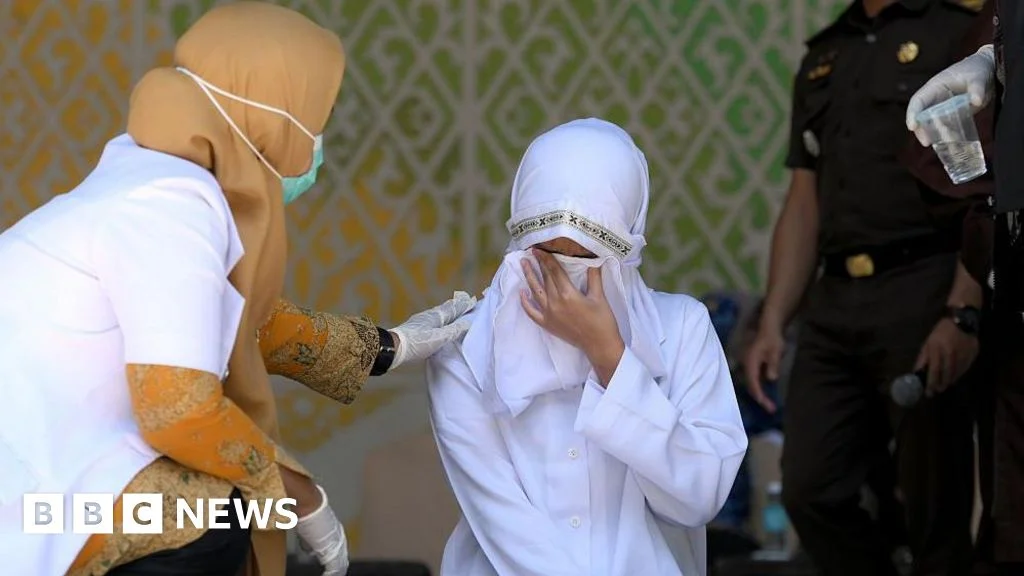
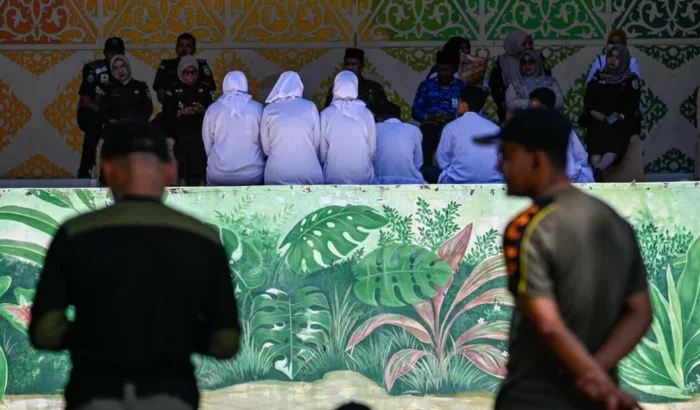
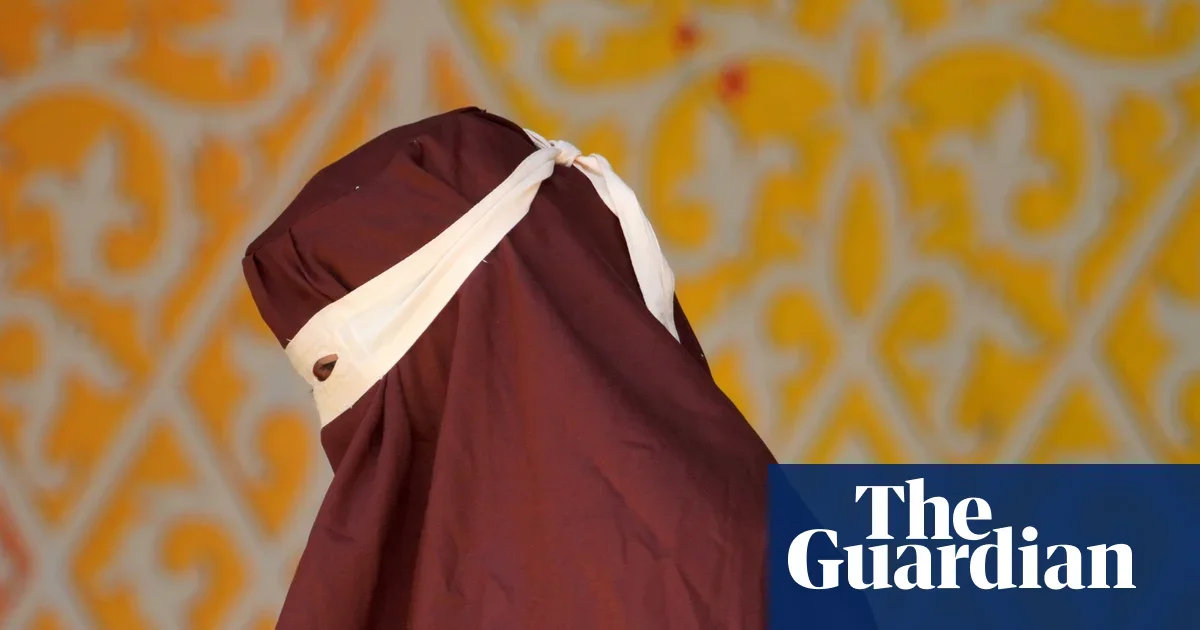
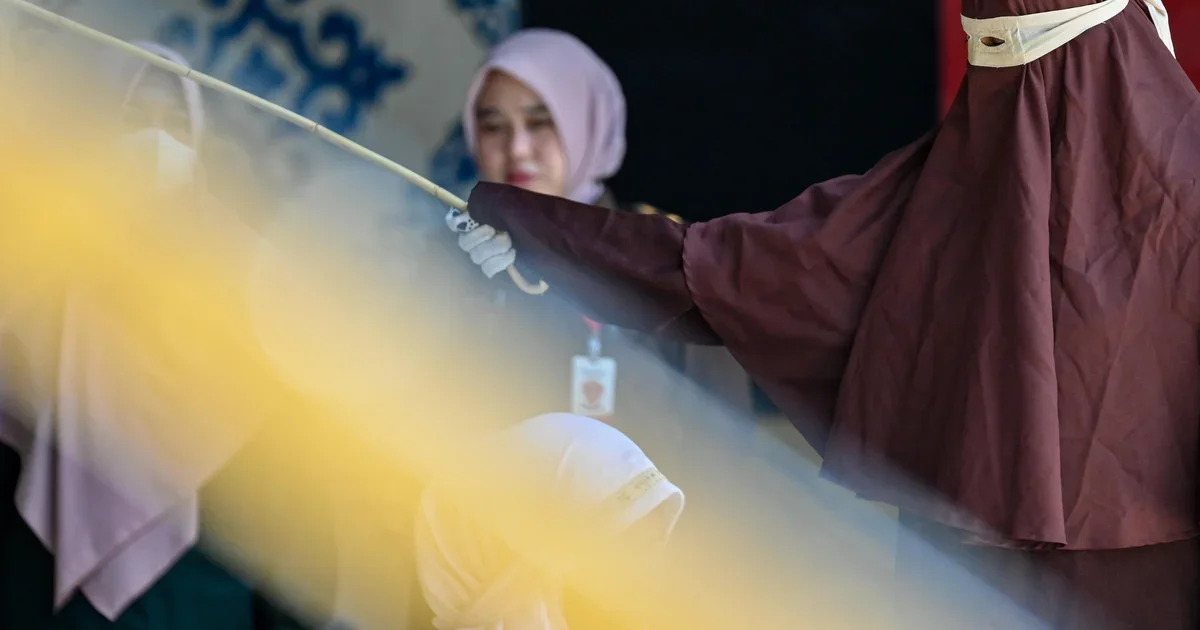
In Banda Aceh, Indonesia, a 22-year-old man and a 25-year-old woman were publicly caned 21 lashes each after allegedly kissing during a TikTok livestream, a punishment under Aceh's Sharia-based morality code; their four-month detention preceded the sentence, which was reduced from 25 lashes, and authorities confiscated a cellphone and USB containing the video; human rights groups criticize the public caning, while officials defend it as a deterrent; Aceh is the only Indonesian province enforcing its own Islamic criminal code, with moral offenses that can carry up to 100 lashes.
In Aceh, Indonesia’s only province enforcing Sharia law, a 22-year-old man and a 25-year-old woman were publicly caned 21 times each for kissing during a TikTok livestream, with about 100 witnesses; the sentence was reduced from 25 lashes after four months in prison, and evidence from the livestream was seized for destruction. Four other people were caned for online gambling and adultery. Amnesty International condemned the punishment as cruel and a human rights violation, highlighting concerns over penalizing social media activity under religious law.
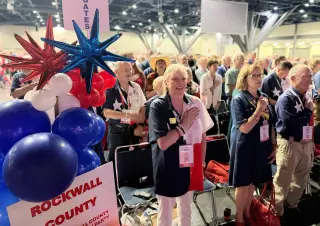
A Muslim Texan attendee at the Texas GOP convention left in tears after being told to convert or leave amid anti-Sharia rhetoric and Islamophobic comments within the party, including scrutiny of CAIR ties; the incident highlighted tensions over inclusion and faith and prompted procedural tweaks for future conventions.
At Texas's biennial Republican convention, delegates advanced a more extreme draft platform—pushing bans on Sharia law, hard-line immigration measures, H-1B visa reforms, and other conservative priorities—reflecting Texas's growing influence on national Republican policy and a strategy to enforce party priorities during the upcoming legislative session.
At a House Republican policy retreat, Speaker Mike Johnson said he discussed tone with two members who posted anti-Muslim remarks but defended opposing “the imposition of Sharia law,” stressing that the issue is not Muslims but those attempting to impose a different belief system in conflict with the Constitution. He said he regrets the wording, not the sentiment, and emphasized respect for beliefs while warning against assimilation challenges. The retreat also covers topics like a potential 18‑month extension of Section 702 surveillance and Trump-backed election legislation, underscoring ongoing internal GOP debates.
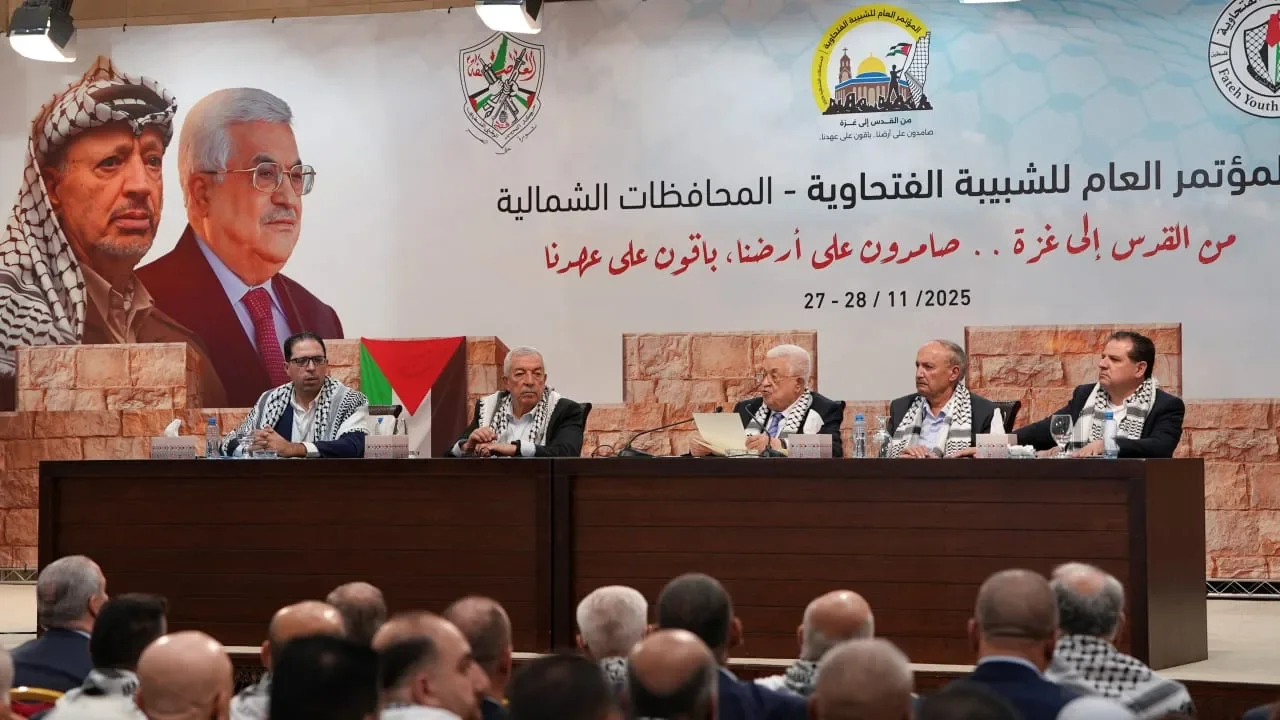
Palestinian Authority President Mahmoud Abbas published a draft constitution for a future Palestinian state, establishing Islam as the official religion with Sharia as the primary source of legislation and designating Jerusalem as the capital and religious center while omitting any direct reference to Judaism. The draft reaffirms the PLO as the sole legitimate representative, guarantees the right of return for refugees, and includes provisions to care for families of martyrs, prisoners, and exiles (the pay-for-slay policy). It sets a civil-overseen security framework, bans non-government militias, imposes two five-year presidential terms with nationality/age restrictions, and envisions a Palestinian Monetary Authority. Public comment is invited for 60 days; Macron had offered to help, and Hamas criticized the draft as a rights violation.
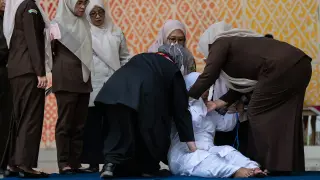
In Aceh, Indonesia, a 21-year-old woman was publicly caned 140 times—100 for sex outside marriage and 40 for drinking alcohol—marking a record number of blows in a session where three female officers took turns delivering the strokes; she fainted and was carried offstage. Four others, including an Islamic police officer, were also punished for Sharia violations. Aceh enforces Sharia with public canings, a practice criticized by rights groups for its cruelties and lack of adequate safeguards.
In Aceh, Indonesia’s only province enforcing Sharia law, an unmarried couple were caned 140 times each for sex and drinking, with reports that the woman fainted during the punishment, highlighting ongoing international concern over corporal punishment.
Two people in Aceh, Indonesia, were publicly flogged a total of 140 lashes (100 for sex outside marriage and 40 for alcohol); the woman fainted during the punishment, highlighting the severity of Aceh's Sharia penalties and drawing scrutiny of enforcement.