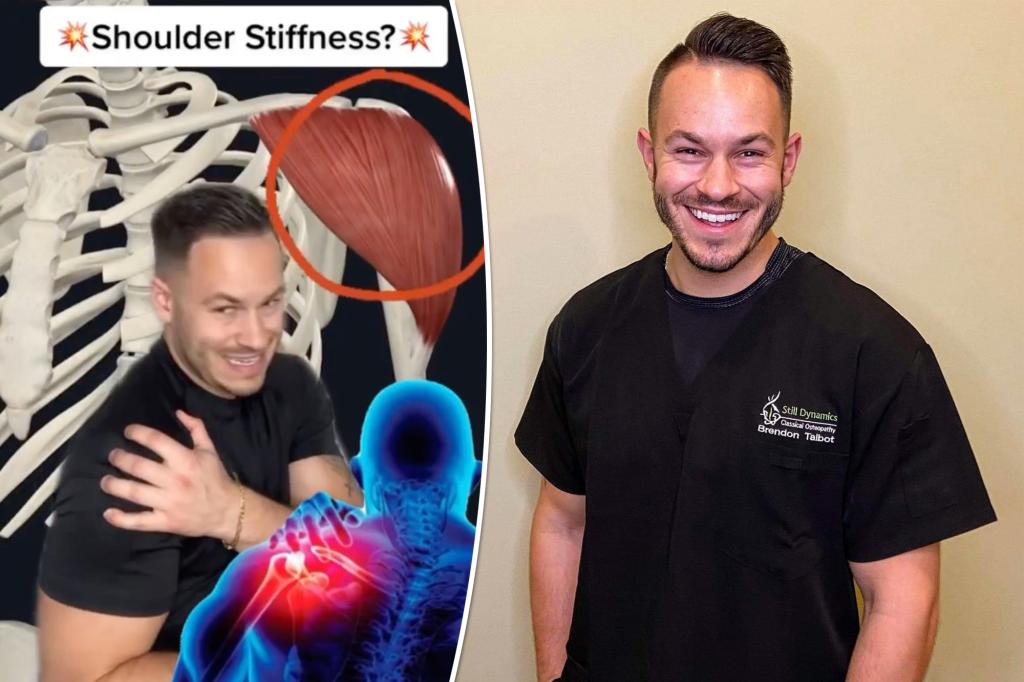
Frozen Shoulder: Why midlife women are more affected and how to act
A condition known as frozen shoulder (adhesive capsulitis) disproportionately affects women in midlife, often around perimenopause and menopause, due to hormonal changes that can affect connective tissue. It presents as persistent shoulder pain, night discomfort, and progressive loss of motion, making daily tasks difficult. The condition unfolds in three stages—freezing, frozen, and thawing—usually lasting 1–2 years. Treatment emphasizes early evaluation, physical therapy, anti-inflammatory medications, corticosteroid injections, and home strategies like gentle stretches, heat/ice, and sleep-position adjustments, with emphasis on not simply assuming shoulder pain is part of aging.