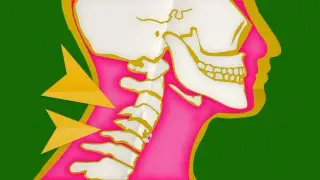
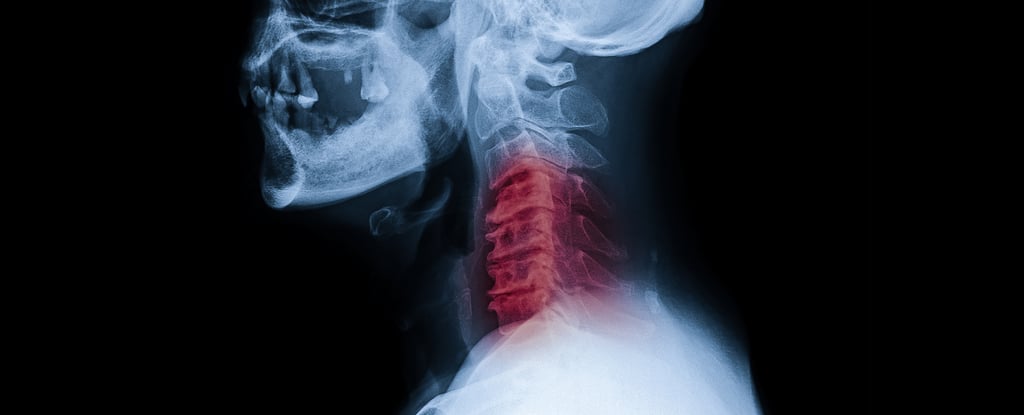
Modern screen usage increases the mechanical load on the neck from 12 pounds to 60 pounds, causing widespread pain. A London spinal neurosurgeon recommends five specific exercises and movement breaks to strengthen neck flexors and correct forward-head posture.
Elevating your upper body can alleviate acid reflux and snoring, but improper positioning causes neck pain. Experts recommend a 10-30 degree incline using wedge pillows or bed risers rather than stacking standard pillows, which forces the neck into a harmful flexed position.
A new study finds women with macromastia have higher rates of chronic migraine, neck pain, and sleep apnea. Researchers suggest mechanical strain may link breast size to these conditions, though more evidence is needed.
A new study finds that women with abnormally large breasts (macromastia) face significantly higher risks of chronic migraines, neck pain, sleep apnea, and spinal nerve compression. While macromastia is often viewed as a cosmetic issue, the research suggests it may contribute to broader neurological and musculoskeletal health problems. The findings highlight the need for more comprehensive medical evaluations for women with this condition.
A new study reveals that women with macromastia, a condition involving abnormally large breasts relative to their frame, face significantly higher risks of chronic migraines, obstructive sleep apnea, and cervical radiculopathy. Researchers found that these women were 40% more likely to suffer from chronic migraines and nearly 50% more likely to experience sleep apnea compared to those without the condition. While neck pain and backaches are commonly associated with larger breast size, the neurological connections were less anticipated. The study, which analyzed health records of 687 women treated at headache and neurology clinics, suggests that macromastia may impact broader health aspects beyond cosmetic concerns. Lead author Kristyn Pocock emphasized the need for comprehensive evaluations to address these symptoms. Although macromastia is common, its severe form, gigantomastia, is rare, with only about 300 documented cases globally. Treatment options include medication and surgery, with breast reduction often recommended for symptom relief. The findings highlight the importance of recognizing macromastia as a medical condition with potential neurological implications.
A 28-year-old new mom began experiencing unusual neck pain and itching after drinking wine, initially blamed on hormones. When a neck lump appeared, doctors scanned her and diagnosed stage 2 Hodgkin lymphoma in 2025. She has since started chemotherapy and is focused on her two sons as she undergoes treatment.
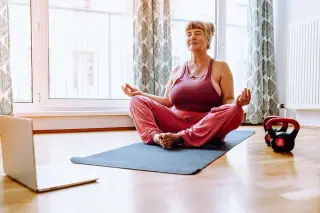
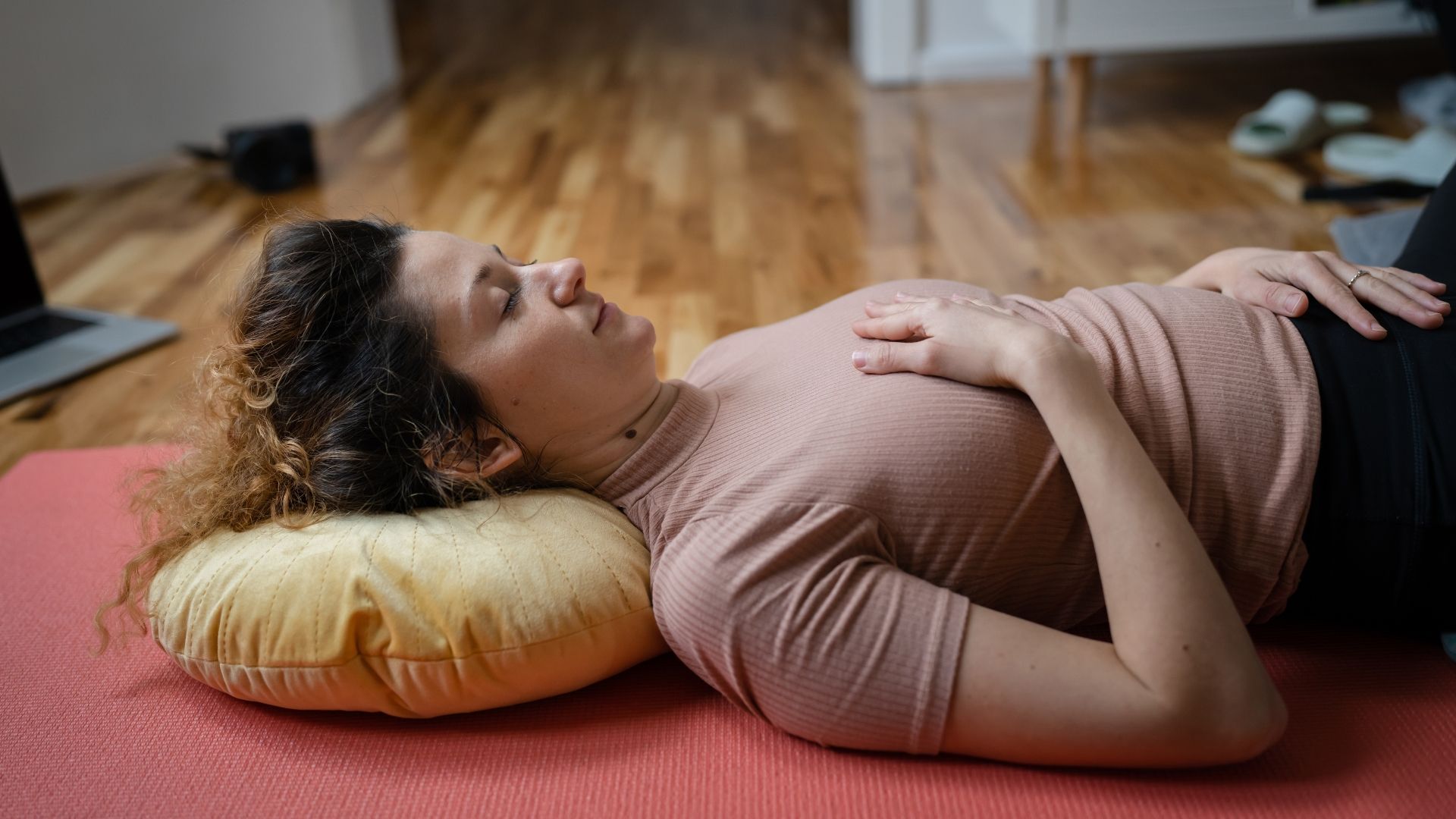
A yoga instructor shares three gentle yoga poses—supported savasana, sphinx with forehead support, and seated neck release—that can help alleviate neck discomfort caused by poor posture, stress, and modern habits like prolonged computer use, by promoting relaxation, alignment, and mobility.
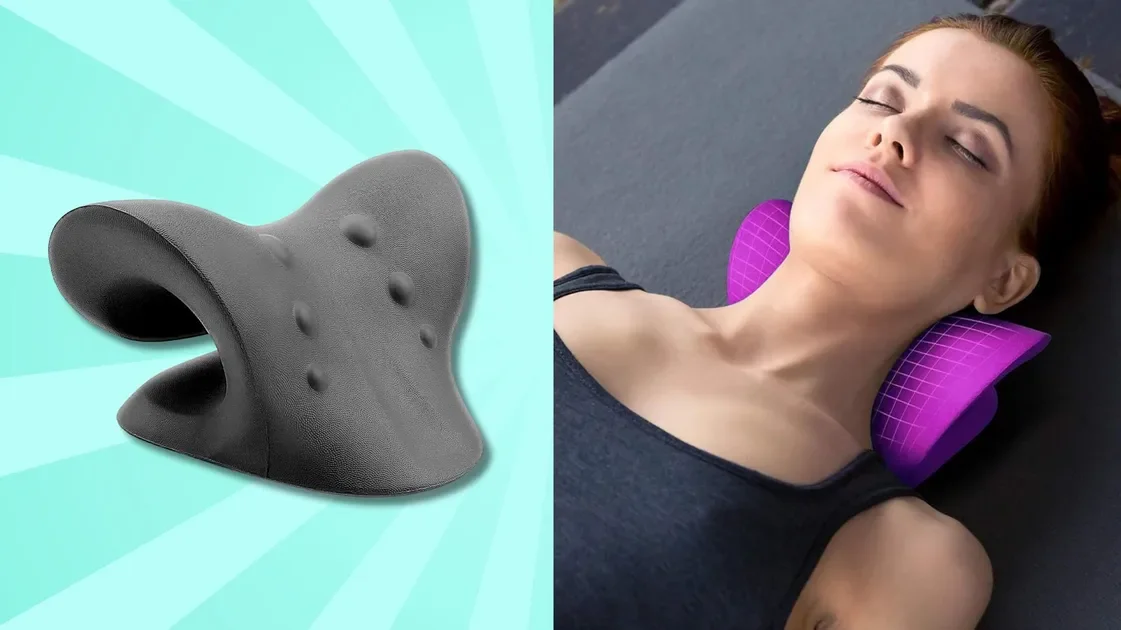
Reviewers praise the Restcloud cervical stretcher as a cost-effective, easy-to-use device that alleviates neck and shoulder tension, improves posture, and provides relief from pain and stiffness with just 10 minutes of use daily, making it a popular 'game-changer' for at-home self-care.
Adult tummy time, inspired by infant care practices, is gaining popularity as a potential way to improve posture and alleviate tech neck, but current evidence suggests it mainly increases mobility rather than fixing posture or reducing pain. Experts emphasize that posture is dynamic and that movement and exercise are more effective for managing neck and back health than trying to maintain a perfect stance.
Len Barchanowicz, a 45-year-old mailman, initially thought he had a pinched nerve in his neck, but it turned out to be a rare thymoma, a type of cancer of the thymus gland. After experiencing chest pain and difficulty breathing, he was diagnosed with an orange-sized mass in his chest. Following surgery to remove the tumor, he is now in recovery and will undergo regular check-ups. His family hopes to raise awareness about thymoma and provide support to others facing similar challenges.
Len Barchanowicz, 45, initially thought he had a pinched nerve in his neck, but it turned out to be a rare thymoma, a type of cancer of the thymus. After experiencing chest pain and trouble breathing, he was diagnosed with an orange-sized mass in his chest. Following surgery to remove the tumor, he is now in recovery and will undergo regular check-ups. The family hopes to raise awareness about thymoma and provide support to others facing similar challenges.
"Tech neck" is a common condition caused by prolonged use of electronic devices, leading to neck and shoulder pain. Chiropractors recommend ergonomic products like pillows, cushions, and office chairs to alleviate discomfort. Treatments for "tech neck" include cervical traction blocks, arthritis pain gels, lumbar support cushions, laptop stands, and ergonomic office chairs. It's important to consider individual needs, incorporate exercise, and consult a healthcare provider for severe pain.
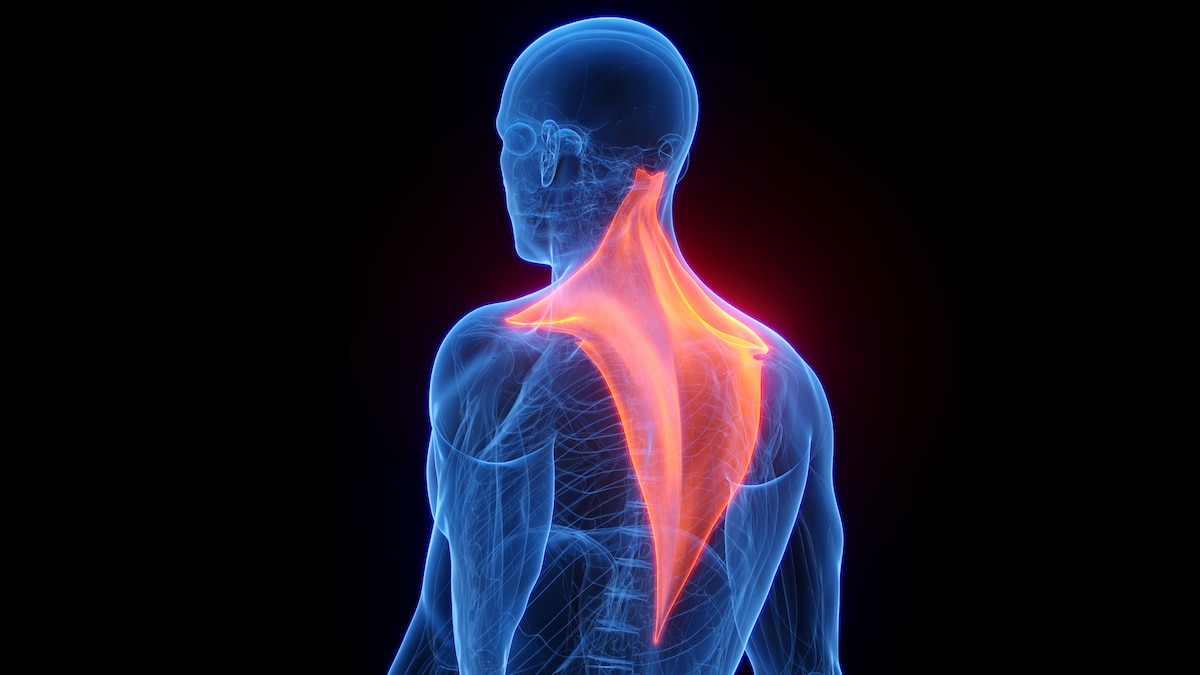
Research suggests a strong link between neck pain and tension-type headaches and migraines, with MRI scans revealing subtle changes in the trapezius muscle that may stem from inflammation among those with these headache disorders. The trigeminal nerve is a common denominator for many headaches, connecting to the brainstem and descending to the upper cervical spine, potentially triggering migraines. People with neck pain are at risk for developing tension-type headaches or migraines, and various non-pharmacological therapies, magnetic stimulation, and medication options are available to help manage both forms of pain.
Experts estimate that up to 80% of people will experience neck pain in their lives, but there are exercises and habits that can help prevent it. Strengthening the paraspinal muscles, upper back, chest, and core can minimize or eliminate neck pain. Building these muscles through strength training, stretching, and walking can reduce the recurrence of neck pain. Maintaining good posture, both while sitting and using electronic devices, is also crucial in preventing neck pain.
A study published in The Lancet medical journal warns against the use of opioids for acute low back and neck pain, as they do not provide better pain relief compared to a placebo and can result in worse pain. The study found that prescribing opioids for these conditions can lead to a range of harms, including common side effects and dependency. International guidelines have already shifted towards non-drug treatments for low back and neck pain, recommending opioids only as a last resort. Another study showed that opioid prescribing can be successfully reduced through clinician and patient education, alternative pain-management treatments, and fast-tracking referrals. The challenge now is to disseminate this information to clinicians and the public and implement evidence-based practices.