Maine Secretary of State Shenna Bellows ruled that a citizen initiative to limit transgender students’ rights did not gather enough valid signatures and will not appear on the November ballot, reversing an earlier decision.
Alberta separatists submitted about 302,000 signatures—well above the 178,000 threshold—to trigger a provincewide referendum on secession from Canada, with a vote possible as early as October, though independence would require federal negotiations and faces court challenges from Alberta First Nations; experts say the odds of victory are low.
Organizers say a California ballot measure to tax billionaires has gathered more than enough signatures to qualify for the ballot; after state verification, voters would decide on a proposal to tax the wealthiest residents to fund public services.
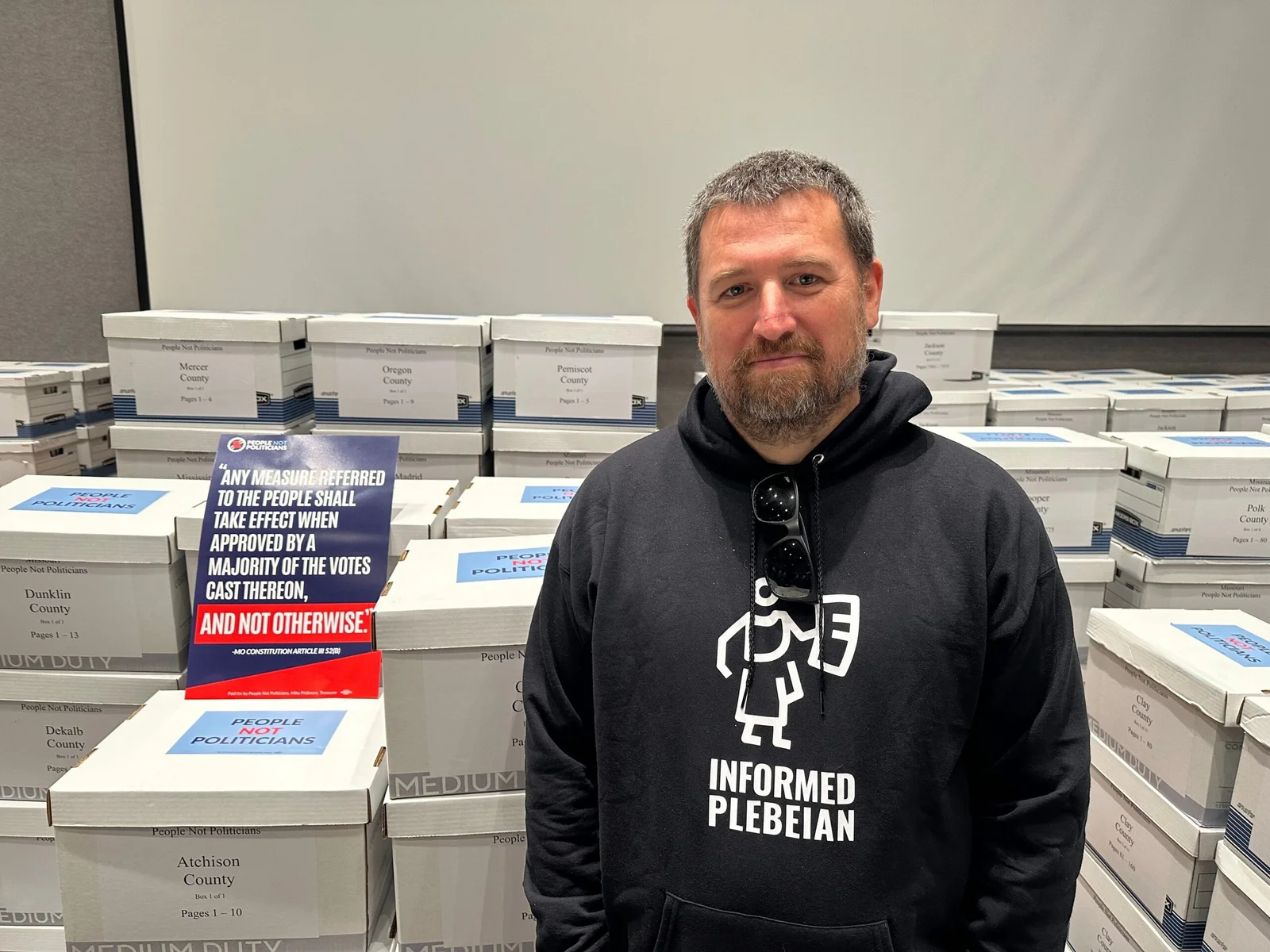
Activists say they have enough verified signatures to place Missouri’s newly drawn GOP congressional map on the 2026 ballot, meeting the required 5% support in six of eight districts, but certification could be slowed or challenged and a court fight over whether the map can take effect before voters weigh in remains unresolved.
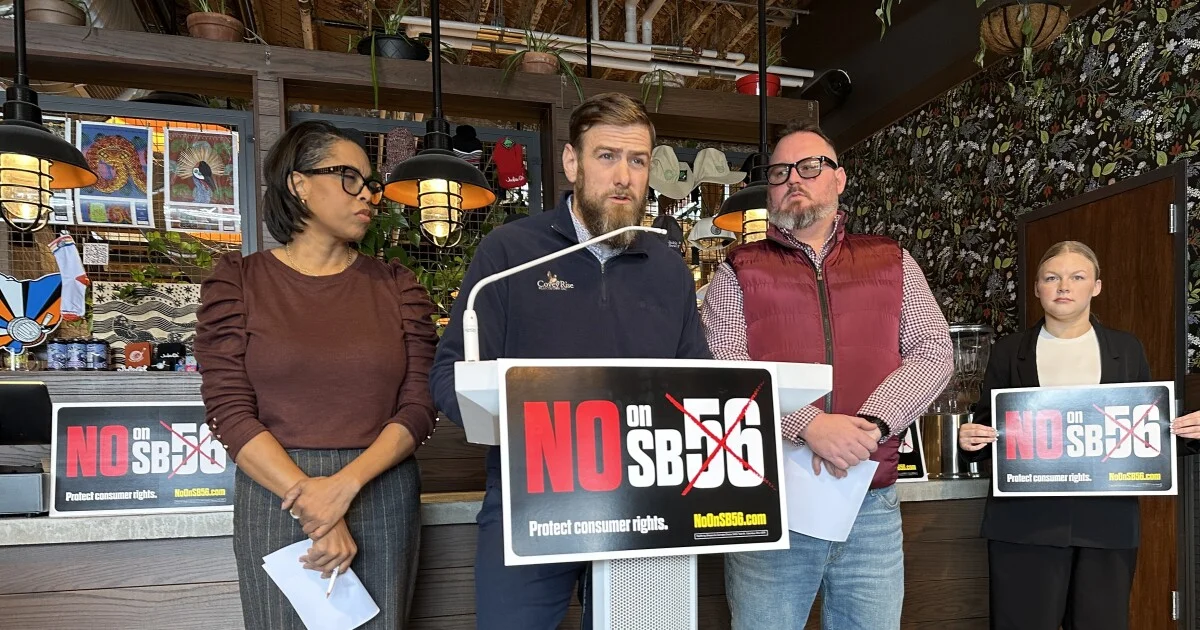
A push to overturn Ohio’s ban on intoxicating hemp products, including THC/CBD beverages, failed to gather the required signatures by the March 19 deadline, leaving SB 56 intact. Organizers said time constraints limited their effort to collect more than 248,000 valid signatures from at least 44 counties, and Gov. DeWine’s veto removed a beverage carve-out from the measure. With no ballot measure, Ohio remains unable to overturn the law via a referendum, a feat not achieved since 2011.
The Stop Killing Games EU petition has reached 1.3 million verified signatures, surpassing the 1 million threshold needed for discussion with the European Commission. Germany leads with about 233,000 signatures and France with around 145,000. Organisers say roughly 1.294 million signatures were legitimate, highlighting a strong signal from gamers since the initiative began in 2024 after Ubisoft shut down The Crew. UK authorities note there’s no legal requirement for software to be kept online indefinitely. The organizers plan to meet EU lawmakers to discuss next steps.
Over 1,300 filmmakers, actors, and industry professionals, including Olivia Colman, Mark Ruffalo, and Yorgos Lanthimos, have signed a pledge to boycott Israeli film institutions implicated in genocide and apartheid against Palestinians, citing moral and political reasons to oppose complicity in the ongoing conflict.
The Stop Killing Games campaign's petition to the European Commission has surpassed one million signatures, though concerns about fake signatures persist, prompting the campaign to urge legitimate signing. The initiative aims to address issues related to online game server shutdowns, with the EU petition nearing its goal and a UK petition also underway, despite government resistance to legal changes.
The 'Stop Killing Games' campaign has gathered 721,000 signatures to push for regulations requiring publishers to keep online games functional after support ends, aiming to prevent games from becoming unplayable due to server closures. The initiative seeks to ensure games remain playable without publisher involvement once official support concludes, benefiting players and preserving gaming art. Signatures are being collected in the EU and UK, with additional efforts to spread awareness.
The Department of Elections certified the recall petition against Joel Engardio, with 95.8% of signatures deemed valid, leading to a special election scheduled for September 16 in District 4, amid ongoing community debates over local policies and engagement.
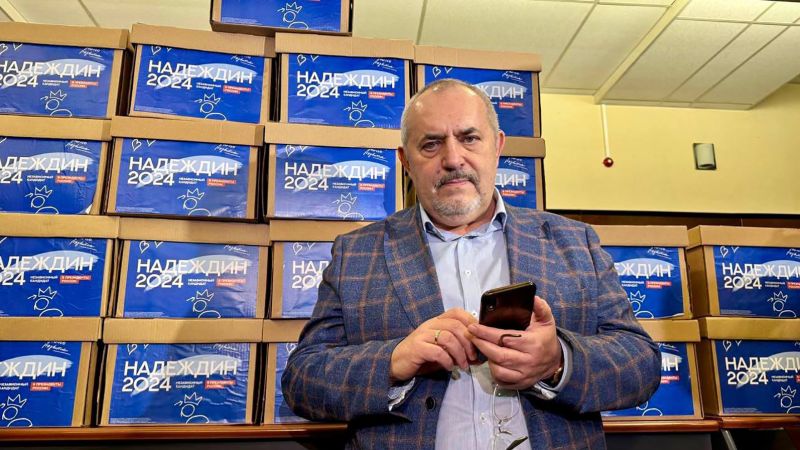
A challenger to Russian President Vladimir Putin has submitted 105,000 signatures in support of his election campaign. This comes amidst heightened tensions between Russia and Ukraine, with Putin accusing Kyiv of downing a Russian plane carrying Ukrainian prisoners of war. Meanwhile, a Lithuanian general has dismissed the possibility of Putin attacking NATO, questioning politicians' qualifications for offering military advice. Additionally, Russia has convicted a Putin-critic, Igor Girkin, for "inciting extremism" in relation to the MH17 plane crash, sentencing him to a four-year prison term.
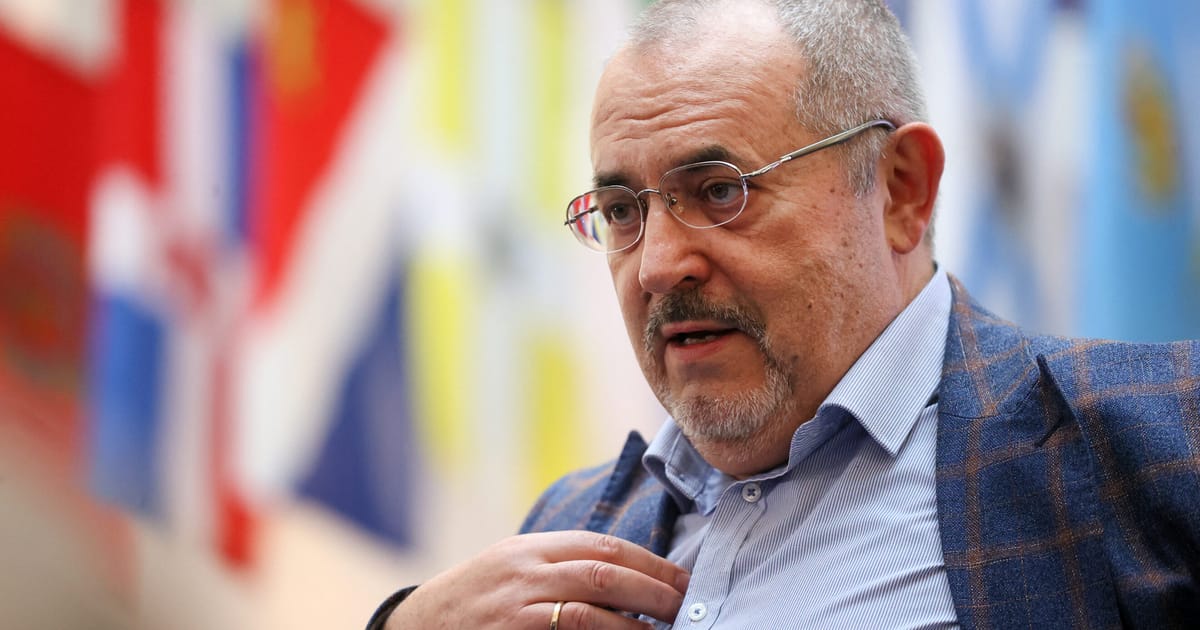
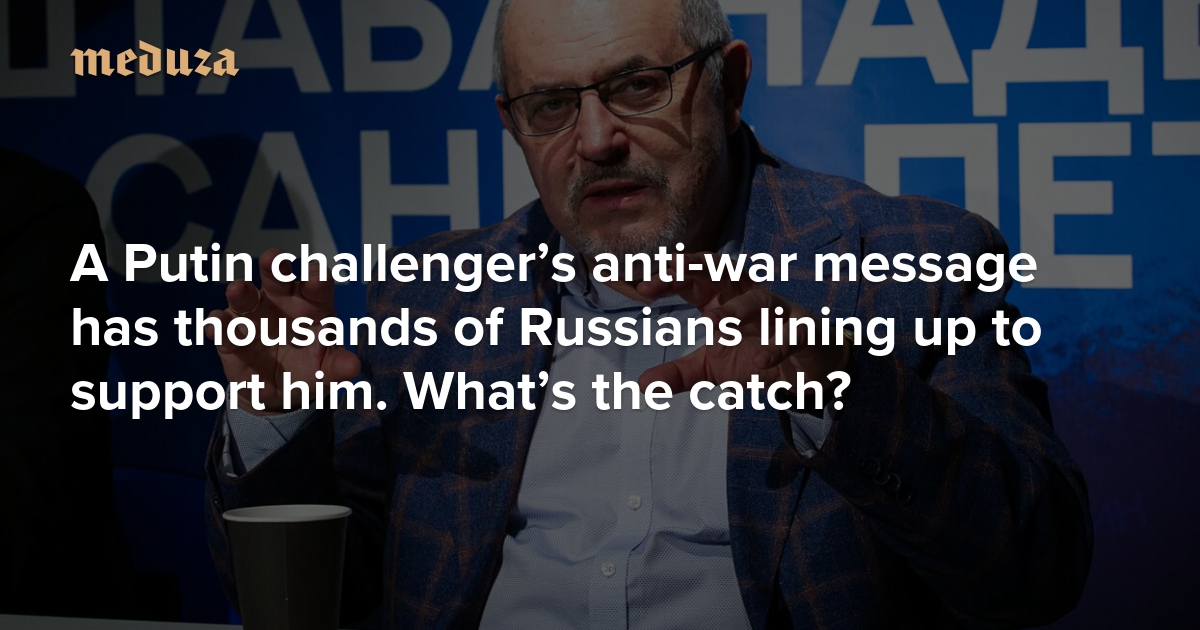
Boris Nadezhdin, an anti-war candidate, has submitted 105,000 signatures, the maximum allowed by law, to run for the Russian presidency, potentially standing against Vladimir Putin in March. Nadezhdin's campaign, which openly opposes Russia's war in Ukraine, has garnered support from prominent opposition figures, but faces challenges from the exacting standards imposed by Russia's Central Election Commission. Despite the Kremlin's confidence in Putin's overwhelming support, Nadezhdin's candidacy reflects the anti-war sentiment in the country as the full-scale invasion of Ukraine nears its second anniversary.
Boris Nadezhdin, a vocal opponent of the war in Ukraine, has gathered over 100,000 signatures to support his presidential candidacy in Russia's upcoming election, despite skepticism about his chances of being registered by the Central Election Commission. Various opposition figures, including Alexey Navalny's allies, have endorsed Nadezhdin, emphasizing the demand for a different candidate and a change in Russia's current course. Nadezhdin's anti-war message and his call for peace negotiations with Ukraine and the West are central to his campaign, but doubts remain about whether he will be allowed to join the race.
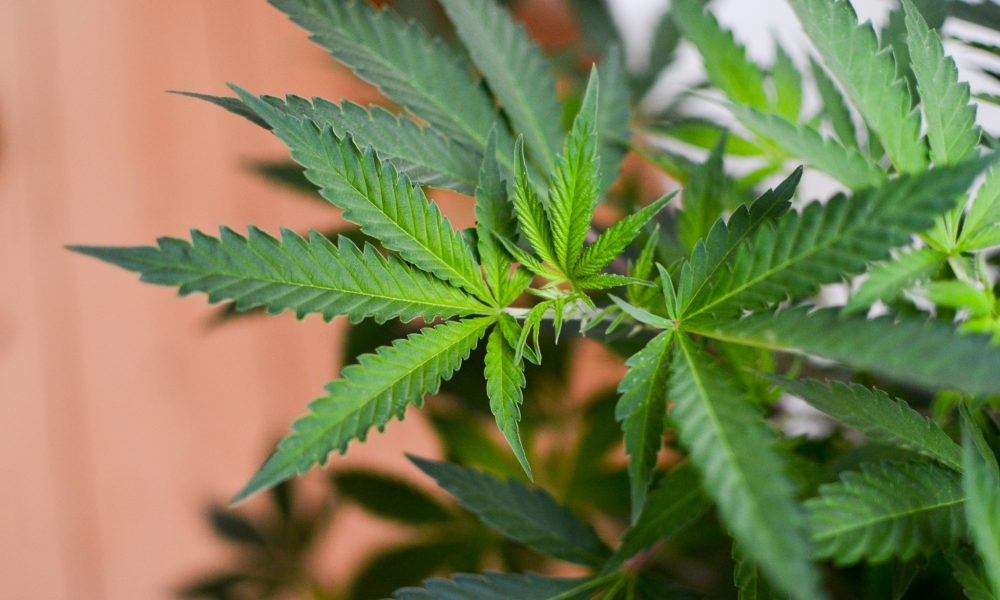
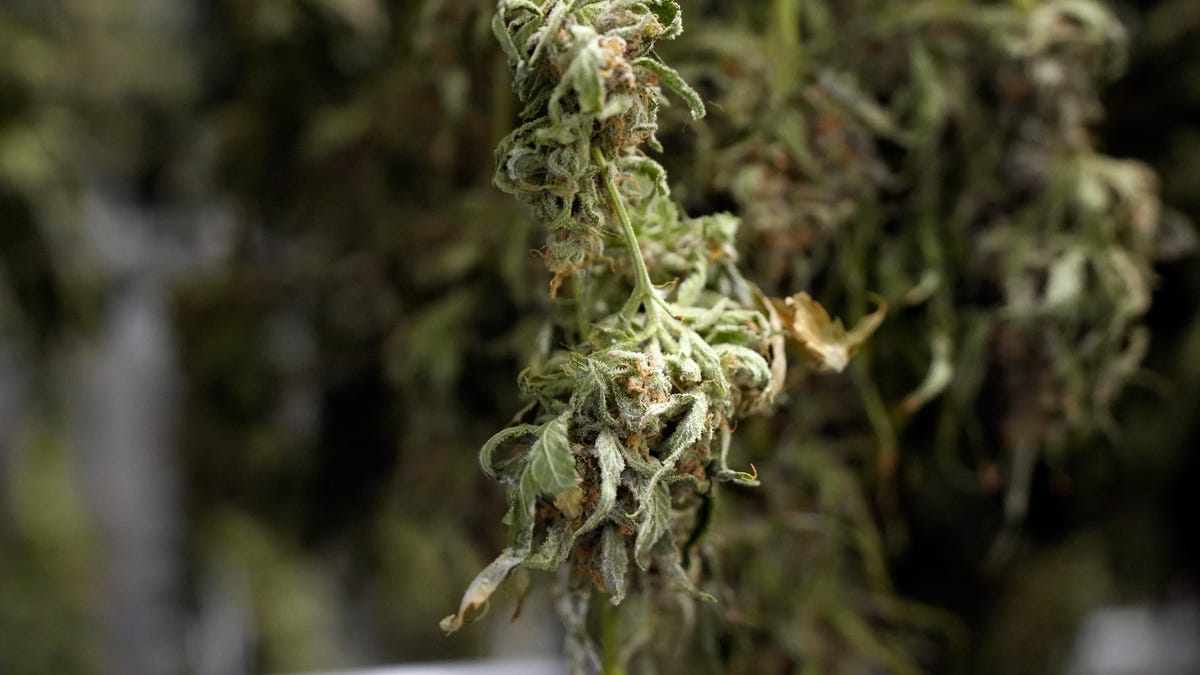
Ohio activists have submitted a final batch of signatures to put a marijuana legalization initiative on the November ballot after falling short in a prior submission. The new batch includes over 6,000 additional signatures, and advocates are confident they have made up the difference. The initiative would legalize possession of up to 2.5 ounces of cannabis for adults 21 and older, allow personal cultivation of up to six plants, and impose a 10% sales tax on cannabis sales. The revenue would be allocated to support social equity and jobs programs, localities, education and substance misuse programs, and administrative costs. The measure also establishes a Division of Cannabis Control and gives a head start to current medical cannabis businesses in the recreational market. If enacted, Ohio would become the 24th state to legalize adult-use cannabis.
Supporters of a proposal to legalize recreational marijuana in Ohio have 10 days to collect additional signatures in order to make the November ballot. The Coalition to Regulate Marijuana Like Alcohol fell just 679 signatures short of the required amount. The proposed law would allow individuals aged 21 and older to buy and possess cannabis, grow plants, and would tax products at 10%. Revenue would go towards administrative costs, addiction treatment programs, municipalities with dispensaries, and a social equity and jobs program.