Tag

Silurian Period

All articles tagged with #silurian period

Three-Foot Silurian Giant Reveals Early Steps Toward Modern Bony Fishes
science1 month ago

Three-Foot Silurian Giant Reveals Early Steps Toward Modern Bony Fishes

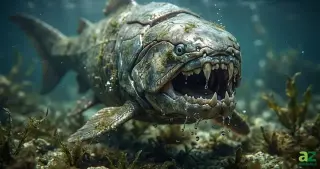
Two Silurian fossils from China illuminate early osteichthyan evolution: a 436-million-year-old Eosteus chongqingensis from the Chongqing Lagerstätte shows a mosaic of bony-fish traits, suggesting such features emerged earlier than once thought; a 423-million-year-old Megamastax amblyodus from Yunnan reveals early dentition and anatomy bridging jawed cartilage and bony fishes, indicating osteichthyans were widespread in the Silurian and potentially apex predators. Together these finds help fill the pre-Devonian fossil gap and trace the origin of modern fishes.
Tiny 436-Million-Year-Old Fossil Recasts the Origin of Bony Vertebrates
science1 month ago

Tiny 436-Million-Year-Old Fossil Recasts the Origin of Bony Vertebrates

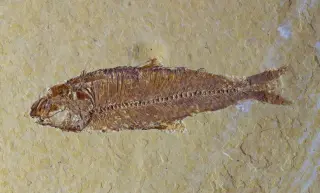
A 436-million-year-old bony fish fossil, Eosteus chongqingensis, from China’s Chongqing Lagerstätte, is the oldest near-complete articulated osteichthyan and shows bony-fish traits emerged earlier than thought; a second find, Megamastax amblyodus from ~423 million years ago, reveals a large Silurian predator with early bony-fish dentition, helping place these early fishes on the osteichthyan stem and filling gaps in pre-Devonian vertebrate evolution.

"425-Million-Year-Old Predatory Worm Discovered with Accordion-Like Movement"
nature2 years ago

"425-Million-Year-Old Predatory Worm Discovered with Accordion-Like Movement"

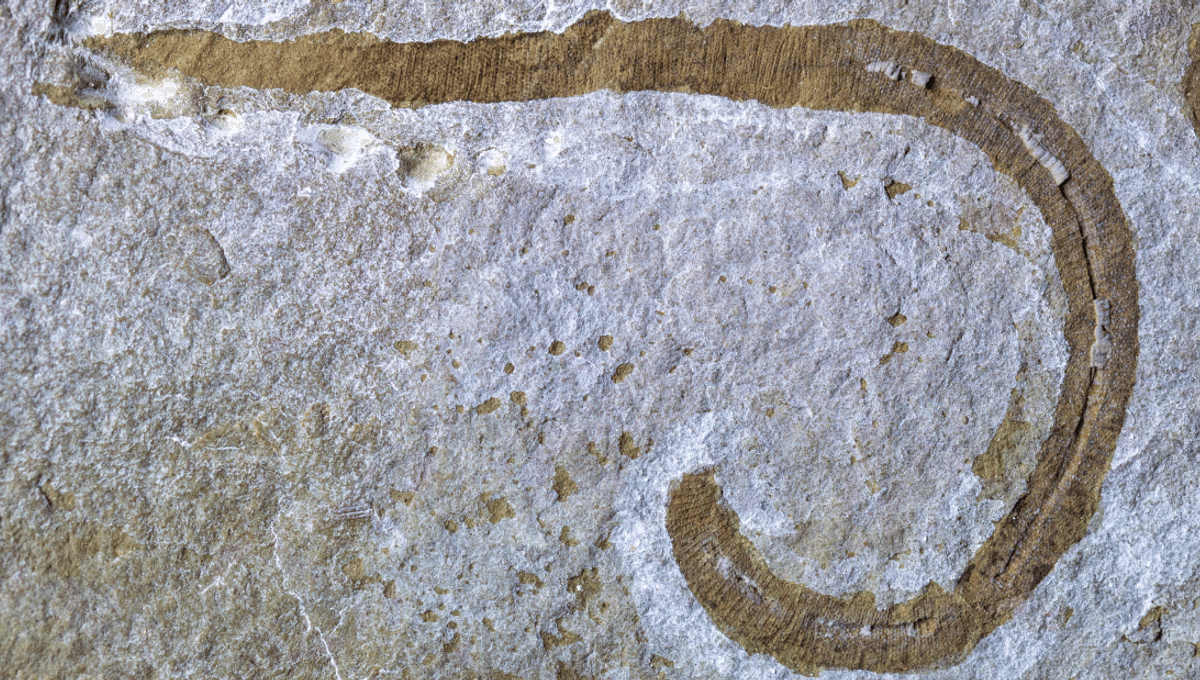
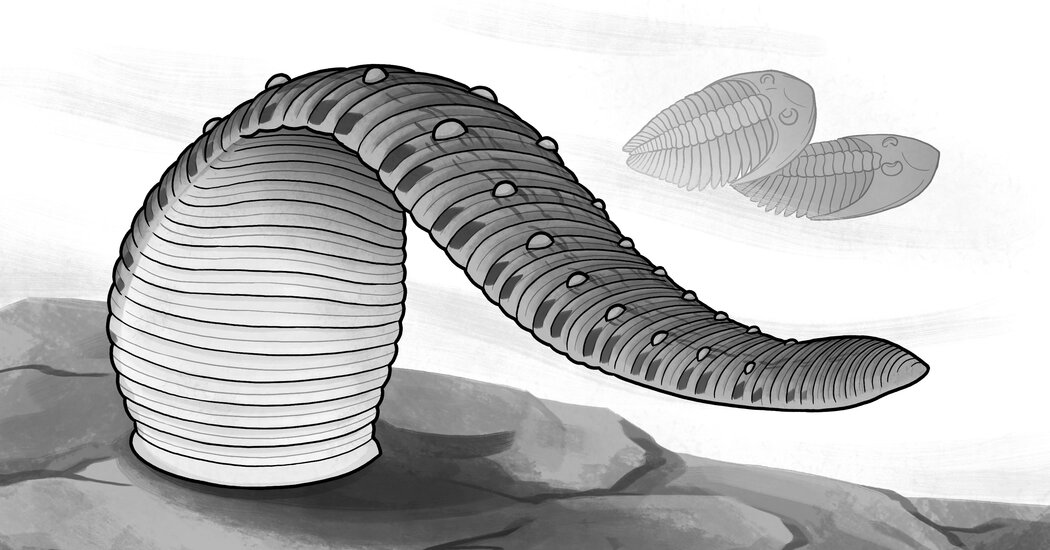
Scientists have described a 425-million-year-old predatory worm named Radnorscolex latus, which moved like an accordion and used sharp teeth and hooks to capture prey. The fossil, originally found in the 1920s in Herefordshire, UK, was re-examined using advanced imaging technology, revealing new insights into its feeding mechanisms and ecological role. The study highlights the worm's tough chitinous cuticle, which contributed to its preservation, and compares its ancient existence to modern "living fossils" like coelacanths and horseshoe crabs.