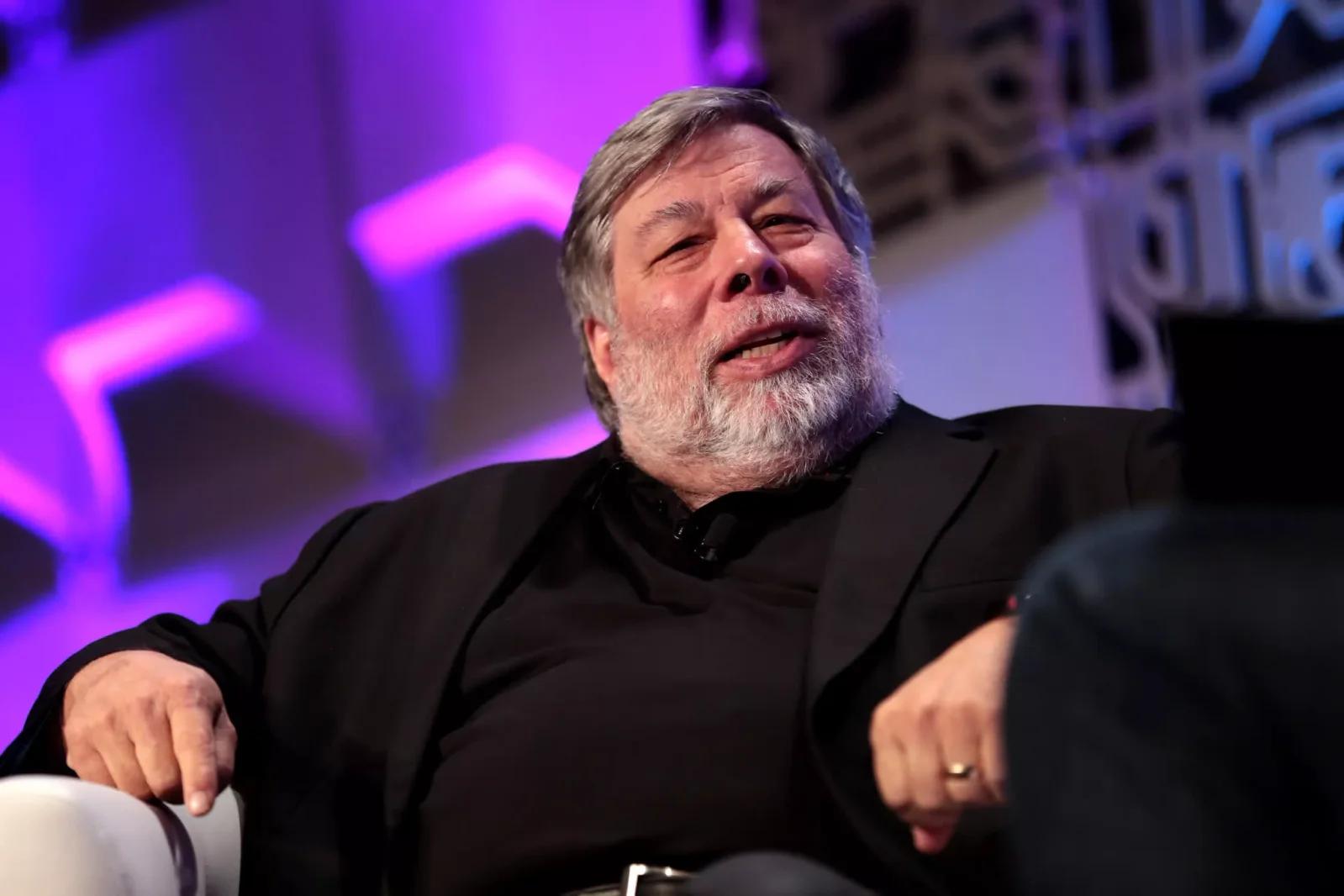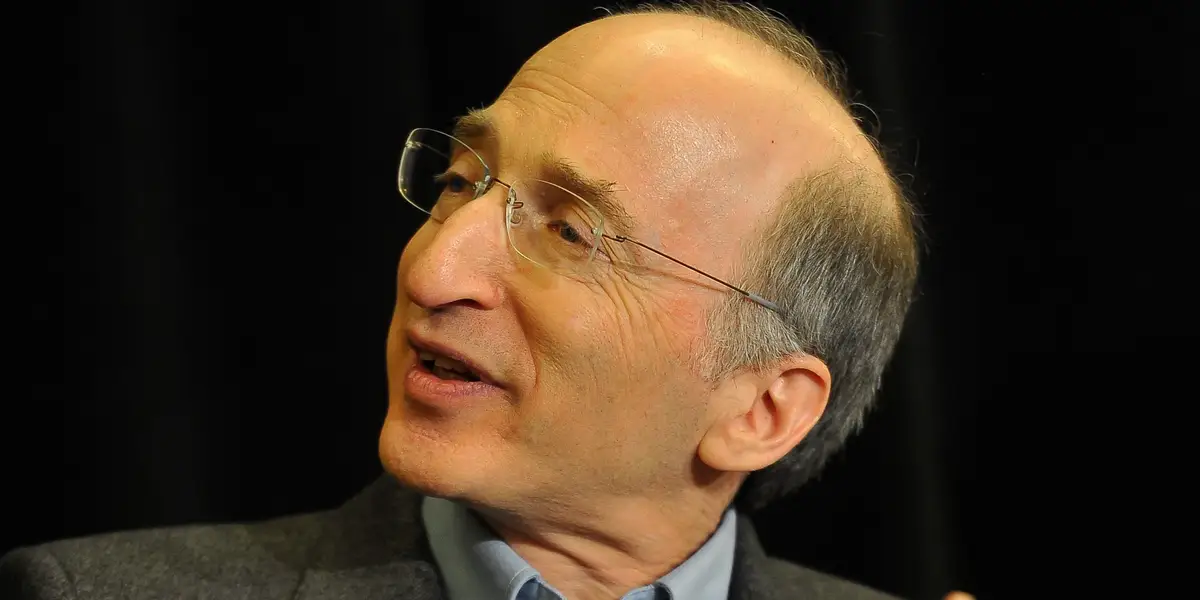
Apple co-founder Steve Wozniak says in a CNN interview that he uses AI very rarely and is often disappointed by its responses—too dry and perfect and not what he’s seeking—while acknowledging AI could improve, he doubts it will replace human emotions or understanding anytime soon, a stance that contrasts with more bullish AI forecasts from other tech leaders.
The Verge critically examines Eon Systems’ viral clips that claimed to digitally upload a fruit fly as a conscious, embodied being. With only two videos, no detailed methods or independent verification, and expert skepticism about the feasibility and definitions of a “real uploaded animal,” the piece argues the claim is not substantiated and highlights broader questions about what counts as a fly and whether whole-brain emulation is achievable.
A former chiropractor recounts his early hope that chiropractic offered a humane, concrete alternative to medicine, then chronicles how the field's diagnostics, marketing, and business practices rely on belief and profit rather than solid evidence. He describes questionable methods like applied kinesiology, the push for lifelong care plans, and a two-tier system where leaders critique medicine from afar while practitioners handle day-to-day billing and expectations. After decades of study showing few consistent benefits beyond non-specific factors (placebo, ritual, natural history) and with better science revealing diminishing apparent effects, he leaves the profession and reflects on the ethical and professional failures that harmed patients and stymied accountability.
Carol Tavris reviews Helen Pilcher’s This Book May Cause Side Effects, examining how negative expectations can produce real symptoms and influence medical outcomes. She highlights compelling examples (like statin side effects mirroring placebo) but critiques the book for overgeneralizing the idea that all illness can be worsened by nocebo and for lacking precise data in places. Still, she notes useful implications and strategies—reframing supposed side effects, emphasizing the majority who don’t experience them, and pursuing personalized informed consent—to counter the nocebo effect in clinical care.
The National Cancer Institute is conducting a preclinical study of ivermectin as a potential cancer therapy, with results expected in months, a move that has drawn opposition from some scientists who say there is no solid evidence and warn about misinforming patients, even as officials and influencers promote the idea.
Moltbook, marketed as a social network for AI agents, claims millions of agent users and hundreds of thousands of posts, igniting a tech-wide debate. While Elon Musk praises the platform as an early sign of AI singularity, skeptics warn that many activities may be human-driven prompts or API posts and doubt the platform’s claim of genuine autonomous AI interaction. Some posts range from existential musings to cryptocurrency ideas, but experts say much of the content may reflect training data patterns rather than true machine consciousness, making it more an infrastructure signal than a breakthrough in AI.
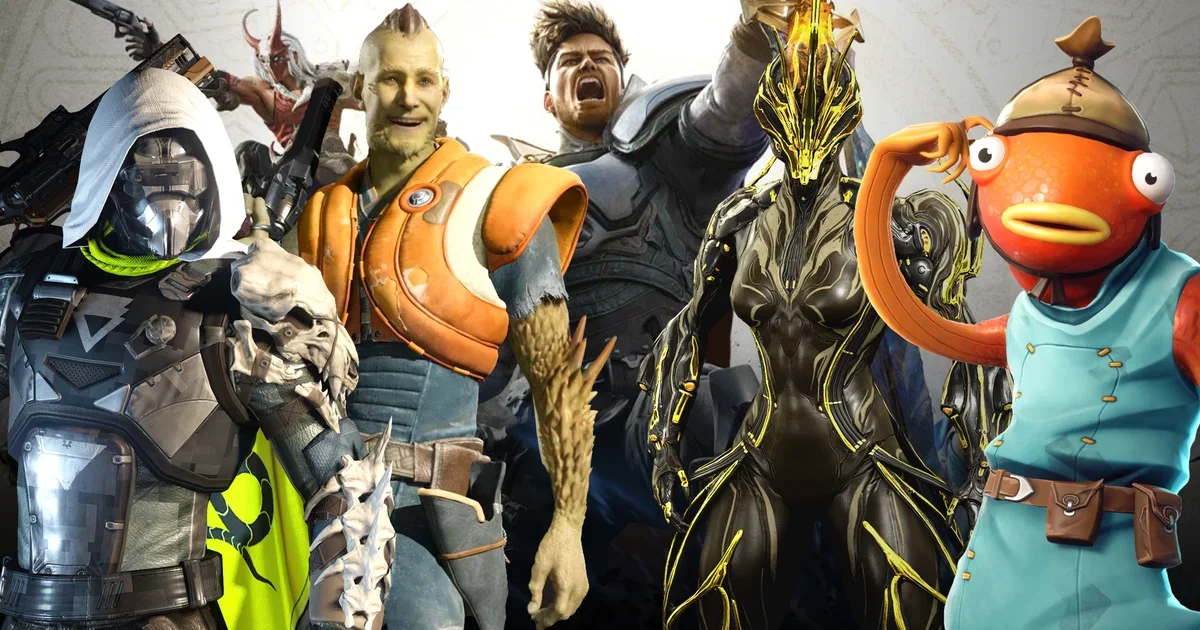
Eurogamer’s feature argues that the industry is too quick to condemn live-service games, highlighting players’ and developers’ nuances: some titles succeed with player-focused design (examples like Warframe and Helldivers 2) while others lean into predatory monetization. Highguard’s launch intensifies the debate about whether criticism is fair or merely cynical, urging readers to give new live-service games a fair chance amid economic pressures and media-driven outrage.
A Nobel laureate warns that AI can create false confidence and diminish critical thinking, emphasizing the importance of using AI as a supportive tool rather than a substitute for human judgment. He advocates for skepticism, probabilistic thinking, and error-checking to avoid being misled by AI's often overly confident outputs.
The article discusses the importance of critical thinking, scientific skepticism, and humility in understanding the world, highlighting Carl Sagan's work and the challenges of overcoming cognitive biases and magical thinking in human nature.
The push for a second GOP reconciliation bill faces growing skepticism from both Democrats and Republicans, with internal disagreements over policy details and a lack of urgent legislative drivers, making its passage uncertain.
The article discusses the ongoing debate about the validity and impact of artificial intelligence, highlighting responses from figures like Gary Marcus. It addresses the skepticism surrounding AI, with some claiming it is ineffective or overhyped, while others argue that AI is both real and potentially dangerous. The discussion reflects broader concerns about the role and future of AI in society.
Matt Gaetz's potential selection for a cabinet position in Donald Trump's transition team has been met with skepticism, reflecting concerns over his suitability for the role.
In a post-election interview on 'Morning Edition,' former independent presidential candidate Robert F. Kennedy Jr. discussed his health policy vision, expressing skepticism towards public health expertise. Kennedy's views highlight his critical stance on conventional public health approaches, which has been a notable aspect of his political platform.
Director Jonathan Glazer expresses skepticism towards people making Holocaust films, stating that he is suspicious of their intentions. Glazer's comments come in the context of his film "Zone of Interest," which is set in a concentration camp. He emphasizes the need for caution and sensitivity when approaching such sensitive subject matter.
Many AI companies struggle with public skepticism, but some used the Super Bowl to change the narrative, with Microsoft showcasing its "everyday AI companion" Copilot. Despite concerns about job displacement and misinformation, companies like Captions.Creations are highlighting the positive impact of AI, such as facilitating cross-cultural communication. Experts believe that AI will soon become as pervasive as mobile or the internet, and the Super Bowl ads represent the early steps in selling the idea that AI will change every aspect of our lives for the better.