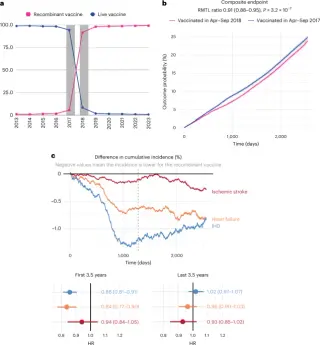
A BuzzFeed roundup compiles 24 unsettling medical facts about the human body, from eyelash mites and organ transplant quirks to the microbiome and links between dental health and heart disease, highlighting how bizarre and powerful our biology can be.
BuzzFeed collects Reddit anecdotes and expert notes to highlight 21 enduring puzzles about the human body—ranging from colic and labor triggers to how anesthesia or sleep truly works and why autoimmune diseases or brain injuries defy easy prediction—illustrating that much of biology remains not fully understood.
A former chiropractor recounts his early hope that chiropractic offered a humane, concrete alternative to medicine, then chronicles how the field's diagnostics, marketing, and business practices rely on belief and profit rather than solid evidence. He describes questionable methods like applied kinesiology, the push for lifelong care plans, and a two-tier system where leaders critique medicine from afar while practitioners handle day-to-day billing and expectations. After decades of study showing few consistent benefits beyond non-specific factors (placebo, ritual, natural history) and with better science revealing diminishing apparent effects, he leaves the profession and reflects on the ethical and professional failures that harmed patients and stymied accountability.
A 56-year-old man with liver failure was connected to an externally perfused, genetically modified pig liver to keep him alive while awaiting a human liver transplant. The pig organ, engineered with six genetic changes to reduce rejection, functioned as a bridge for a few days; the patient subsequently received a human liver and is recovering. Researchers note the need for more details and that results should be published in a peer-reviewed journal.
Researchers at Kumamoto University identified 1,2,3,4,6-penta-O-galloyl-β-D-glucose (PGG) from pomegranate leaves and branches that selectively dismantles preexisting transthyretin (TTR) amyloid fibrils in vitro, in vivo, and with patient-derived fibrils ex vivo, reducing deposits and improving healthspan and lifespan in a C. elegans model. Unlike amyloid-β, PGG targets TTR aggregates specifically, suggesting a promising natural lead for treating TTR amyloidosis, though safety and efficacy in humans remain to be established.
A physician argues that AI can empower patients when used to enhance medical care rather than replace it, noting that many already consult AI for health advice. While AI offers valuable information, it also poses risks to the doctor–patient relationship and can fuel anxiety. The recommended approach is to use AI to prepare for and inform conversations with doctors, not to substitute professional medical care.
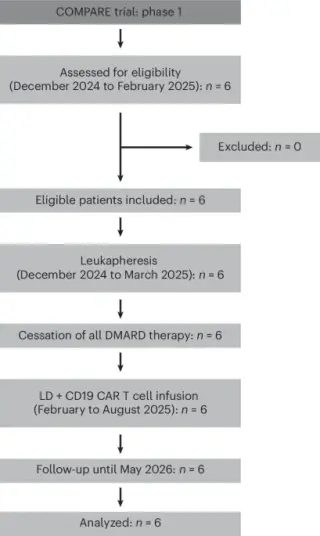
A CART4-34 CAR-T therapy targets the IGHV4-34 gene in B-cell cancer, destroying lymphoma cells in mice as effectively as CD19 CAR-T while sparing healthy B cells and avoiding immune suppression; the approach could also be used to treat autoimmune conditions such as lupus, but human trials are needed.
A roundup of six accessible health-and-medicine podcasts—This Podcast Will Kill You, Bodies, Psychiatry & Psychotherapy Podcast, Sawbones, Emergency Medicine Cases, and The Pulse—each blending expert insight, storytelling, and investigative reporting on topics from disease history to medical misinformation and U.S. healthcare policy.
The Pitt Season 2's '8:00 AM' features Dr. Baran Al-Hashimi introducing an AI app that listens to patient visits and auto-summarizes charts, claiming 80% less charting time and 20% more bedside time, but it incorrectly logs a medication—highlighting AI’s promise alongside flaws. While the piece notes a claimed 98% accuracy, it explains that AI transcription can be very accurate in quiet settings but drops in busy ERs, and large-language models still hallucinate (GPT-5.2 averages ~10.9%, ~5.8% with internet). The article argues AI should augment—not replace—doctors and emphasizes empathy at the bedside, also citing real-world radiology productivity gains (~40%) from AI. A disclosure about Mashable’s parent company’s lawsuit against OpenAI is mentioned.
AI is significantly improving the pharmaceutical industry by addressing the high failure rate and lengthy, costly process of drug development, which can take over a decade and cost nearly $3 billion per successful drug.
The article discusses the historical decline and recent resurgence of testosterone therapy in medicine, highlighting how misconceptions, particularly linking testosterone to prostate cancer, led to its decline. Abraham Morgentaler played a key role in challenging these beliefs through clinical evidence, showing that testosterone therapy is safe for men with hypogonadism and emphasizing the importance of considering individual patient experiences. The piece also explores the cultural and medical biases that have hindered the acceptance of testosterone treatment.
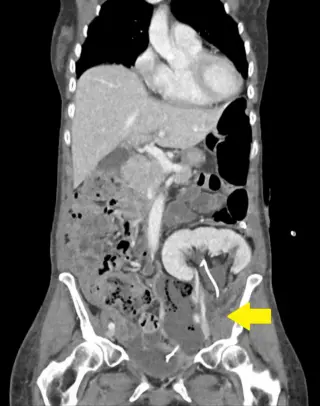
This study uses spatial transcriptomics and single-cell analysis to uncover how specialized fibroblast niches, particularly FAS cells, contribute to the formation, progression, and persistence of Crohn's fistulae, highlighting their roles in tissue remodeling, immune regulation, and epithelial regeneration, with implications for targeted therapies.
Recent studies highlight that prescribing fruits and vegetables can significantly improve health outcomes, such as lowering blood pressure and reducing the risk of heart attacks and strokes, emphasizing the role of diet as medicine.
The study investigates how UBA1 mutations in VEXAS syndrome lead to inflammation and myeloid cell bias, revealing mechanisms involving aberrant cell death and ubiquitin pathway defects, and suggesting potential therapeutic targets.
COVID-19 mRNA vaccines enhance the effectiveness of immune checkpoint inhibitors in cancer treatment by stimulating innate and adaptive immune responses, increasing tumor PD-L1 expression, and potentially restoring immune sensitivity in 'cold' tumors, leading to improved survival outcomes in patients with NSCLC and melanoma.