
Tag

Skin Bacteria

All articles tagged with #skin bacteria

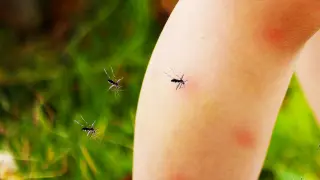
What turns you into a mosquito magnet? Festival study uncovers beer, bed-sharing, and skin bacteria as bite clues
science25 days ago

What turns you into a mosquito magnet? Festival study uncovers beer, bed-sharing, and skin bacteria as bite clues

A real-world study at the Lowlands Festival recruited 450 volunteers to see why mosquitoes bite some people more. Findings point to beer/alcohol consumption, cannabis use, not showering, sharing a bed, and higher levels of skin Streptococcus bacteria as linked to more bites, while diet and blood type showed no clear effect. Sunscreen appeared protective, and while repellents and protective clothing remain the best defense, the study highlights how everyday lifestyle can influence mosquito attraction—at least for the Anopheles stephensi species studied.

"Engineering Skin Bacteria to Treat Acne with Sebum Modulator Delivery"
health2 years ago

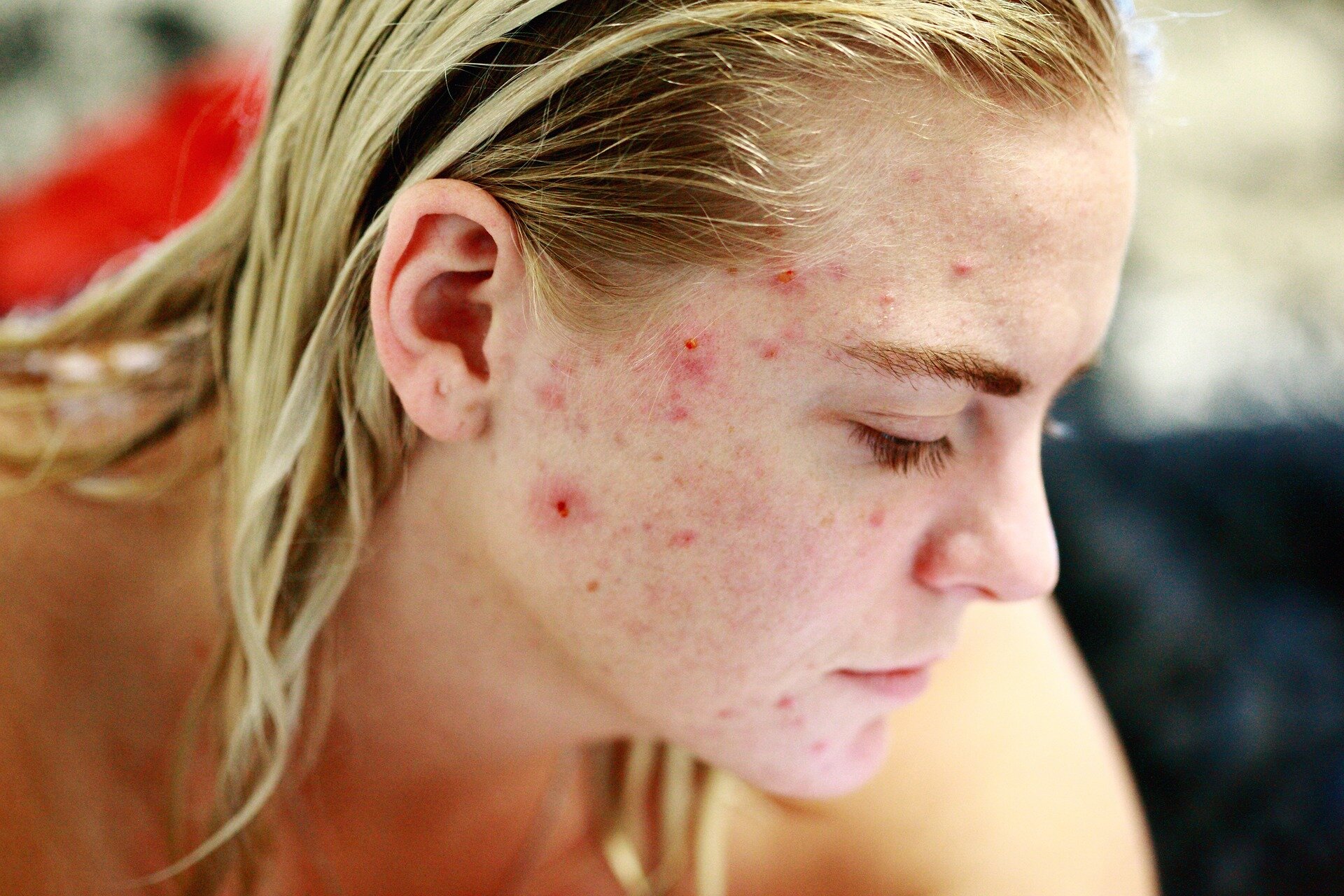
"Engineering Skin Bacteria to Treat Acne with Sebum Modulator Delivery"

Researchers have successfully engineered Cutibacterium acnes, a type of skin bacterium, to produce and secrete a therapeutic molecule suitable for treating acne symptoms. The engineered bacterium has been validated in skin cell lines and in mice, opening the door to engineering non-tractable bacteria to address skin alterations and other diseases using living therapeutics. This breakthrough could lead to the development of targeted topical therapies for acne and potentially other skin conditions, with the potential for broader applications in skin sensing and immune modulation.

Unveiling the Gross Origins of Itching: Scientists' Breakthrough in Eczema Cure
health2 years ago

Unveiling the Gross Origins of Itching: Scientists' Breakthrough in Eczema Cure

Scientists have discovered that a common type of skin bacteria, Staphylococcus aureus, can trigger itchiness in patients with eczema. The study found that this bacteria, commonly found on the skin of eczema patients, interacts with nerve cells in the skin, causing itch signals to be sent to the brain. The researchers identified an enzyme called V8 protease as the culprit and showed that blocking its receptors reduced itchiness in mice. The findings offer hope for the development of new treatments to alleviate itchiness and improve the lives of patients with chronic itch diseases.