
Festival Study Links Alcohol, Sweat, and Skin Bacteria to Mosquito Preference
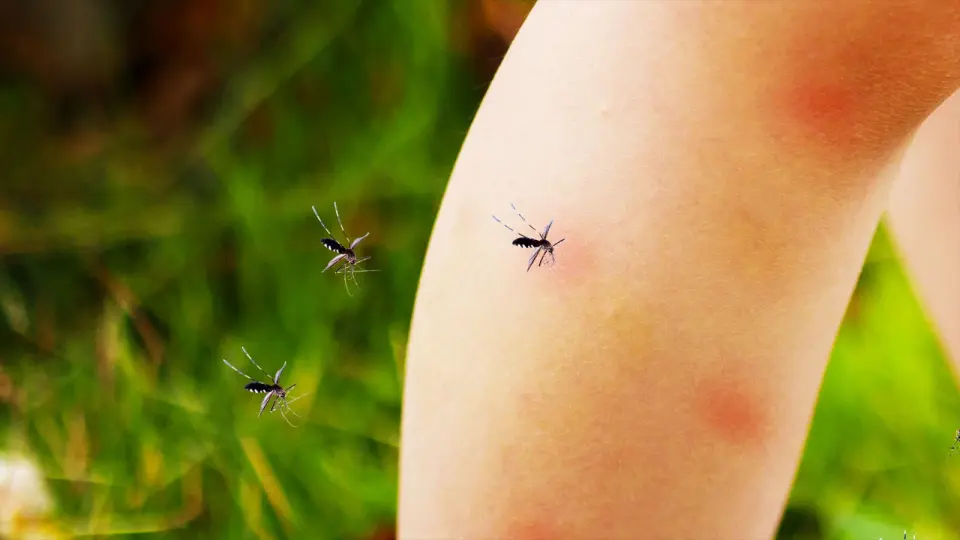
A large-scale experiment at a Dutch music festival identified specific lifestyle factors that make humans more attractive to mosquitoes, while debunking common myths about blood type and diet.
Key points
- Researchers at Radboud University Medical Center tested 450 participants at the Lowlands Festival in August 2023.
- Mosquitoes showed higher interest in individuals who had consumed beer or wine within 12 hours or used cannabis in the previous two days.
- Participants who skipped sunscreen or shared beds with others also attracted more mosquito attention.
- Higher levels of Streptococcus bacteria on the skin correlated with increased mosquito attraction.
- Diet and blood type showed no significant link to mosquito preference in this study.
Background
Previous research has long suggested that carbon dioxide, body heat, and skin microbiome diversity influence mosquito behavior. While earlier studies produced mixed results regarding blood type, this new research provides a large-sample dataset to clarify which factors are actually significant. The findings align with broader scientific consensus that mosquitoes rely on chemical cues rather than visual ones to locate hosts.
How outlets are covering it
Earth.com highlights the role of alcohol and skin bacteria, noting that beer drinkers may attract mosquitoes due to increased body temperature or sweat from dancing. ScienceAlert references a separate study from Florida International University involving 119 volunteers and three mosquito species, emphasizing that skin scents and microbes are the primary determinants of attraction. Good Housekeeping focuses on practical advice, suggesting that indoor exercise increases carbon dioxide and sweat output, making individuals more visible to mosquitoes, and recommends using fans and screens. Deccan Herald notes that chemical signatures determine mosquito choice but offers limited new data, focusing instead on the general concept of mosquito selectivity. The outlets differ in emphasis: Earth.com and ScienceAlert focus on the scientific findings of specific studies, while Good Housekeeping provides actionable lifestyle advice for pest control.
Why it matters
Understanding what makes certain people more attractive to mosquitoes can help in developing better prevention strategies. Since mosquitoes are the deadliest animals on Earth, spreading diseases like malaria, dengue, and Zika, identifying modifiable risk factors such as alcohol consumption or hygiene habits could lead to more effective public health interventions. The study also clarifies that some common beliefs, like the link between blood type and mosquito bites, are not supported by recent large-scale data.
What to watch
Researchers will likely continue to investigate the specific chemical compounds released by the skin and how lifestyle choices alter these signatures. Future studies may explore whether the findings for Anopheles stephensi apply to other mosquito species, such as Aedes aegypti, which are prevalent in different regions. Public health campaigns may incorporate these findings to advise on timing and location of outdoor activities to minimize exposure.
- What makes you a mosquito magnet? Scientists tested 450 people to find out Earth.com
- This Week in Science: Mosquito Magnets, Bonus Benefits of GLP-1s, And More ScienceAlert
- 'I'm being eaten alive!' This healthy habit is making you a magnet for mosquitoes - here's what to do instead Good Housekeeping
- Mosquitoes too swipe ‘right’ on human of their choice—are you a perfect match? Deccan Herald
- Doctors say mosquitoes do play favorites; here's why some people are more likely to be bitten WXYZ Channel 7
Want the full story? Read the original reporting
Read on Earth.com