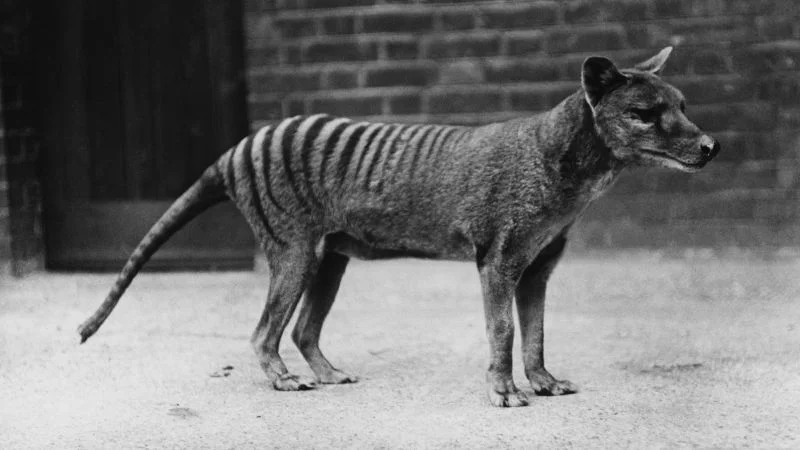
Tasmanian tiger skull reveals a fast-snapping passer of small prey, not a wolf-like predator
New skull analysis shows the Tasmanian tiger hunted small prey with a long, slender snout and a very large skull that enabled rapid snapping, not the grappling, wolf-like predation once assumed. The marsupial was more closely related to kangaroos than dogs. The last captive thylacine died in 1936, and while de-extinction efforts are underway in some labs, researchers emphasize Indigenous stewardship and broader conservation lessons.