Big Skull, Tiny Arms: Why Rex and Other Giants Dropped Their Forelimbs
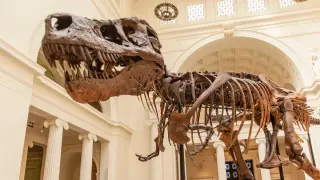
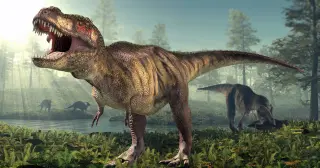
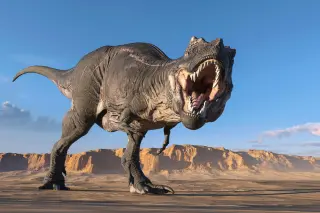
A new study of 82 theropods, including T. rex, finds reduced forelimbs evolved independently in five groups as heavily built skulls and strong bites became the primary hunting tool; skull robustness appears to drive forelimb shrinkage, with giant prey pushing predators toward jaw-based attacks and different lineages shortening arms via separate evolutionary paths (not merely due to overall body size).