New Chinese Fossil Confirms Flight Evolved Independently in Birds and Dinosaurs
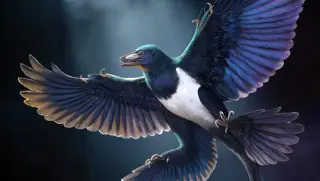
A newly described 57-centimeter dinosaur, Norellraptor barsboldi, from 120-million-year-old Chinese rock beds, provides strong evidence that flight evolved independently in birds and their closest non-avian relatives. While sharing about 30% of anatomical features with birds, the sequence of these adaptations differs, challenging the idea of a shared ancestral flight blueprint.