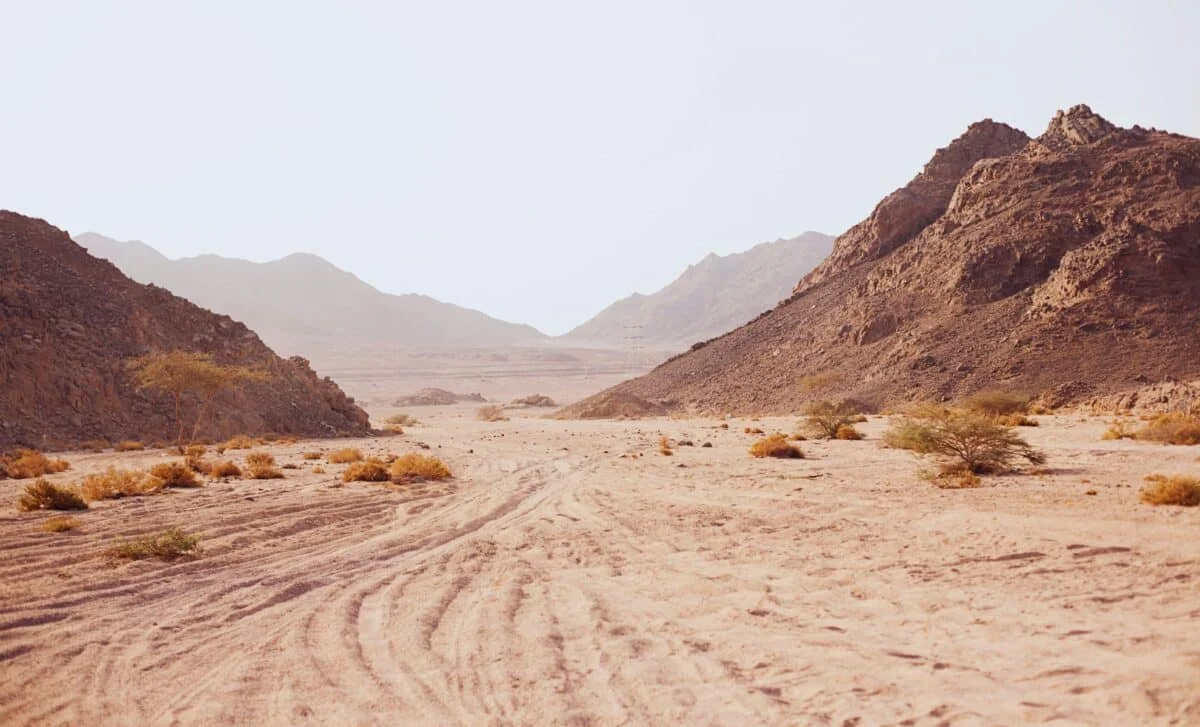
Six sampling sites across the Atacama Desert revealed diverse nematode communities thriving in buried soil, showing life can persist in extreme dryness and highlighting a richer desert ecosystem with implications for soil resilience amid increasing aridity from climate change.
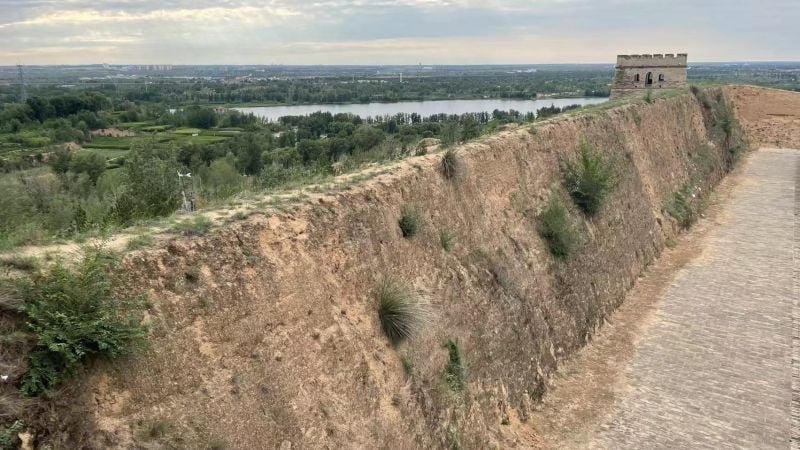
Scientists have discovered that biocrusts, a natural "living skin" of plants and microorganisms, are protecting the Great Wall of China by strengthening its rammed earth sections. These biocrusts, which include cyanobacteria, algae, moss, fungi, and lichen, enhance the wall's resistance to erosion and increase its structural stability. The study, published in Science Advances, suggests that biocrusts could be beneficial for the conservation of earthen heritage sites, challenging the conventional view that biological growth is harmful to such structures. The findings highlight the potential of using biocrusts in nature-based solutions for preserving cultural landmarks in the face of climate change.