Tag

Solar Array

All articles tagged with #solar array

space2 years ago

Spacewalkers face challenges with bolts, but complete successful mission

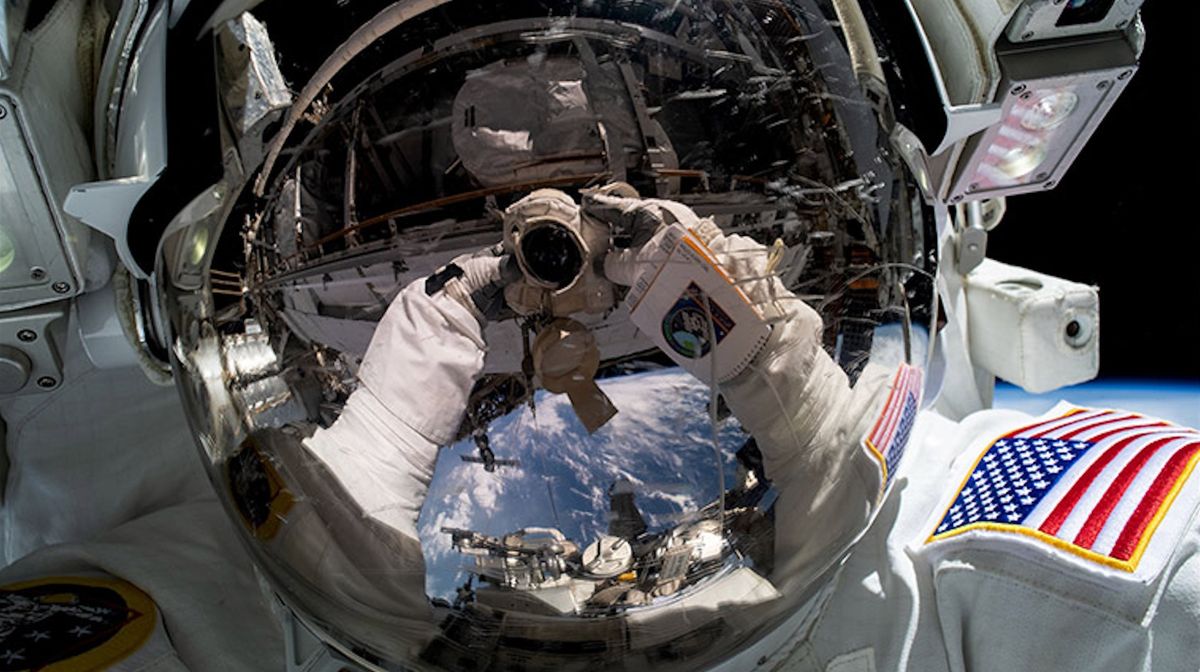
Astronauts Jasmin Moghbeli and Loral O'Hara completed their first spacewalk to replace a bearing assembly in one of the International Space Station's solar array rotation mechanisms. However, they were unable to retrieve a failed communications component due to difficulties with tight bolts. The spacewalk, the fourth all-female excursion, took longer than expected, resulting in a delay. Moghbeli and O'Hara successfully completed their tasks and returned to the Quest airlock after a 6-hour 42-minute spacewalk.
Astronauts Install Record-Tying Solar Array on International Space Station
space3 years ago

Astronauts Install Record-Tying Solar Array on International Space Station

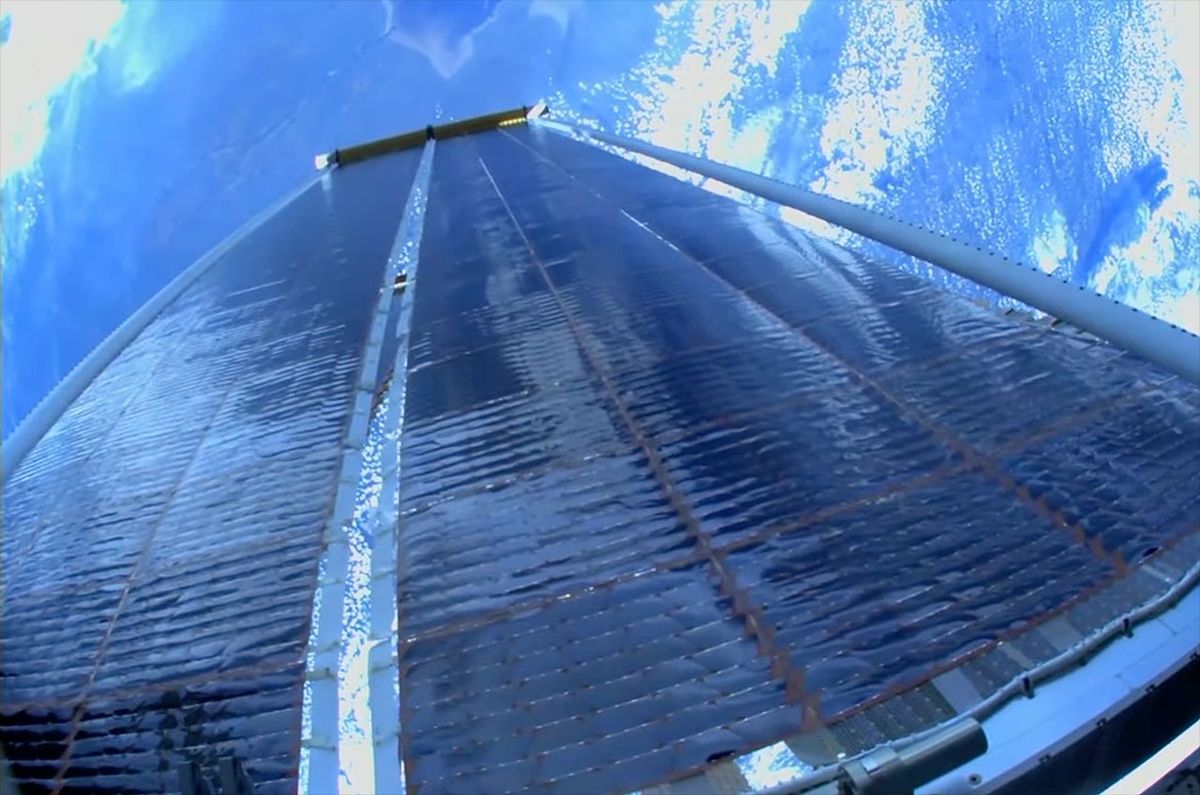
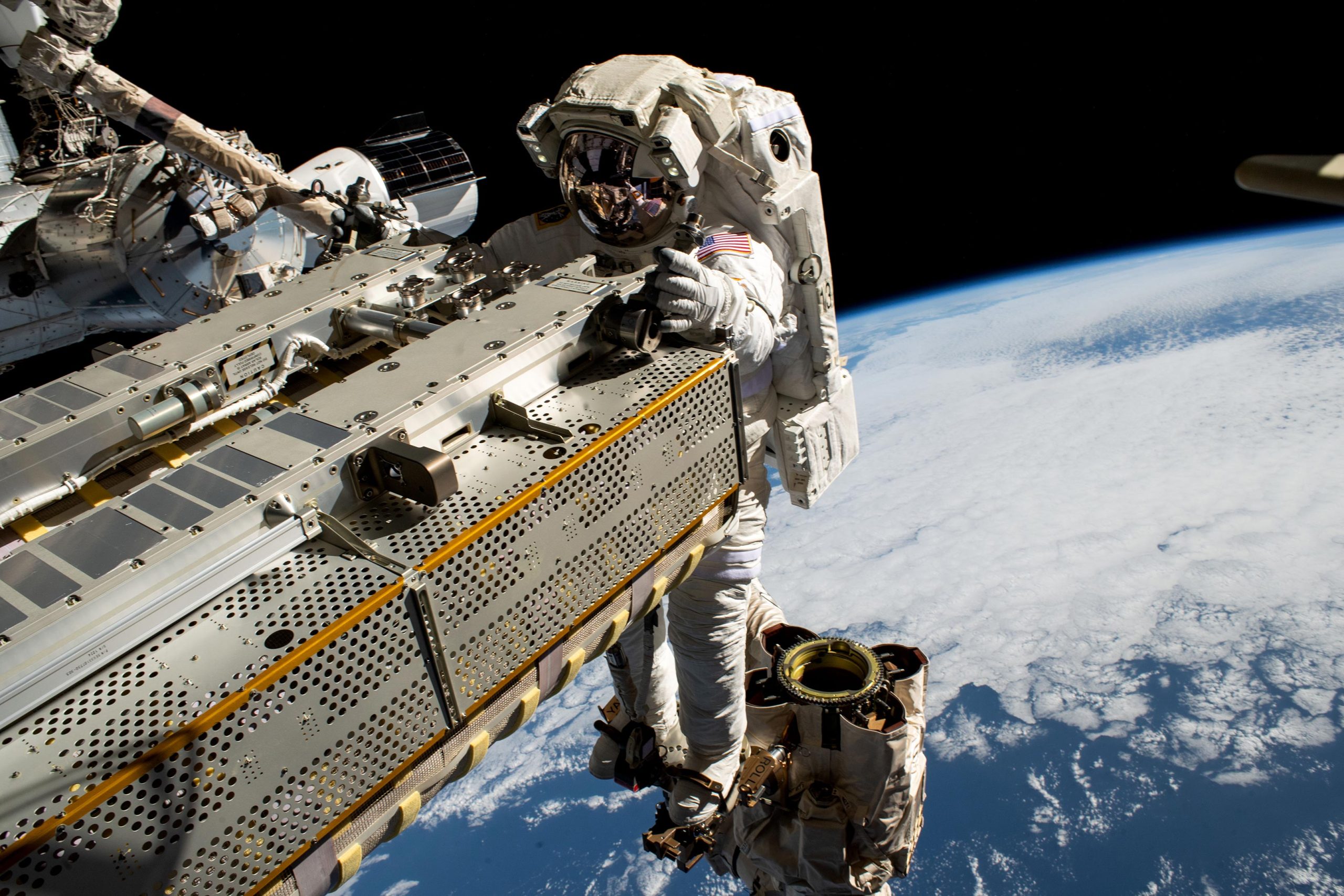
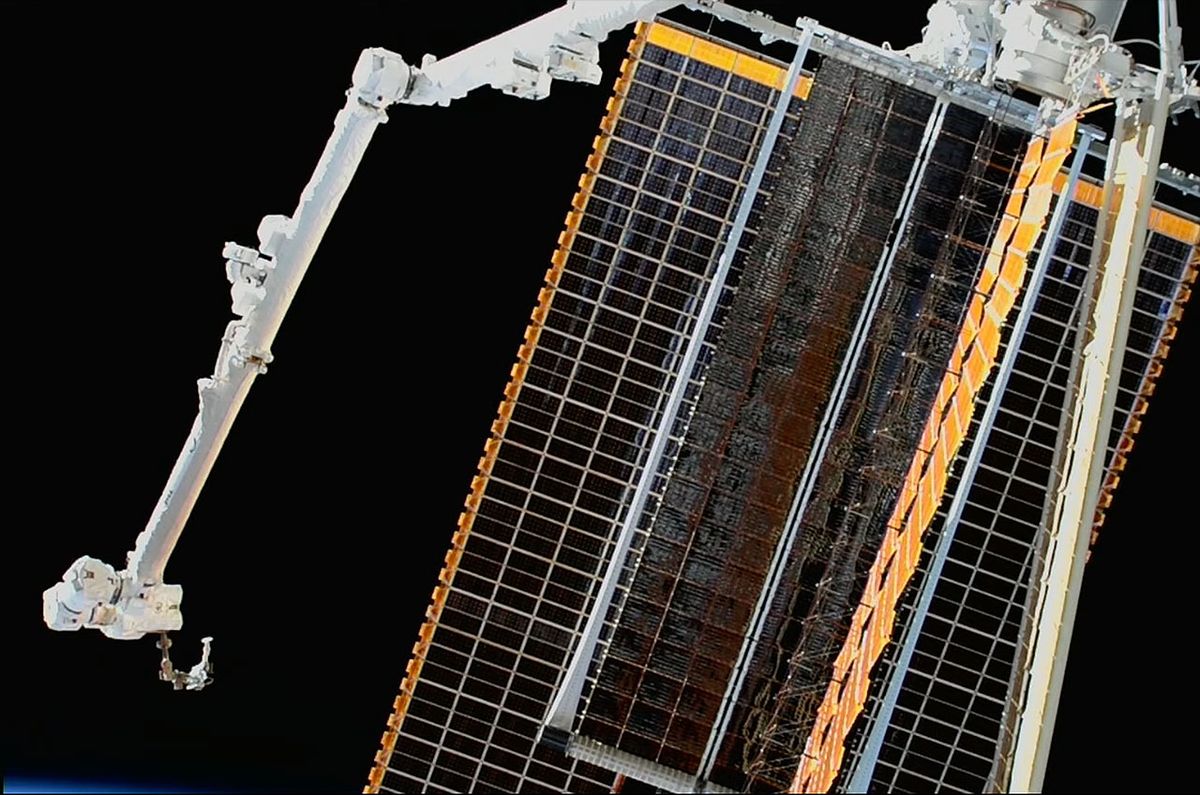
NASA astronauts, Woody Hoburg and Steve Bowen, completed a 5-hour spacewalk to install a new solar array on the International Space Station, boosting power production. The new array is 60 feet long by 20 feet wide and produces more than 20 kilowatts of electricity, enabling a 30% increase in power production over the station’s current arrays. This marked Bowen’s tenth spacewalk, tying the record for most U.S. spacewalks. NASA and Boeing have a plan in place for a fourth set of roll-out arrays to further augment the International Space Station’s power supply.

Space Station Upgrades Power System with Record-Tying Solar Array Installation
spaceflight3 years ago

Space Station Upgrades Power System with Record-Tying Solar Array Installation

NASA astronauts completed the sixth and final upgraded solar array installation outside the International Space Station, increasing the power supply by 30% over the station's legacy arrays alone. The two astronauts tied an American spacewalk record while deploying the International Space Station (ISS) Roll-Out Solar Array (iROSA) on the 1B power channel located on the opposite side of the station's starboard truss. The iROSA is 60 feet long by 20 feet wide and produces more than 20 kilowatts of electricity. NASA and Boeing have a plan for a fourth set of roll-out arrays to further augment the International Space Station's power supply.

NASA Astronauts Conduct Spacewalk to Install New Solar Array
space3 years ago

NASA Astronauts Conduct Spacewalk to Install New Solar Array

Two NASA astronauts are conducting a spacewalk outside the International Space Station to install a roll-out solar array, which will augment the station's current energy-production system. This will be the second spacewalk for Woody Hoburg and Stephen Bowen in less than a week. The entire complement of new arrays will boost the outpost's electricity generation by about 30%.

"NASA astronauts successfully install new solar technology during spacewalk outside space station"
spaceflight3 years ago

"NASA astronauts successfully install new solar technology during spacewalk outside space station"

NASA astronauts Stephen Bowen and Warren "Woody" Hoburg successfully installed and deployed a new solar array outside the International Space Station (ISS) during a spacewalk, marking the fifth roll-out solar array to be installed. The new array is part of a series of upgrades to the ISS's power supply, and once all the arrays are installed, they will enable a 30% increase in power production over the station's legacy panels.

space3 years ago

Astronauts successfully install new solar array during spacewalk outside space station.

Astronauts Steve Bowen and Woody Hoburg conducted a spacewalk to install and unroll an upgraded solar array wing delivered to the International Space Station by a SpaceX Cargo Dragon supply ship. The new solar array will produce electricity for the space station’s 1A power channel. The astronauts will connect a “Y” cable to allow power from both the original solar array and the new iROSA to flow into the station’s power grid. NASA is planning to order a final pair of roll-out solar arrays to complete the space station’s electrical upgrade, which will ensure the lab has enough power to support research through the station’s planned retirement date in 2030.