Tag

Spinal Muscular Atrophy

All articles tagged with #spinal muscular atrophy

Novartis Confirms Nine Tumor Cases in Zolgensma Patients, Two Linked to Viral Vector Integration

Novartis Confirms Nine Tumor Cases in Zolgensma Patients, Two Linked to Viral Vector Integration

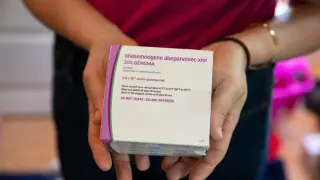
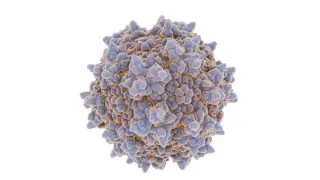
Novartis has confirmed nine reports of tumors in patients treated with Zolgensma for spinal muscular atrophy since its 2019 approval. While the company states that only two cases show evidence of the viral vector integrating into patient DNA, potentially linking the therapy to cancer, the broader discovery has ended a two-decade scientific debate regarding the safety of adeno-associated viruses. This development forces families and regulators to weigh the lifesaving benefits of the gene therapy against newly confirmed risks, prompting calls for improved monitoring and transparent communication from the manufacturer.


Novartis Confirms Two Zolgensma Cases Linked to Gene Integration, Seven Others Under Review
health-and-science18 days ago

Novartis Confirms Two Zolgensma Cases Linked to Gene Integration, Seven Others Under Review

Novartis has disclosed nine total tumor reports among patients treated with Zolgensma for spinal muscular atrophy since its 2019 approval. While seven new cases were recently revealed to neurologists and advocacy groups, the company states that only two of these show evidence of causal vector integration into patient DNA. Regulatory authorities are currently assessing the data, and patient groups are demanding more transparent communication regarding long-term safety risks.

Novartis Confirms Two Zolgensma Tumors Linked to Gene Integration, Igniting Safety Debate
health-and-biotech18 days ago

Novartis Confirms Two Zolgensma Tumors Linked to Gene Integration, Igniting Safety Debate

Novartis confirmed that two patients treated with its spinal muscular atrophy (SMA) gene therapy, Zolgensma, developed tumors caused by the drug’s viral vector integrating into their DNA. While the company acknowledged nine total tumor reports since the drug’s 2019 approval, it maintains that only two cases show evidence of causal vector integration. The disclosure, which initially surfaced via social media before official channels, has prompted regulatory review and raised concerns about the adequacy of current post-market surveillance for gene therapies.

Novartis Discloses Seven New Tumor Cases in Children Treated for Spinal Muscular Atrophy
health-and-medicine19 days ago

Novartis Discloses Seven New Tumor Cases in Children Treated for Spinal Muscular Atrophy

Novartis has acknowledged seven previously unknown cases of tumors in children treated with its gene therapy Zolgensma for spinal muscular atrophy. The disclosure, made to neurologists earlier this week and publicized by advocacy groups on Thursday, has raised safety concerns among families and physicians. While regulatory authorities are now examining the cases, Novartis states that only two of nine total tumor reports since the drug’s 2019 approval show evidence linking the tumors to the treatment itself. The development is currently viewed as a potential safety signal rather than a confirmed causal link.

Knee-Worn Robot Enhances Leg Strength in Children with SMA Under Gene Therapy
health6 months ago

Knee-Worn Robot Enhances Leg Strength in Children with SMA Under Gene Therapy

A six-week study of a lightweight knee-mounted wearable robot providing isokinetic resistance improved knee function in six children with type 2 SMA who were receiving gene therapy, increasing quadriceps size by ~20% and more than doubling knee-extension strength, with MRI and nerve tests confirming muscular and neuromuscular gains and parents reporting easier daily movements at home; results suggest home-based rehab could augment gene therapy, though it’s not yet clear if the device offers unique advantages over other high-intensity exercise.

technology6 months ago

Pocket-sized isokinetic trainer yields lasting neuromuscular gains in SMA

A lightweight portable isokinetic training robot (0.96 kg) provides safe, customizable resistance for juvenile SMA type II rehabilitation. In a six-participant trial over six weeks, users improved sit-to-stand ability, showed substantial gains in knee torque, range of motion, and muscular hypertrophy, and exhibited better femoral nerve conduction. Notably, these benefits persisted after discontinuing the device and resuming conventional therapy, indicating that short-term exposure to wearable isokinetic training can yield enduring neuromuscular recovery.

"Miracle at Last: Infant with Spinal Muscular Atrophy Leaves Hospital for Home"
health2 years ago

"Miracle at Last: Infant with Spinal Muscular Atrophy Leaves Hospital for Home"

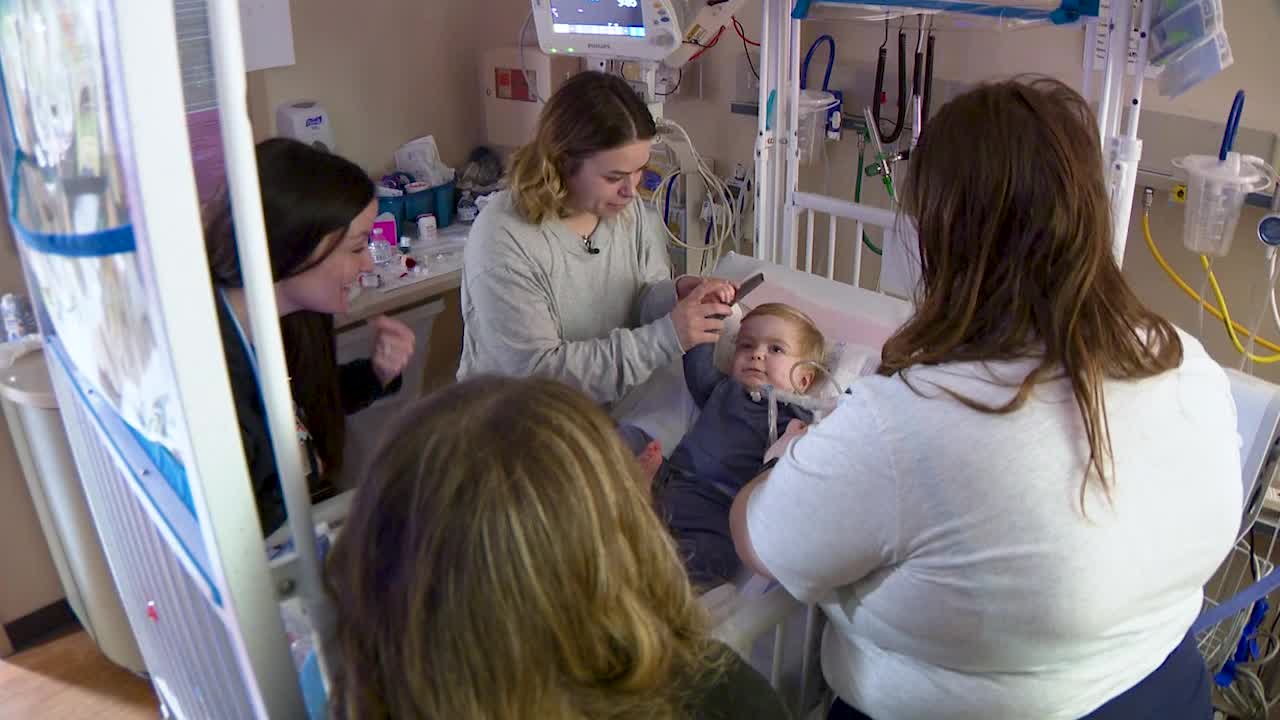
Marshall Bowling, a 14-month-old boy diagnosed with spinal muscular atrophy, received a breakthrough gene therapy at Akron Children’s Hospital, allowing him to go home after a prolonged hospital stay. The $3 million therapy was covered by insurance, but Marshall faced subsequent health challenges, including a collapsed lung and a virus. Shortage of home nursing care posed a challenge, but Marshall's emotional "clap out" marked his departure from the hospital, bringing joy and relief to his family and caregivers.

When a $2 million gene therapy falls short: Exploring the limitations and consequences
healthcare3 years ago

When a $2 million gene therapy falls short: Exploring the limitations and consequences

Patients with spinal muscular atrophy (SMA) who received the gene therapy Zolgensma are increasingly requiring additional drugs, raising questions about the long-term effectiveness and value of high-cost gene therapies. While Zolgensma has shown positive results for many patients, a significant number have needed supplementary treatments to achieve desired outcomes. This challenges the perception that gene therapies can provide a complete cure and raises concerns about the justification of their exorbitant prices. The experience with Zolgensma highlights the need for further research and real-world data to determine the true value and cost-effectiveness of gene therapies.