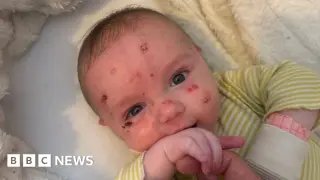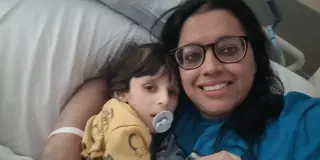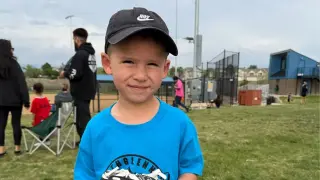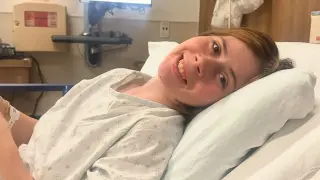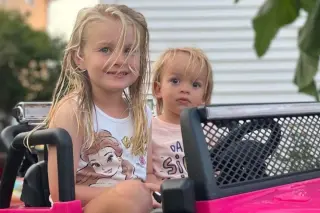
A 5-year-old girl is diagnosed with metachromatic leukodystrophy, a rare genetic disease; her diagnosis leads doctors to test her younger brother, who is found to have the same condition and is now set to begin a $4 million gene therapy that could save his life, while the sister's decline underscores the emotional toll on the family.
A NEJM study shows OpenAI's o3 model aided doctors at Boston Children's Hospital in diagnosing 18 children with previously unsolved rare illnesses, using AI as a diagnostic tool under physician oversight to reach new diagnoses and guide treatment.
OpenAI’s o3 model aided physicians at Boston Children’s Hospital in diagnosing 18 children with previously unsolved rare illnesses; a NEJM study analyzed 376 undiagnosed genomes and found AI contributed to nearly 5% of new diagnoses when used with patient data and doctors’ notes, with clinicians providing final review. One patient, Kyra Benton, was diagnosed with myofibrillar myopathy after years of uncertainty, illustrating AI’s potential as a tool to accelerate rare-disease diagnoses rather than replace clinicians.
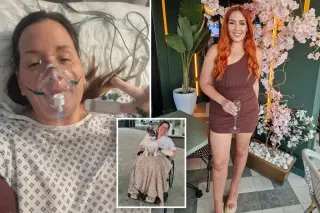
A 38-year-old woman woke with gym-style aches and rapidly lost movement in her legs and arm, later being diagnosed with extrapulmonary sarcoidosis that affects the limbs but not the lungs. After extensive testing and hospital care, she was treated with methotrexate before switching to adalimumab, moved back to the UK for ongoing care, and now relies on 24-hour support and a wheelchair during flare-ups. Her life has drastically shifted from travel and work to chronic pain and limited mobility, with ongoing treatment and limited medical literature on her condition.
A Californian died from a rare disease after trapping, feeding and breeding wild rats inside an RV, highlighting serious health risks associated with handling pests in confined spaces.
An Ohio couple learns, after genetic testing, that both parents unknowingly carried the same rare mutation, leaving their two children Roman (7) and Stella (6) diagnosed with Acid Sphingomyelinase Deficiency (ASMD), Niemann-Pick Disease Type A/B. The disease can cause liver issues, vomiting, seizures and neurodegeneration; with no cure, the family has pursued aggressive treatments to slow progression, including bi-weekly infusions, while navigating pregnancy and caregiving. Their children have lived beyond initial life expectancy, and the parents have become advocates to improve access to treatment for other families dealing with ASMD, emphasizing resilience and hope.
In Nova Scotia, Eric Poulin has auto-brewery syndrome, a rare condition where gut microbes ferment alcohol, causing intoxication without drinking; diagnosis took nearly 10 years, with limited effective treatments and ongoing exploration of a fecal microbiota transplant, while his wife advocates via a symptom-tracking app and he has been out of work since 2023.
After 18 years of seizures, developmental delays and a string of diagnoses that never fit, Lucia Adarve was diagnosed with PPP2R5D-associated neurodevelopmental disorder (Jordan syndrome) via whole-genome sequencing at the Cleveland Clinic Undiagnosed Disease Clinic. The breakthrough provides a clear management plan, reduces seizures, connects the family with support and clinical trials, and gives Lucia a path toward greater independence, ending a long diagnostic odyssey fueled by persistent advocacy from her mother.
After a failed stem-cell transplant, a 13-month-old boy received a novel gene-therapy treatment and initially made progress, but a routine scan later revealed a golf-ball-sized brain tumor; scientists say the tumor may be linked to the gene-therapy viruses, highlighting the need to weigh life-saving benefits against rare but serious risks in such approaches.
Rocket Pharmaceuticals announced that the FDA granted accelerated approval for KRESLADI (marnetegragene autotemcel), an autologous hematopoietic stem cell–based gene therapy for pediatric patients with severe LAD-I due to ITGB2 variants who lack an HLA-matched donor. Approval is based on increased neutrophil CD18/CD11a expression and will rely on longer-term follow-up data and a post‑marketing registry to confirm benefit. The FDA also awarded Rocket a Rare Pediatric Disease Priority Review Voucher, which the company plans to monetize. LAD-I is ultra-rare and causes recurrent life-threatening infections; safety concerns include infections during conditioning, veno-occlusive disease, engraftment failure, potential insertional oncogenesis, hypersensitivity, anti-retroviral interactions, and possible HIV test false positives, necessitating long-term monitoring. A conference call is planned for March 27, 2026.
A 24-year-old Arizonan developed botulism after sampling a small piece of fermented swordfish, leading to paralysis and respiratory failure. She required antitoxin and a respirator, and two friends who tried the swordfish also fell ill. She is recovering and could be discharged soon, planning to avoid fish for now; experts note food botulism remains rare in the U.S., with only about two dozen cases annually.
A 24-year-old Phoenix wedding planner developed life-threatening botulism after she and friends ate a homemade fermented swordfish. She required hospitalization, a ventilator, and an antitoxin; two friends also contracted botulism. The illness is extremely rare in the U.S., with about two dozen cases annually, and her recovery is expected to be lengthy.
A 24-year-old Arizona wedding planner developed life-threatening botulism after sharing a friend's homemade fermented swordfish; she required ventilation and an antitoxin at Barrow Neurological Institute and is slowly recovering, while five friends who ate the dish include two who also contracted botulism. A fundraiser has been started to cover medical costs, and doctors note that food botulism is extremely rare, with about two dozen U.S. cases annually.
Shane DiGiovanna, born with epidermolysis bullosa, a rare condition that makes skin as fragile as a butterfly’s wing, helped spur the Shane DiGiovanna Act to require a Department of Health and Human Services study on Medicare coverage of bandages for EB, addressing massive out-of-pocket costs and state coverage gaps; the bill, introduced by Rep. Greg Landsman, seeks bipartisan support and would pave the way for potential coverage mandates if the study finds long-term savings, all while DiGiovanna remains in hospice care with terminal cancer.
FDA approves leucovorin for a rare disorder without new trial data, while STAT reports that Boris Nikolic—once linked to Jeffrey Epstein—was quietly helped by investor Alexis Borisy to stage a biotech comeback, and notes ongoing probes into FDA drug-rejection decisions.