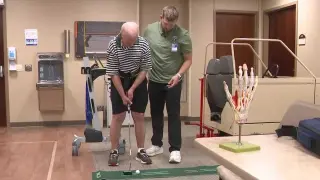
An 80-year-old Des Moines stroke survivor received a vagus nerve stimulation implant paired with rehab; after one week his handwriting improved, and doctors say the FDA-approved device could become more common to aid upper-limb recovery in stroke patients, with researchers cautiously exploring broader benefits.
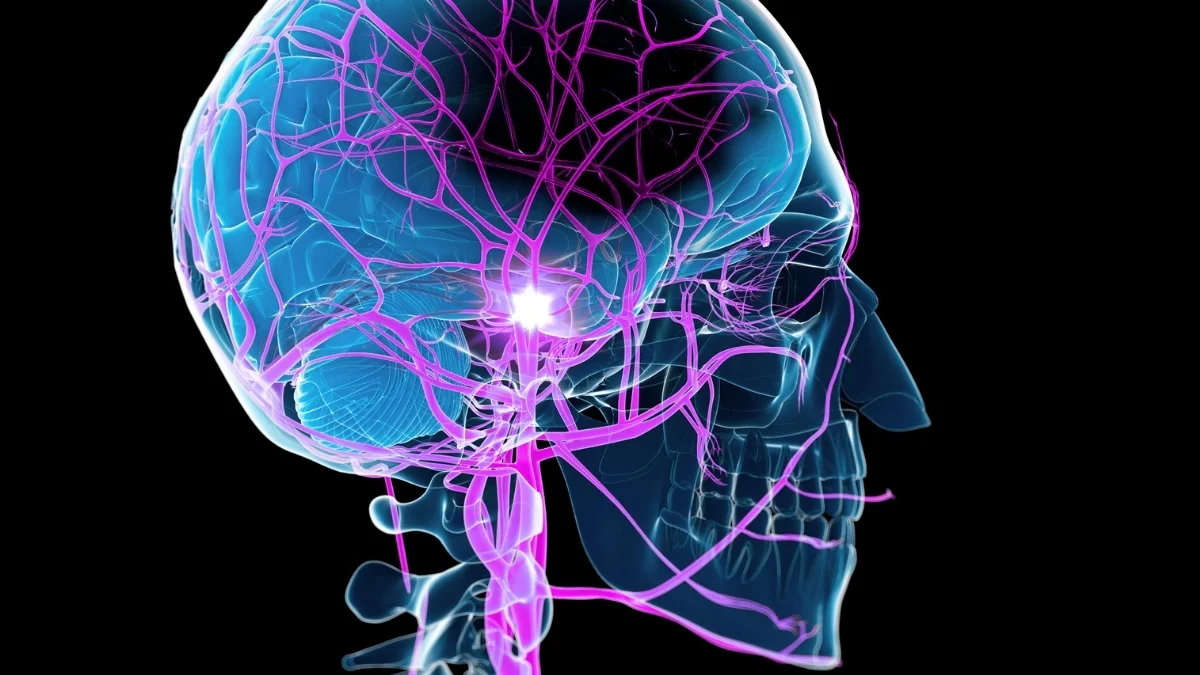
A woman who had been unable to form intelligible speech for 20 years after a stroke can now generate spoken sentences again using an implanted electrode array that reads her speech intent from the motor cortex and a software decoder that produces a near-real-time synthetic voice resembling her pre-injury voice. In the BRAVO trial, the system achieved a median latency of about 1.67 seconds from the go cue to the onset of synthesized speech (2.61 seconds on a smaller set), and streamed roughly 46.5 words per minute, improving on earlier eight-second delays. However, results come from a single participant with a unique implantation site; the technology does not read inner thoughts, requires substantial calibration, and remains investigational with questions about generalizability, long-term safety, and home use still unresolved.
A randomized trial of more than 50 chronic stroke patients found that training the less-impaired arm for five weeks improved everyday hand tasks more than training the most-impaired arm, with gains persisting for six months, suggesting a positive feedback loop where better arm function leads to more use and further improvement.
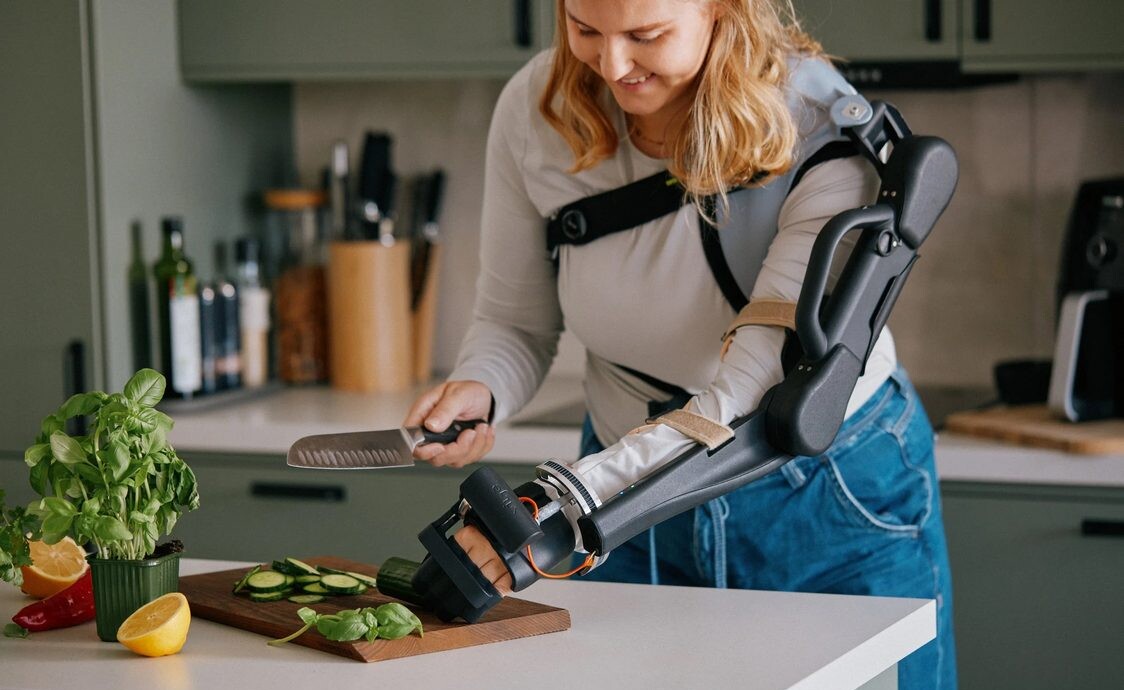
Vilje Bionics in Norway has developed the world's first full-arm exoskeleton, Vilpower, to help stroke victims regain arm movement and independence by amplifying tiny residual movements, with plans for commercial release in 2026.
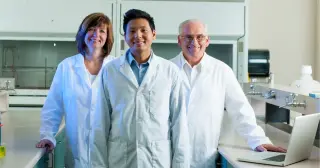
Researchers at the University of California have successfully implanted electrode implants into the brain of a stroke victim, enabling her to regain her ability to speak after 18 years. Using artificial intelligence, the team trained an algorithm to detect her brain signals and translate them into sentences, creating an avatar with a voice personalized to her pre-stroke sound. Despite some errors in word selection, the breakthrough offers hope for rehabilitation and highlights the potential of AI in healthcare.