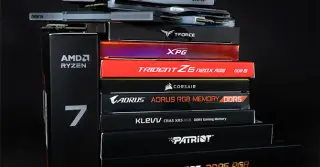
An in-depth hardware test examines whether RAM type and speed still matter with AMD’s Ryzen 7 9800X3D and its 3D V-Cache, by evaluating eight memory configurations to see how DRAM latency interacts with the processor’s large cache and Infinity Fabric interconnect.
OpenAI confirms a partial outage affecting ChatGPT and ChatGPT Work across multiple subscription plans, causing elevated latency and errors; Plus subscribers are particularly affected as Work mode becomes unavailable for some users. OpenAI says it is investigating and implementing mitigations, with the outage first noted around 11:04 AM ET on Aug 31 and ongoing as of 12:02 PM ET.
A woman who had been unable to form intelligible speech for 20 years after a stroke can now generate spoken sentences again using an implanted electrode array that reads her speech intent from the motor cortex and a software decoder that produces a near-real-time synthetic voice resembling her pre-injury voice. In the BRAVO trial, the system achieved a median latency of about 1.67 seconds from the go cue to the onset of synthesized speech (2.61 seconds on a smaller set), and streamed roughly 46.5 words per minute, improving on earlier eight-second delays. However, results come from a single participant with a unique implantation site; the technology does not read inner thoughts, requires substantial calibration, and remains investigational with questions about generalizability, long-term safety, and home use still unresolved.
A long-running PCMag test of Starlink through 2026 shows a maturing network: hardware upgrades (Dish V2/V4 and Starlink Mini) plus new price tiers (Residential Max, 200, 100) broaden options, but real-world download speeds on the top plan hover around 145–170 Mbps (peaking higher, with tests up to 265 Mbps), well below the advertised 400 Mbps. Uploads have improved (roughly 20–80 Mbps) and latency has hit a new low (average ~21.5 ms, with most results under 30 ms), indicating strong consistency even as the user base grows. The value now leans more toward congestion management and priority during peak hours than sheer speed, a dynamic shaped by IPO pressures and looming competition (e.g., Amazon’s Leo). For rural users, Starlink remains a solid DSL alternative; however, the best plan depends on whether you prioritize lowest cost or the steadier, higher-priority connection during busy times.
TP-Link says its first Wi‑Fi 8 router, the Archer 8, will ship in October, claiming real‑world reliability and lower latency than Wi‑Fi 7, with additional Wi‑Fi 8 devices planned for 2027.
Tom's Guide tests the ReMarkable Paper Pure, a 10.3-inch monochrome digital paper tablet priced at $399 (or $449 for the bundled kit). The author finds the handwriting experience surprisingly tactile and closer to writing with pen on paper than an iPad, thanks to a low 21 ms latency and the lack of a backlight, though it feels like a regression for keyboard users. It’s a distraction-free note tool with file transfer, AI handwriting cleanup, and calendar integration, but its lack of color and a web browser makes it more of a smart notepad than a full tablet.
The article argues TT Games is using frame generation to advertise 60 FPS for Lego Batman: Legacy of the Dark Knight, even though native rendering is as low as 1440p/30 FPS and 635p/30 FPS on minimum hardware, with frame generation often reducing actual render rates. While output looks smoother, latency increases, making the experience feel like 30 FPS (or 15 FPS at the minimum) rather than a true 60 FPS. Frame generation should be optional and not used to mask poor optimization; the move to Unreal Engine 5 has raised PC performance concerns, and developers should optimize for real native performance rather than rely on generated frames to inflate perceived performance.
Bluetooth 6.0 introduces significant improvements in latency, security, location tracking, and power efficiency, with devices like phones and headphones already adopting the new standard. However, it does not yet support lossless audio streaming, though future updates may enable high-res audio transmission. The upgrade promises better connectivity, longer battery life, and enhanced security for wireless devices.
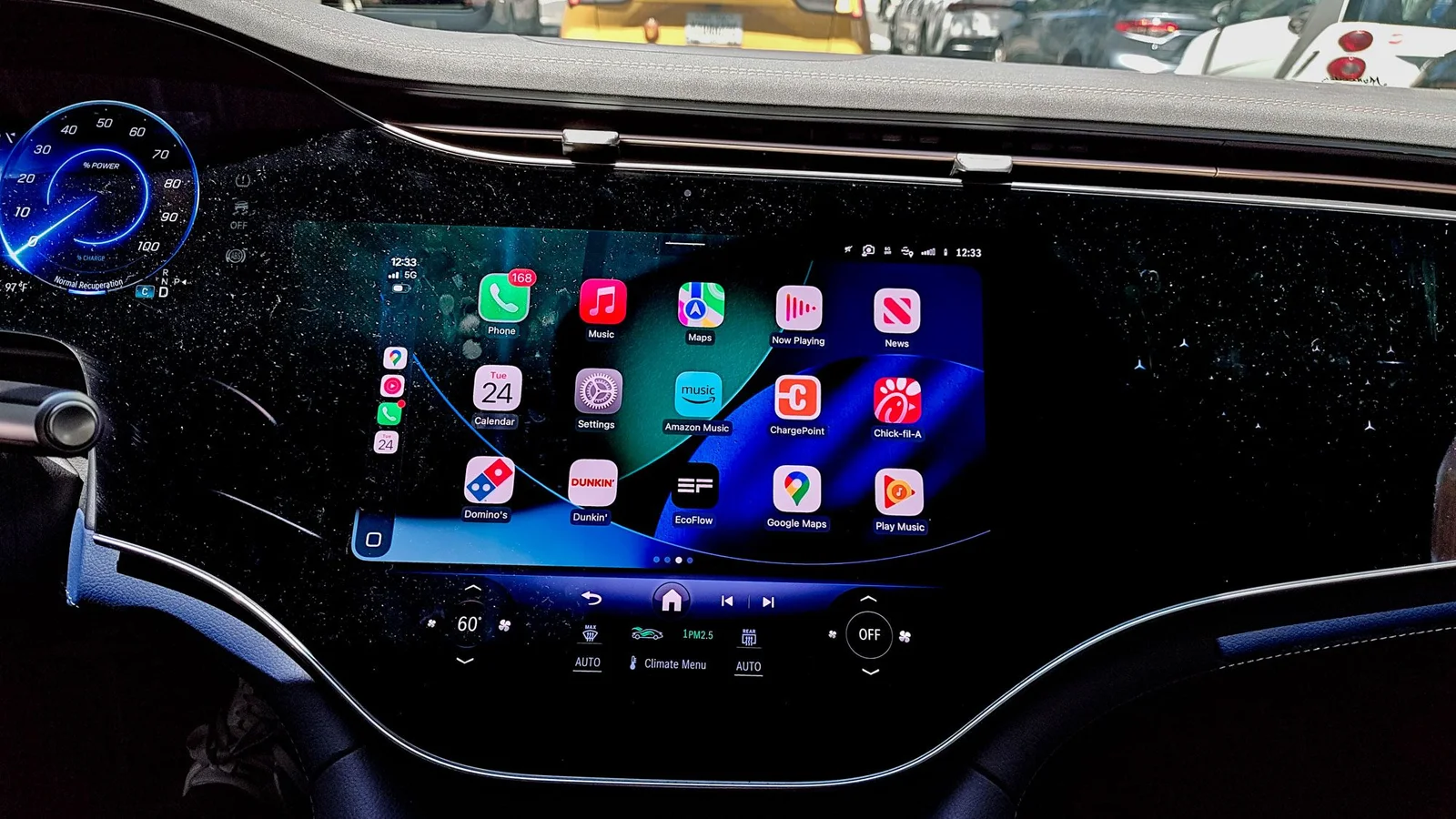
The author has changed his view on wireless CarPlay and Android Auto, now favoring wired connections due to less battery drain, cooler phone temperatures, and reduced latency, which improve overall usability and device longevity.
NVIDIA's GeForce NOW cloud gaming service has received a major upgrade with new RTX 5080-class servers, offering significant performance improvements, support for high resolutions and frame rates, and new cinematic quality streaming features. While visual quality now closely rivals local gaming, latency remains a challenge, especially for competitive play, though the platform offers a quieter, more energy-efficient alternative to local gaming.
Despite several years of deployment, 5G has largely fallen short of its lofty promises, offering modest speed improvements, spotty coverage, and limited real-time application benefits, with many of the advanced features still in development and the technology not yet a game changer.
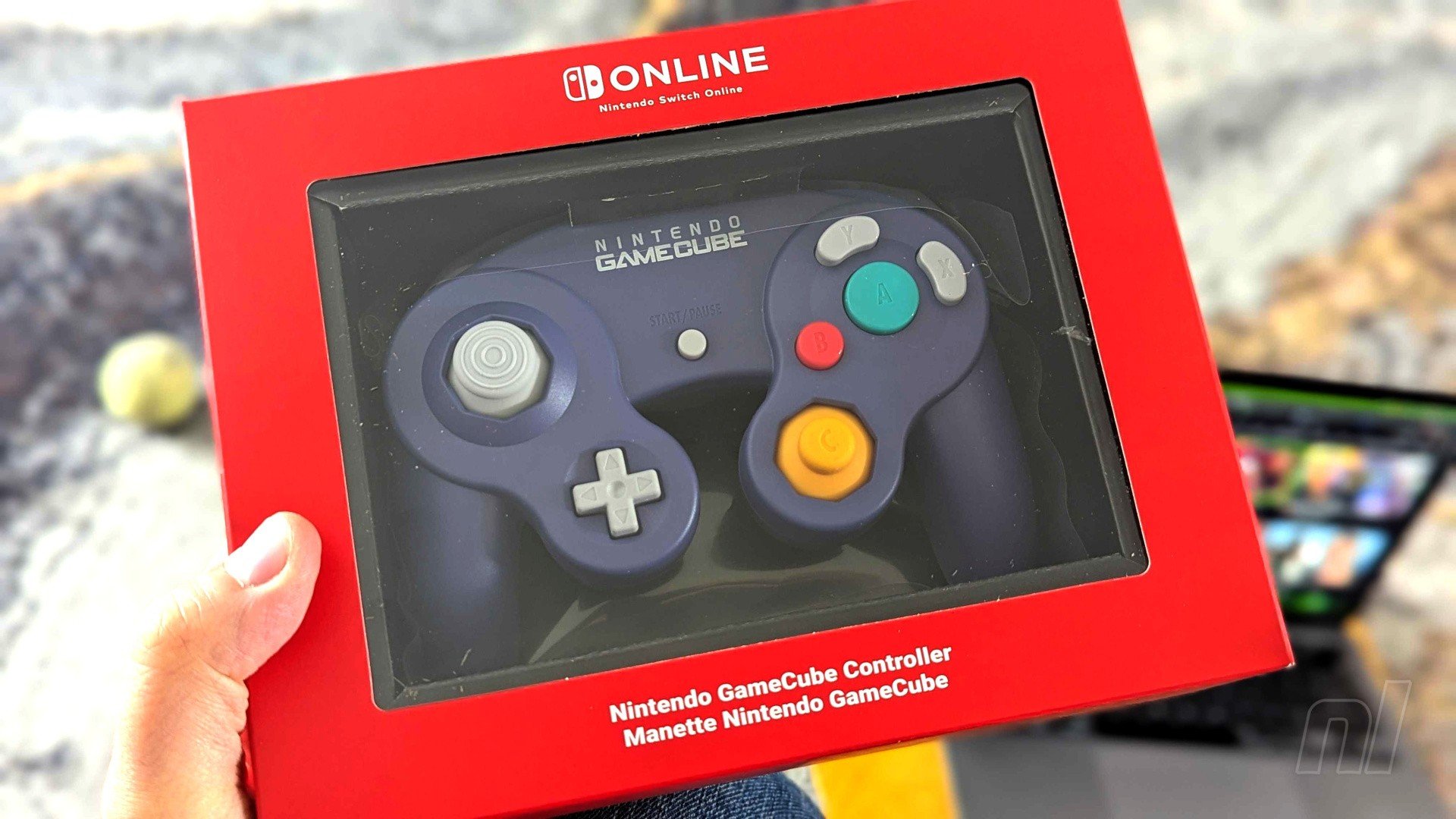
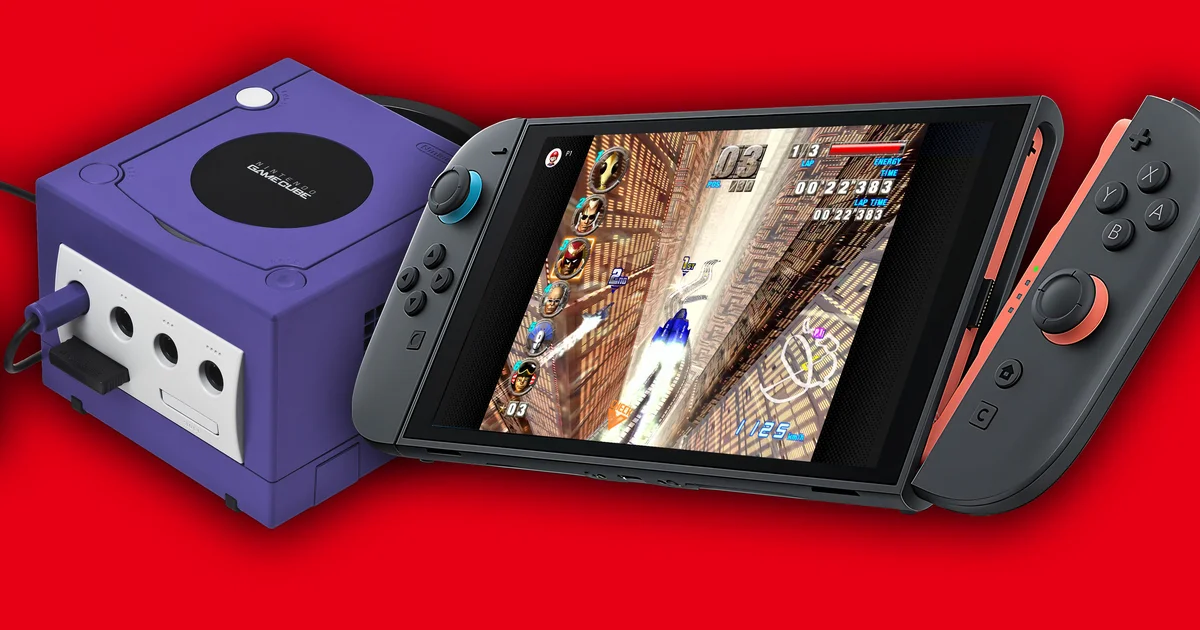
Digital Foundry tested the Switch 2's GameCube emulation, finding that while the games are faithfully represented, there are issues with input latency, analogue stick sensitivity, and frame drops that Nintendo needs to address for a more authentic experience.
Nintendo Switch 2's support for GameCube classics offers improved graphics and performance but introduces notable input lag (~50ms) and some emulation issues like frame drops and controller sensitivity, which may impact gameplay, especially in timing-sensitive titles like F-Zero GX.
UVA scientists have discovered that small variations in the Rev-RRE axis, crucial for HIV RNA export, significantly influence the virus's ability to replicate and reactivate from latency, offering new insights that could improve strategies to cure HIV by enhancing latency reversal approaches.
Amazon's development of an AI-powered version of Alexa faces significant challenges, including latency issues and compatibility problems with older Echo devices, according to leaked internal memos. These issues could delay the release of the new Alexa, codenamed Banyan, until 2025. The memos also reveal concerns about customer satisfaction and the limited number of Skills available at launch. Amazon aims to enhance Alexa's capabilities to compete with other tech giants in the AI space, but internal documents suggest substantial work remains to meet these goals.