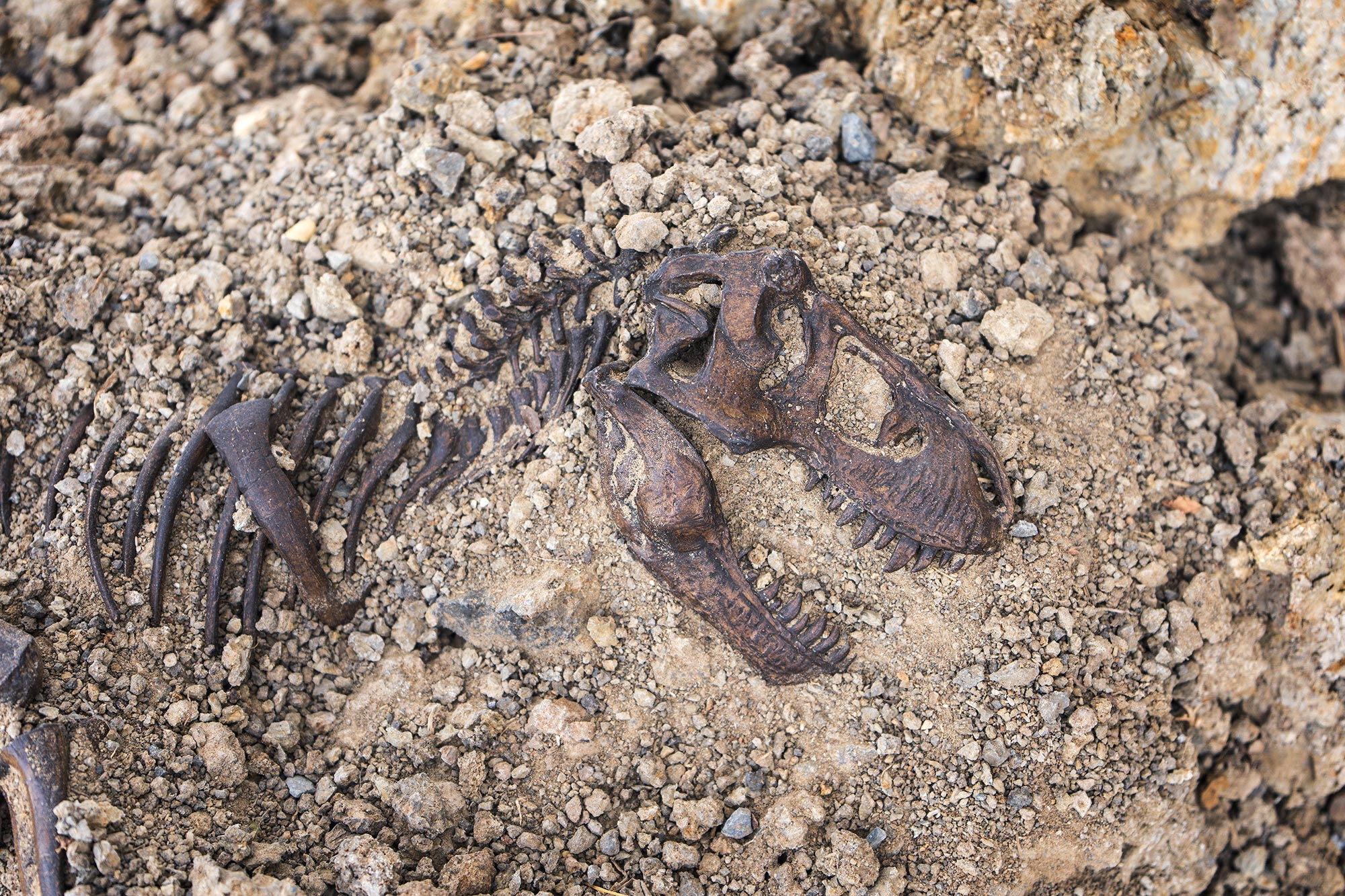
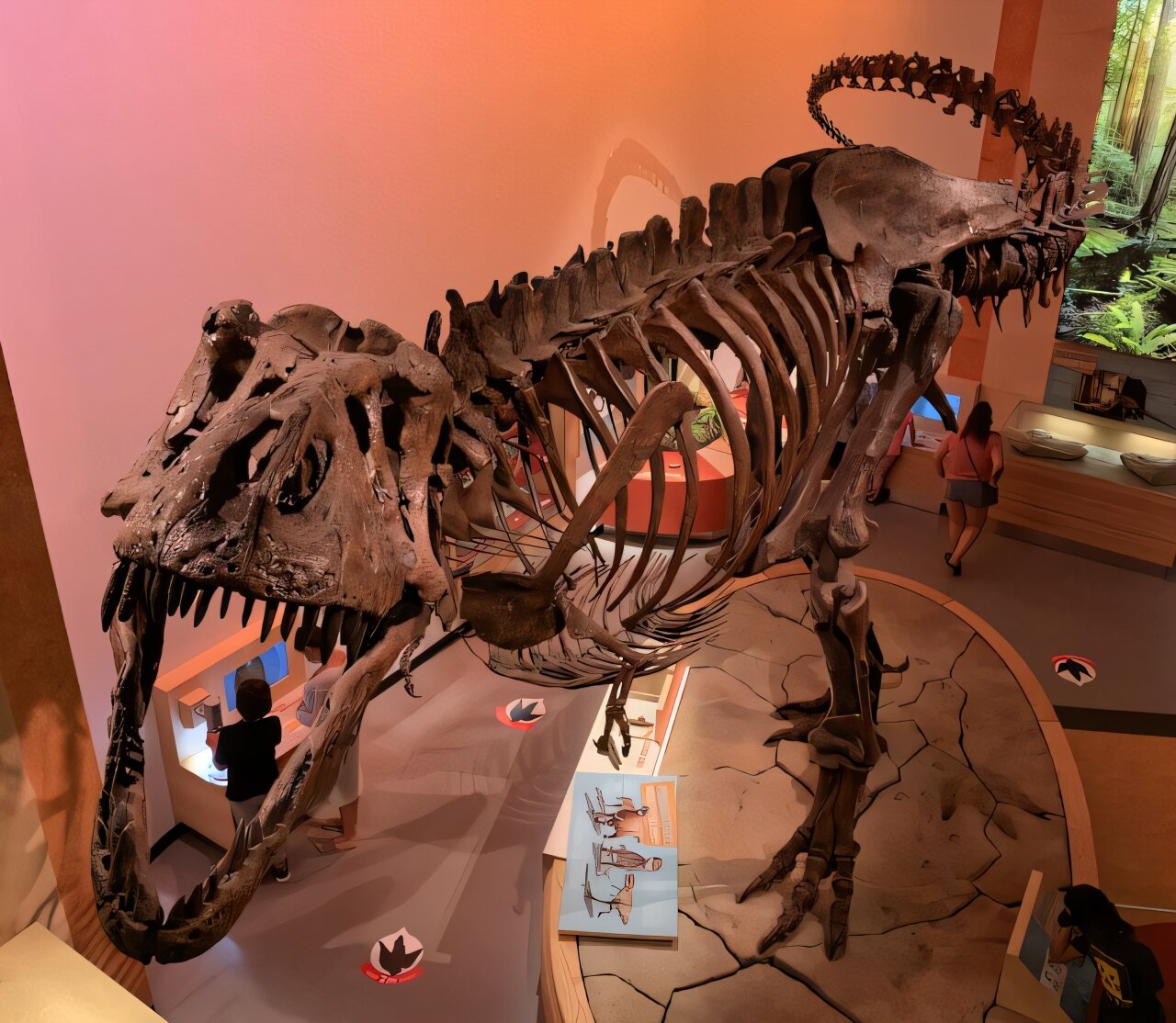
Scientists used advanced synchrotron X-ray imaging to discover preserved blood vessels in a T. rex fossil, Scotty, revealing new insights into dinosaur biology, injury healing, and fossilization processes, which could enhance future paleontological research.
A physicist and research team discovered preserved blood vessels in the largest T. rex fossil, Scotty, using advanced 3D modeling and synchrotron X-ray technology, providing new insights into dinosaur healing and soft tissue preservation, which could revolutionize paleontology research.
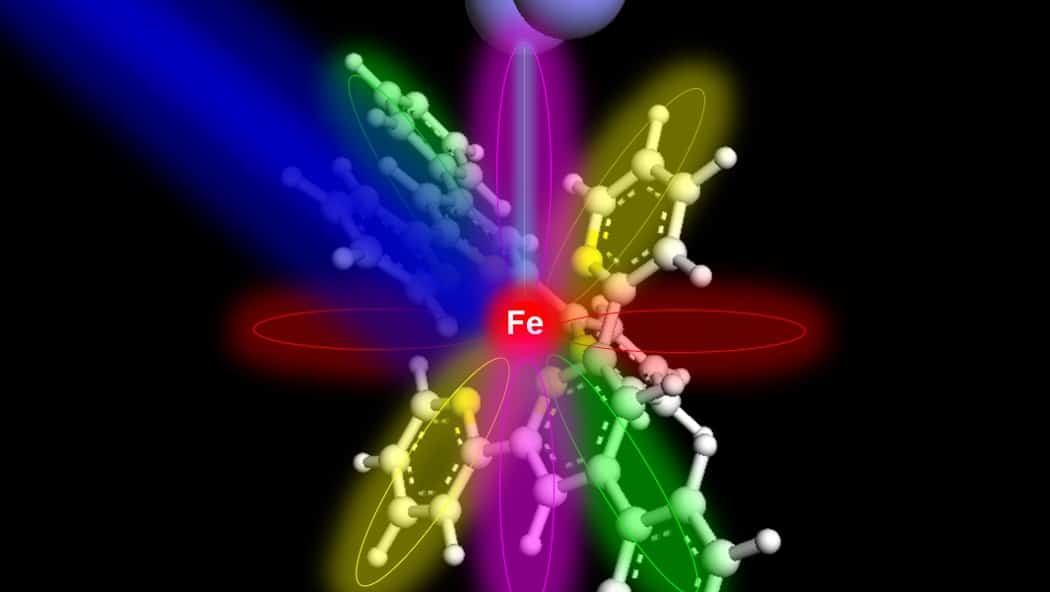
Researchers at Argonne National Laboratory have achieved the single-atom limit in synchrotron X-ray scanning tunnelling microscopy, allowing for the characterization of materials at the atomic level. By adding a sharp metallic tip to a conventional X-ray detector, they were able to detect X-ray-excited core-level electrons in samples containing iron or terbium atoms. This breakthrough has important implications for various fields, including medical and environmental research, as it enables the investigation of individual atoms and their chemical properties. It also opens up possibilities for designing advanced materials and exploring magnetic properties for spintronic and quantum applications.