Barcelona dominated Feyenoord with a five-goal performance, led by Raphinha, Adeyemi, and Yamal, as Hansi Flick’s side blend aggressive pressing with controlled possession. The lineup’s depth and a refined defensive approach mark a tactical evolution for Barca, suggesting title-contender potential despite upcoming tests like PSG in October.
A Warhammer Community piece sharing Rob from the Warhammer Design Studio’s guidance for building a Goliath gang in Necromunda. It covers keeping a squad of 8–10 Fighters with roles in Close Combat, Objective Control, Suppressing Fire, and Utility, while leveraging sturdy close-quarters power, strong melee weapons (UnWieldy trade-offs considered), and ranged options like the stub cannon. It highlights gene-smithing choices (Adaptive Mind, Redundant Organs) to tailor fighters, and emphasizes campaign development through Advancements, Train actions, Work Territory for credits, and use of the Trading Post and Doc/Fit Bionics. The article also notes the new House Goliath Underhive Journal and a first Necromunda FAQ released with the edition, plus practical tips for adapting to different enemy rosters and scenarios, with the if-it-feels-fun-it’s-okay ethos at its core.
Star Wars Zero Company is a Star Wars-flavored, XCOM-inspired tactical game from Bit Reactor. It nails deep micromanagement, resource budgeting, and satisfying mission design, with strong map layouts and clever operator customization. The story is serviceable but not the main draw, making the game a solid pick for fans of Star Wars and tactical strategy even if the narrative doesn’t elevate the experience.
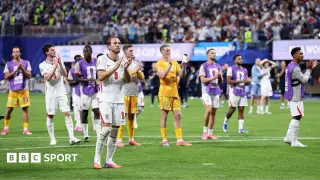
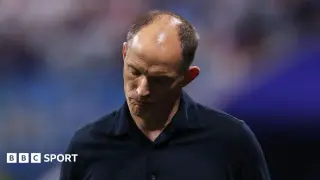
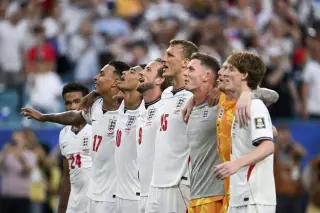
Thomas Tuchel explains to British papers that England grew too passive after conceding a goal and struggled to keep ball possession, stressing the need to be more active and push out to the wings. While the FA backs him, player criticism could shape the run-up to European Championship qualifying, and England will review the World Cup campaign after the bronze‑medal match with France as they prepare for qualifying.
Tuchel’s England pursues a system-first, identity-led approach aimed at replacing Southgate’s player-first style, selecting players to fit a plan and using wide triangles and quick build-up. But like Southgate, he has struggled to impose it against elite opposition, most notably in the World Cup defeat to Argentina, suggesting neither approach alone has solved England’s big-game issues and a hybrid of tactical rigor and talent may be needed.
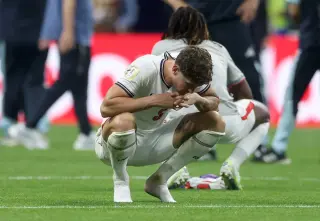
England’s World Cup semi-final loss to Argentina has sparked a wide-ranging debate over Thomas Tuchel’s tactical switch to a back five, his defence rotation, and England’s midfield choices. Pundits question whether sticking with a back four might have preserved the lead and why key selections, including Kobbie Mainoo’s absence, were made. The FA have reiterated their backing of Tuchel through Euro 2028, while Kane’s form and future are scrutinised as England head into the bronze-medal clash with France and seek a more assertive, stable approach for 2028 and beyond.
A tactical analysis argues England’s major-tournament exits follow a familiar arc: they start strong, invite pressure, and fail to sustain attacking momentum, a pattern that persists even under foreign coaches like Thomas Tuchel. The piece traces in-game adjustments (such as England adopting a back five against Argentina) and contends that English players and the system resist a genuine tactical shift, meaning coaching changes alone are unlikely to break the cycle.
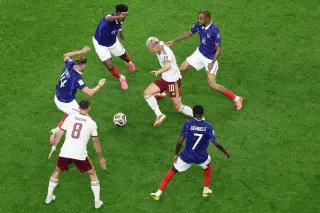
Spain produced one of the World Cup’s most complete performances, suffocating France with possession dominance, high pressing, and disciplined defense in a 2-0 win. Rodri and Fabian Ruiz anchored midfield while Olmo threaded play and Baena/Cucurella supplied balance; the team controlled tempo, forced errors, and demonstrated De la Fuente’s cohesive, collective identity.
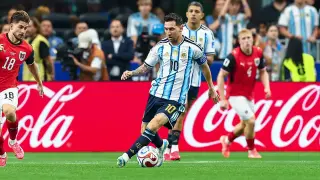
England face Lionel Messi in the World Cup semifinal in Atlanta as Messi continues a blistering run (eight goals, two assists in six games) and eyes a second straight final. The piece argues England should cut off Messi’s supply by pressing high and denying his passing lanes, while wary of Argentina’s narrow midfield that keeps him free to create. England’s plan also hinges on capitalizing with a proactive attack—using Bellingham, Kane and speedy wingers—to unsettle Argentina and force Messi into a more defensive role. Concentration and a brisk, attacking approach may be England’s best defense against the sport’s greatest player.
England face Argentina in the World Cup semi-final in Atlanta, with pundits debating the starting XI amid fitness concerns and the need to balance pace, energy and penalty-takers. The panel weighs Reece James, Bukayo Saka, John Stones, Marc Guehi, Ezri Konsa, and wing options like Noni Madueke, Djed Spence, and Rashford or Gordon, all to maximize control while preserving energy for extra time and penalties.
Spain is pursuing a low-risk, possession-dominant game under Luis de la Fuente, leaning on a stout defense and a measured midfield to grind out results rather than chase flashy wins. With Rodri anchoring and a flexible midfield that can drop Pedri for Fabian Ruiz or Dani Olmo, Spain has tightened its structure and suffocated opponents, as seen in the win over Belgium, setting up a likely France tie and a pragmatic route to World Cup glory.
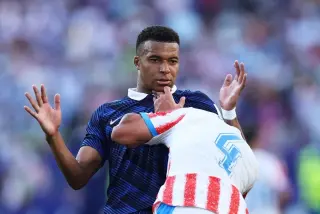
Paraguay frustrated France in a 1-0 World Cup clash in Philadelphia by deploying a stubborn, defensive plan and a wave of gamesmanship, prompting a debate over whether the tactics were disgraceful or a legitimate underdog approach. Mbappé’s second-half penalty settled it, while the referee’s leniency and Paraguay’s theatrics drew heavy criticism even as their disciplined containment of the world champions highlighted a different way to win.
A tactical preview argues England can exploit DR Congo’s 5-3-2, high-press approach by using wide units, long switches and quick passes to pull Congo’s players out of position, while remaining mindful of Yoane Wissa’s threat in the box. England’s higher possession and technical quality give them an edge if they avoid being baited into Congo’s aggressive pressing, with the key plan involving pinning the central midfield, exploiting space behind the wing-backs and balancing short build-up with dangerous switches to create chances.
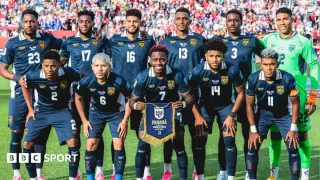
Panama press and defend in a dynamic 4-4-2 that can morph into a 5-3-2 or 5-4-1, posing defensive resilience but limited finishing since Carrasquilla’s injury. England should try to play around Panama by targeting the space between wing-backs and center-backs, keep wide players high, and use Harry Kane’s movement to unlock the lines; Panama’s motivation may be lower since they’re out of the group, though quick counters and crosses from the wings remain a threat.
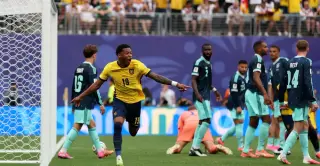
Germany lost 2-1 to Ecuador, snapping their bid for a 12-game winning run as Ecuador pressed with a disciplined block, exploited Germany’s high line, and converted chances; Nagelsmann faced scrutiny for not rotating his squad, potentially leaving Germany fatigued, while Ecuador finally finished their opportunities to reach the knockout stage for the second time in their history.