US weighs third-country relocation for Afghan allies evacuated via Qatar
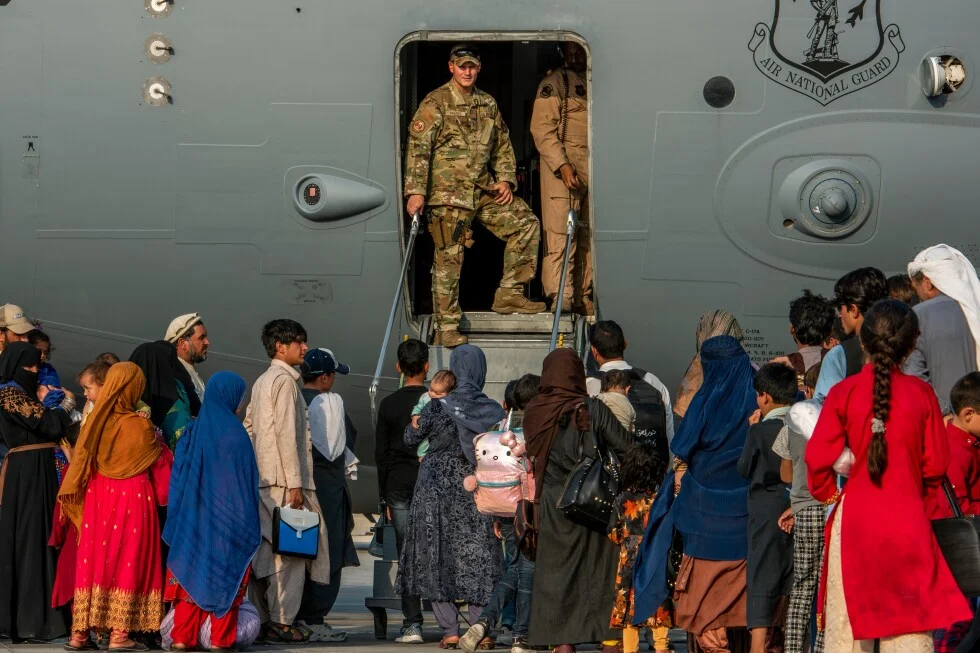
The United States is considering moving Afghans who helped the U.S. war effort and are in Qatar to a different country as part of ongoing refugee/resettlement planning.
All articles tagged with #third country

The United States is considering moving Afghans who helped the U.S. war effort and are in Qatar to a different country as part of ongoing refugee/resettlement planning.

Costa Rica said it will accept 25 migrants deported from the United States each week as part of a deal tied to the Trump administration’s policy of deporting immigrants to third countries.

A Massachusetts federal judge ruled that the Trump administration’s policy of swiftly deporting migrants to third countries with no connection and no meaningful notice violates due process; removals must go to the countries listed on each person’s final removal order, with a meaningful opportunity to challenge, and the ruling paused for 15 days to allow an appeal. The decision followed a case in which eight migrants were diverted to Djibouti instead of South Sudan.

Farah, a 21-year-old Moroccan lesbian with a U.S. protection order, fled violence, sought asylum in the U.S. but was denied and eventually deported through a third-country to Cameroon, then Morocco—raising concerns that third-country removals bypass due process and threaten asylum seekers facing danger.
Uganda has announced it will accept third-country deportees from the US, as part of the Trump administration's broader efforts to increase deportations, including sending Venezuelan immigrants to El Salvador and deporting non-Sudanese nationals to South Sudan. Conditions of the agreement specify that Uganda will not accept individuals with criminal records or unaccompanied minors, and prefers to transfer individuals from African countries. The detailed implementation of the agreement is still being worked out.

The Trump administration has been deporting some serious criminals to third countries like South Sudan and Eswatini, claiming these nations won't accept certain individuals, but recent cases show some were sent home directly after serving U.S. sentences, raising concerns about the legality and humanity of these removals.

The article discusses a surprising prisoner swap involving Venezuelans deported from the U.S. to El Salvador and Venezuela, highlighting the Trump administration's strategy of deporting migrants to third countries, often for political or financial favors, raising concerns about legality and morality.

The Trump administration has initiated a new round of third country deportations, including a flight to Eswatini, as part of its broader immigration enforcement strategy, which involves sending migrants to countries willing to accept them, despite concerns over human rights and legal challenges.

The U.S. Department of Homeland Security has deported five men with criminal convictions to Eswatini in a third-country deportation, as part of a broader effort under the Trump administration to send migrants to countries other than their home nations, citing serious crimes such as child rape and murder.

The Trump administration deported five migrants to Eswatini, a third country, after the Supreme Court allowed such deportations to non-origin countries, citing concerns over migrants convicted of serious crimes; the details of the deal with Eswatini remain unclear.
A new ICE memo allows deportations to third countries with as little as six hours' notice, sparking concern among immigrant communities in South Florida due to the lack of due process and safety guarantees, especially for those with pending asylum claims or no criminal records.

The Trump administration is expanding its use of third-country deportations, sending migrants to nations like South Sudan, amid legal and human rights concerns, including allegations of enforced disappearances and lack of transparency about deportees' whereabouts.

A memo from ICE outlines plans to deport immigrants to countries where they may not be citizens, with minimal notice and without assurances of safety, raising concerns about potential risks and legal violations.

The Trump administration has filed a petition with the U.S. Supreme Court to overturn a federal judge's order requiring additional due process procedures for immigrants being deported to third countries, arguing that the order disrupts diplomatic efforts and exceeds judicial authority, while critics emphasize the importance of due process rights for detainees.