
Tag

Time Restricted Feeding

All articles tagged with #time restricted feeding

Circadian Clock Therapies Boost Stroke Recovery by Enhancing Brain Waste Clearance in Mice
science1 month ago

Circadian Clock Therapies Boost Stroke Recovery by Enhancing Brain Waste Clearance in Mice

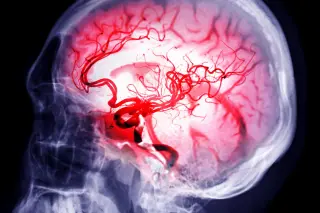
A study in mice found that strengthening circadian rhythms through light exposure, melatonin, the clock-targeting drug KL001, or time-restricted feeding improved glymphatic brain clearance and lowered inflammatory molecules after stroke, even when therapy began three days later, suggesting circadian-based rehab could aid recovery pending human trials.

Time-Restricted Eating Shows Promise in Alleviating Circadian Disruptions in Alzheimer's Model
health2 years ago

Time-Restricted Eating Shows Promise in Alleviating Circadian Disruptions in Alzheimer's Model

New research published in Cell Metabolism suggests that time-restricted feeding (TRF), a form of intermittent fasting, may help mitigate circadian disruptions in Alzheimer's disease. The study conducted on mice with Alzheimer's-like conditions found that TRF improved memory, reduced hyperactivity at night, and decreased sleep disruptions. Molecular analyses revealed changes in gene expression patterns associated with Alzheimer's disease and neuroinflammation, as well as a reduction in amyloid protein accumulation in the brains of the mice. While further research is needed to determine the effects in humans, the findings support the potential therapeutic benefits of time-restricted eating in Alzheimer's disease.

"Promising Intermittent Fasting Strategy Shows Potential for Alzheimer's Treatment"
health3 years ago

"Promising Intermittent Fasting Strategy Shows Potential for Alzheimer's Treatment"

A study conducted by researchers at the University of California San Diego School of Medicine suggests that time-restricted feeding, a form of intermittent fasting that limits daily eating times without restricting food volume, may offer hope for Alzheimer's patients. The study, conducted on mice, showed improved memory and reduced accumulation of amyloid proteins in the brain. The findings indicate that circadian disruptions could be a primary driver of Alzheimer's pathology, highlighting the importance of maintaining a stable internal clock. The researchers believe that this non-pharmacological approach could be a promising target for managing Alzheimer's symptoms and may lead to human clinical trials in the future.