Tag

Glymphatic System

All articles tagged with #glymphatic system

Early Glymphatic Dysfunction May Predict Psychosis Risk
science14 days ago

Early Glymphatic Dysfunction May Predict Psychosis Risk

Researchers tracking 85 people with 22q11.2 deletion syndrome over 25 years found that impaired brain waste clearance (glymphatic function) in childhood is linked to later psychosis. Those who developed psychotic symptoms showed weaker glymphatic development (lower ALPS index) and an excitatory/inhibitory imbalance, suggesting brain-cleaning failures early in life may contribute to psychosis and could offer avenues for preventive interventions.

Sluggish Brain Drain in Childhood Signals Psychosis Risk in 22q11.2 Syndrome
science23 days ago

Sluggish Brain Drain in Childhood Signals Psychosis Risk in 22q11.2 Syndrome

A longitudinal study of children with 22q11.2 deletion shows that early impairment of the brain’s glymphatic waste-clearance system is linked to later psychotic symptoms, likely via hippocampal glutamate excess and reduced GABA inhibition; findings highlight a potential early biomarker and suggest interventions focused on sleep and inflammation to delay or prevent a first psychotic episode.

Neck Lymphatic Bypass Aims to Flush Alzheimer’s Brain Toxins
health1 month ago

Neck Lymphatic Bypass Aims to Flush Alzheimer’s Brain Toxins

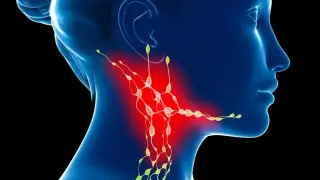
A small study suggests that a neck lymphatic bypass (lymphovenous anastomosis, LVA) could enhance the brain's waste clearance and reduce neurotoxic proteins linked to Alzheimer's disease. While LVA is a standard treatment for lymphedema, using it to aid the glymphatic system in the brain is new; early results reported cognitive and functional improvements, but far more research is needed on standard surgical methods, safety, and long-term outcomes before this approach could be used routinely.

Yawning may cool and cleanse the brain by moving brain fluid, study finds
science1 month ago

Yawning may cool and cleanse the brain by moving brain fluid, study finds

A UNSW study using MRI on 22 volunteers shows yawning shifts cerebrospinal fluid flow in the brain in a way that deep breaths do not, and also increases brain blood flow. This pattern could help cool the brain and aid waste clearance, suggesting yawning has a physiological function beyond signaling boredom or empathy. The yawning motions appear tightly coordinated by brainstem circuitry and often accompany swallowing. The work is a preprint and not yet peer‑reviewed, and further research is needed to confirm these findings in everyday life.

Sleep smarter: reclaiming nights for health and longevity
wellbeing-and-fitness2 months ago

Sleep smarter: reclaiming nights for health and longevity

The Longevity Project argues that adequate sleep—about seven to nine hours a night—is vital for heart health, immunity, and brain function, and it contrasts transient sleep disruption with chronic insomnia aggravated by stress and an always-on culture. It details how the brain and body recover during sleep (glymphatic clearance and telomere stress) and offers practical tips: morning light to set the clock, reduced evening screen time, a pre-sleep worry routine, and simple distraction if you can’t sleep; persistent insomnia may require medical attention.

Sleep Debt Triggers Wakeful Brain Cleanup at Attention's Expense
science2 months ago

Sleep Debt Triggers Wakeful Brain Cleanup at Attention's Expense

MIT researchers found that after sleep deprivation, brief attention lapses coincide with cerebrospinal fluid moving out of the brain—an event normally seen during sleep to clear waste. The brain appears to enter a sleep-like state during wakefulness to restore function, trading attention for fluid flow, with slowing breathing, lower heart rate, and pupil constriction; EEG/fMRI data from 26 volunteers point to the noradrenergic system, and findings were published in Nature Neuroscience.

Rhythmic CO2 Pulses May Boost Brain Waste Clearance in Parkinson's
science2 months ago

Rhythmic CO2 Pulses May Boost Brain Waste Clearance in Parkinson's

Researchers find that brief, rhythmic increases in CO2 (intermittent hypercapnia) can enhance glymphatic clearance and cerebrospinal fluid flow in both healthy individuals and people with Parkinson's, potentially aiding removal of brain toxins such as amyloid-beta; however, the durability of the effect and its impact on disease progression remain unclear.

Poor Sleep and Brain Waste Clearance Issues Elevate Dementia Risk
health5 months ago

Poor Sleep and Brain Waste Clearance Issues Elevate Dementia Risk

Scientists from the University of Cambridge have discovered that the brain's waste clearance system, called the glymphatic system, plays a crucial role in preventing dementia. Factors such as poor sleep, high blood pressure, and smoking can impair this system, leading to the buildup of harmful proteins associated with Alzheimer's disease. Maintaining good sleep habits and cardiovascular health may help support brain cleaning and reduce dementia risk.

Chronic Insomnia May Accelerate Brain Aging and Increase Dementia Risk
health6 months ago

Chronic Insomnia May Accelerate Brain Aging and Increase Dementia Risk

Scientists have discovered that the brain's waste removal system, the glymphatic system, is most active during sleep, and disrupted sleep may impair toxin clearance, potentially increasing dementia risk. While evidence from animal studies supports this, more research is needed to confirm the effects in humans and whether improving sleep can reduce dementia risk.

Best Sleep Positions and Habits to Protect Your Brain from Decline
health7 months ago

Best Sleep Positions and Habits to Protect Your Brain from Decline

Recent research indicates that sleeping on your side, especially the left or right, enhances the glymphatic system's ability to clear toxic proteins from the brain, potentially reducing the risk of cognitive decline and Alzheimer's disease. Proper sleep posture, support, and alignment are crucial for optimal brain detoxification and long-term mental health.

Improving Sleep to Reduce Dementia Risk
health7 months ago

Improving Sleep to Reduce Dementia Risk

Research suggests that good sleep may enhance the brain's waste removal system, the glymphatic system, potentially reducing the risk of dementia by clearing toxins like amyloid beta. Disrupted sleep, sleep disorders such as sleep apnea and insomnia, may impair this process and increase dementia risk, but more research is needed to confirm if improving sleep can prevent cognitive decline.

Breakthrough Alzheimer's Surgery Shows Promise in China
health1 year ago

Breakthrough Alzheimer's Surgery Shows Promise in China

Chinese scientists have reported promising initial results from an experimental surgery aimed at treating Alzheimer's by enhancing the brain's waste clearance system. The procedure, called cervical shunting, connects neck lymphatic vessels to veins to potentially accelerate the removal of harmful proteins. A patient showed cognitive improvements post-surgery, but experts caution that more research is needed to confirm its efficacy. This development is part of broader efforts in Alzheimer's research, with numerous studies and drugs currently in clinical trials.