Péter Magyar’s Tisza Party won a landslide, signaling the fall of Viktor Orbán’s electoral autocracy, as Magyar leveraged insider knowledge, exposed corruption, and built broad rural support to lead a democratic movement.
Peter Magyar's Tisza party secured a decisive local win over Viktor Orban's Fidesz in Szentendre, underscoring rising anti-corruption sentiment and signaling potential momentum for Hungary's opposition.
European leaders welcomed the partial results showing opposition leader Péter Magyar of the Tisza party as Hungary’s parliamentary winner, with celebrations in Budapest as supporters react to the electoral outcome.
Peter Magyar's center-right Tisza party defeated Viktor Orban's Fidesz in Hungary's parliamentary election, likely winning a two-thirds majority and signaling a shift toward a pro-EU, Western-aligned government with promises of anti-corruption reforms and renewed access to EU funds.
Hungary’s opposition Tisza party, led by Péter Magyar, won a parliamentary majority (projected 138 of 199 seats), ending Viktor Orbán’s 16-year rule and giving the new government power to amend the constitution and reverse key policies. Orbán conceded after a high-turnout vote, while Magyar pledged to repair ties with the EU, fight corruption, and invest in public services. Analysts warned reform will be gradual given Fidesz’s long control of state institutions. The result elicited swift reaction from EU leaders and could reshape Hungary’s stance toward the EU and Kyiv, signaling a potential turning point for Europe’s populist dynamics.
With about 45% of ballots counted, the center-right Tisza Party is projected to win 135 of 199 seats, giving it a constitutional supermajority and signaling an end to Viktor Orbán’s 16-year rule. Led by Peter Magyar, the party framed the vote as a referendum on Hungary’s direction and integrity, while Orbán campaigned on his stance toward Russia and Ukraine amid concerns from EU watchdogs about Hungary’s democracy.
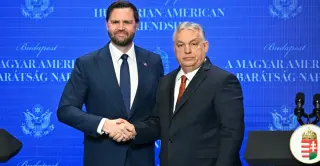
An op-ed argues JD Vance’s Budapest visit before Hungary’s parliamentary elections underscored a widening gap between Viktor Orban’s international push—backed by a MAGA-style alliance—and voters’ mounting domestic pains, including healthcare collapse and rising living costs; with Peter Magyar’s Tisza party reshaping the race, the visit did little to sway undecided voters or boost Orban’s standing, despite arms and oil deals and talk of future U.S. engagement.
Viktor Orban built a centralized, patronage-based regime—funded in large part by EU funds—and insulated it with propaganda and co-optation, a system now challenged by Peter Magyar’s Tisza Party ahead of Hungary’s April 12 elections. If Magyar wins and results are accepted, Hungary could return to democracy; if Orban clings to power, the regime could deepen autocracy and widen ties with Russia, with major implications for the EU and NATO.
Hungary’s 2026 vote pits Viktor Orbán’s long-running rule against Péter Magyar’s Tisza, with polls suggesting the challenger leads. A Magyar victory would unsettle the MAGA-aligned autocracy model and potentially weaken Moscow’s influence, while an Orbán win could entrench the regime and its global sway.
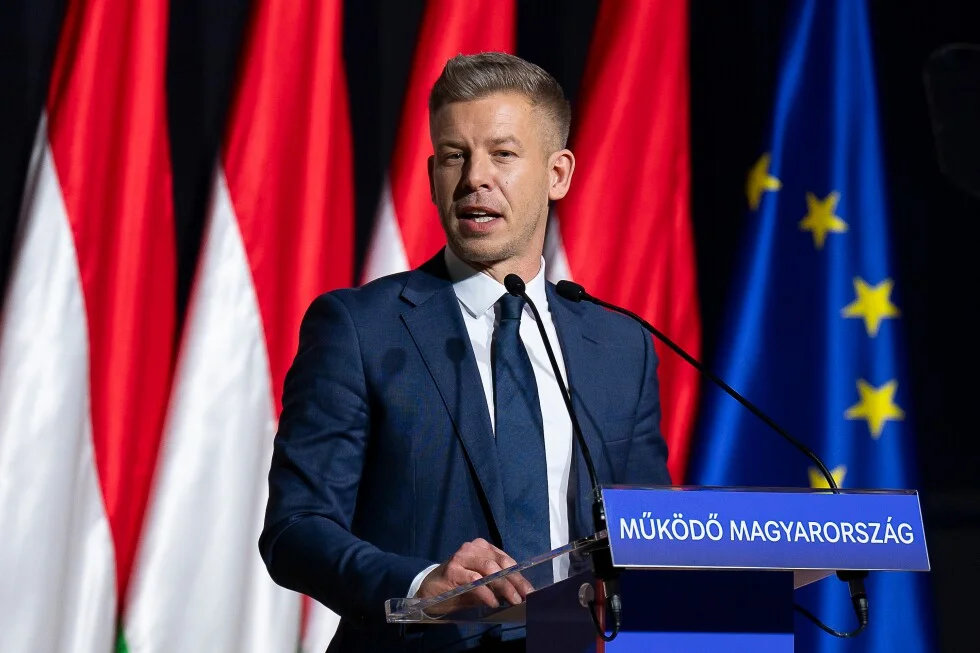
Hungary’s opposition leader Péter Magyar launched the centrist Tisza party’s campaign in Budapest, promising to restore Hungary’s Western orientation and EU ties ahead of the April 12 vote. He argues for recovering suspended EU funds, adopting the euro by 2030, cracking down on corruption, and boosting health care and public transport, while positioning his group against Orbán’s government and its Western alignment and policy choices.