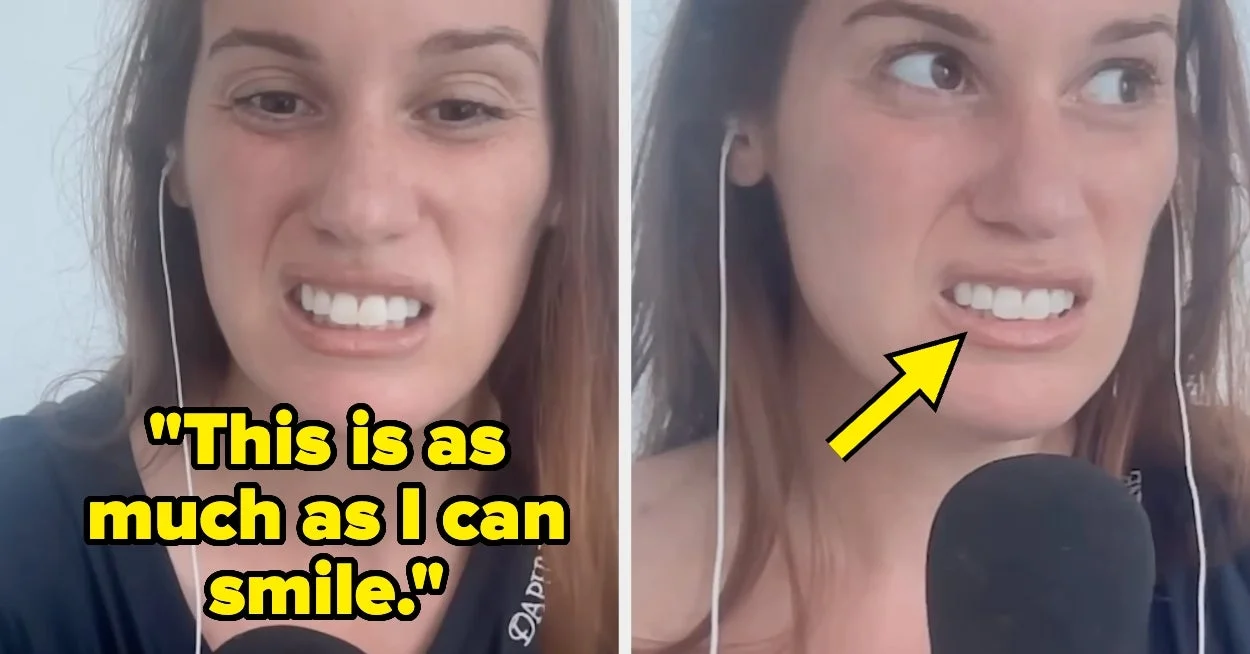
Hannah Berner revealed that Dysport injections for TMJ left her with a frozen, uneven smile, sparking a viral ‘Smilegate’ moment. She described the mishap on an “emergency press conference” and on the Giggly Squad podcast, embracing the meme-worthy reaction while noting her jaw will revert to normal as she navigates future TMJ treatment.
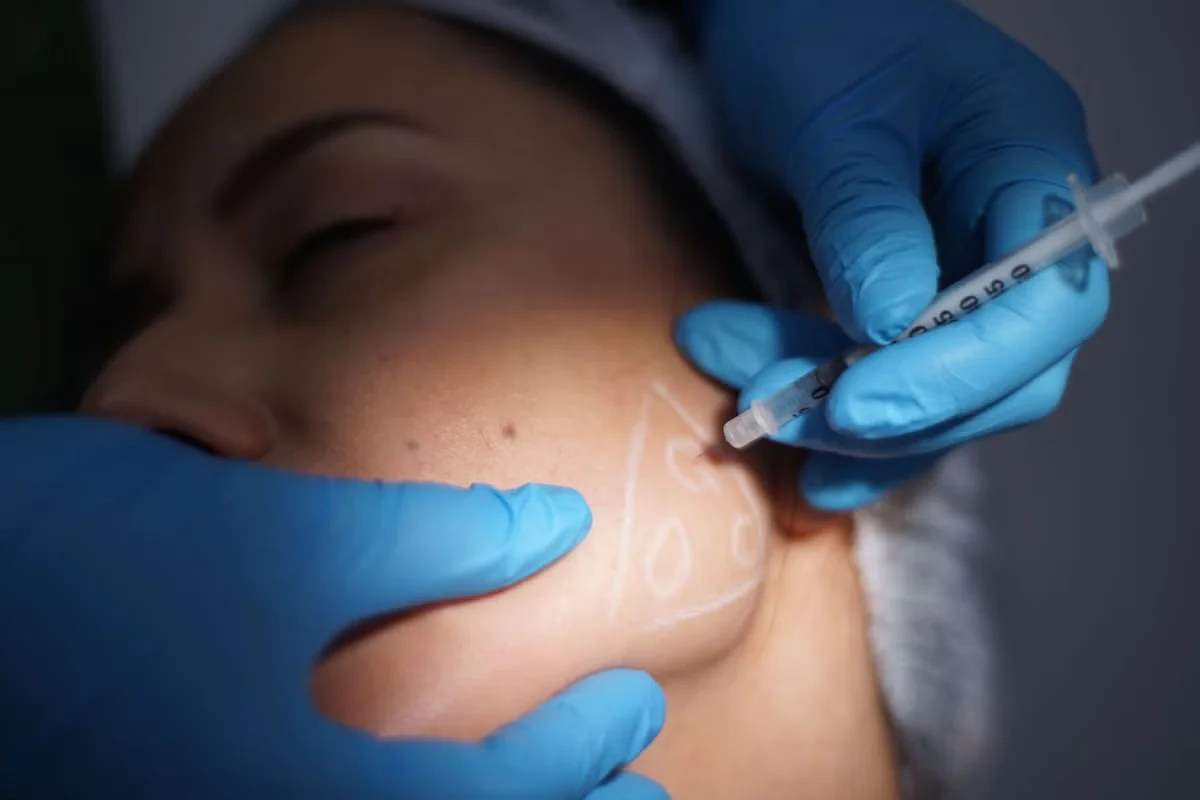
Two young women with temporomandibular joint (TMJ) disorders describe turning to Botox injections—traditionally a cosmetic treatment—as a way to relieve jaw pain after NHS delays left them pursuing private care. One woman had 12 vials at age 24, while another was diagnosed with stage IV TMJ at 22, illustrating how TMJ affects millions in the UK (more commonly women) and how Botox is used as a pain-relief measure rather than a cosmetic fix. The piece calls for better awareness, access to specialists, and acknowledges that while Botox can ease symptoms, it is not a cure.
A yoga therapist explains a link between jaw tension and sacral tightness and offers a six-move routine using a tennis ball and mat to release both areas and ease clenching.
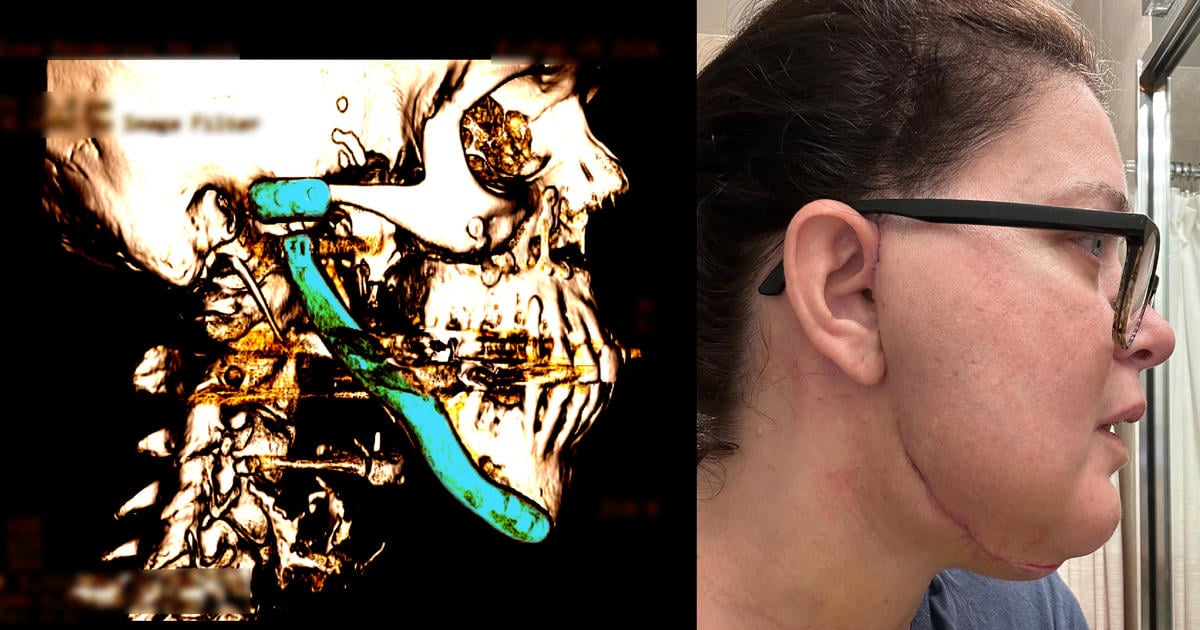
Temporomandibular joint disorders (TMJ) afflict up to 33 million Americans, causing chronic pain and stiffness in the jaw and face, with severe symptoms more common in women. Despite decades of dental treatments, TMJ remains misunderstood and ineffectively treated, leading some patients to undergo multiple surgeries, including total jaw replacements with metal hinges. The lack of compelling scientific evidence and consistent results for TMJ treatments has left patients feeling trapped in a cycle of futile care, with many regretting the treatments they received. The National Academies of Sciences, Engineering and Medicine and the NIH have highlighted the inadequacy of TMJ treatments, calling for better education and research funding to improve care for this debilitating condition.