A major umbrella review from Adelaide University finds that exercise significantly reduces acute and chronic pain, with shorter, gentler routines outperforming longer, harder ones. The study suggests movement may rival common medications in efficacy without side effects.
A 20-year-old from Leeds with a long history of juvenile idiopathic arthritis developed severe CRPS that left her homebound for eight months. After more than two years of discussions with surgeons, she chose to have her right leg amputated. The decision, while debated due to her young age, has led to significant pain relief and greater independence, with her ongoing rehab including prosthetic fitting and a drive to raise awareness about disability and chronic pain.
A Harvard-led study in Science Translational Medicine found elevated TSPO levels in skull bone marrow that correlate with chronic pain. PET/MRI scans showed higher TSPO signals across skull regions in chronic pain patients (especially knee pain) and greater reported pain impact, with postmortem skull tissue from a chronic pain donor showing more TSPO-positive cells. The results suggest skull bone marrow participates in neuroimmune signaling tied to pain, offering a potential therapeutic target, though causality remains unproven and further research is needed.
Animal research suggests intermittent fasting strengthens the gut lining and increases the bacterium Alistipes finegoldii, which boosts hippuric acid to dampen the STING inflammatory pathway in the nervous system, potentially reducing chronic pain and cognitive symptoms; however, human studies are needed to confirm causation and safe fasting protocols.
Soraya Nodrab’s decades-long leg pain was diagnosed as lipedema, a chronic fat-accumulation disorder often mistaken for obesity; the condition’s visibility is increasing thanks to Doja Cat and other creators, but it remains underdiagnosed, with treatment focusing on symptom management and, for some, surgery, while there is no cure, highlighting the emotional toll of living with a misunderstood condition.
Lipedema is a chronic, painful fat-disorder that accumulates in the lower body and is often misdiagnosed as obesity; unlike cellulite, it does not respond to weight loss and can cause swelling, bruising and mobility issues. Soraya Nodrab’s journey—from unexplained leg pain to a formal diagnosis after discovering others on TikTok—highlights how the condition is gaining visibility thanks to Doja Cat's posts and patient advocates. Treatments focus on symptom management (lymphatic drainage, compression, low-impact exercise, anti-inflammatory nutrition) and, in advanced cases, surgery, but there is no cure. The condition also takes an emotional toll, underscoring the need for better clinician awareness and support.
A London woman endured 15 years of crippling, misattributed pain—believed to be just periods—leading to the removal of her appendix and gallbladder before doctors finally diagnosed extensive endometriosis and adenomyosis in July this year; the delays left her in chronic pain and potentially affected fertility, fueling advocacy for listening to women's health concerns.
Chronic low back pain, lasting more than 12 weeks, often has no identifiable cause, but experts say acupuncture, hydrotherapy (aquatic exercise) and cognitive behavioral therapy can provide moderate relief—especially when paired with regular activity—though complete pain elimination is rare and finding the right combination usually requires trial and error with a clinician.
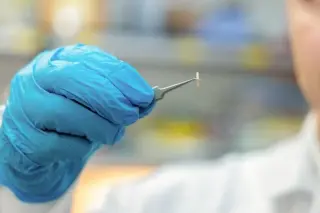
Researchers from NYU Abu Dhabi and Cleveland Clinic Abu Dhabi developed a seed-sized device that can be injected through a needle and powered wirelessly to stimulate nearby nerves, potentially providing a safer, less invasive treatment for chronic pain and neurological conditions without surgery or batteries. In lab and animal tests it produced precise nerve activation and muscle movements, but long-term stability, placement accuracy, and external power systems need further improvement before clinical use; the study was published in Science Advances.
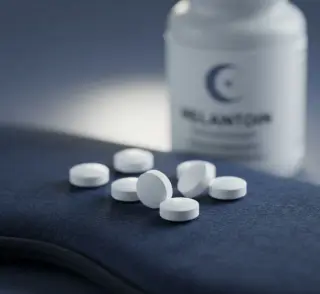
A Prevention review of 23 randomized trials reports that daily melatonin (3–10 mg) provides moderate relief for chronic musculoskeletal pain and improves sleep quality, though it shows little benefit for post-operative pain; experts caution that melatonin isn’t a universal fix and advise discussing dosage and overall pain management with a clinician due to possible side effects like grogginess, headache, and nausea.
A psychiatrist argues that chronic pain is processed in the brain, not just tissue damage, and promotes a natural, brain- and mind-based program before considering surgery. He notes MRIs can be misleading, links depression and repressed emotions to pain amplification, and recommends renewing the mind—anchored in scripture—along with sleep, exercise, and mindful supplements to reduce pain and potentially avoid surgery.
Gregory Maassen, 51, endures a pervasive burning pain that starts in the arm and spreads across his body; after tests fail to find a cause, a doctor speculates it could be mental illness, and an unconventional prescription—initially viewed as absurd—eventually brings him relief and marks a turning point in his struggle.
A meta-analysis of 23 clinical trials involving over 2,000 participants suggests melatonin may modestly reduce chronic muscle and joint pain and improve sleep. The average pain reduction was small (about 9 points on a 100-point scale), with results weaker for post-surgical pain. Doses ranged from 1–10 mg and no optimal dose was identified; longer use might help a bit more, but evidence is limited. Melatonin should be considered as an add-on to established therapies (physiotherapy, exercise, anti-inflammatories), not a replacement. Side effects are generally mild, but those with liver/kidney conditions or autoimmune issues should consult a clinician. More large, well-designed trials are needed to confirm who may benefit.
Kathie Lee Gifford shares on Sean Hannity's Hang Out With Sean Hannity podcast that years of crippling pain were caused by a pelvis fracture misdiagnosed as a hip issue, with a spine misread delaying treatment; she says she crawled across the floor, considered dying, and only after pushing for answers did she undergo hip replacement, finding renewed faith and resilience along the way.
A meta-analysis of 23 randomized trials including 2,028 patients with chronic musculoskeletal conditions found melatonin reduced pain intensity by about 9 points on a 100-point scale and improved sleep quality. Doses ranged 3–10 mg (commonly 3 mg) taken at bedtime, with safety similar to placebo and mostly mild side effects like nausea, dizziness, or headaches. The researchers caution melatonin should complement—not replace—standard treatments and advise discussing use with a doctor, especially when other meds or health conditions are involved.