
In-host gene transfer sparks explosive antibiotic resistance in lung infections
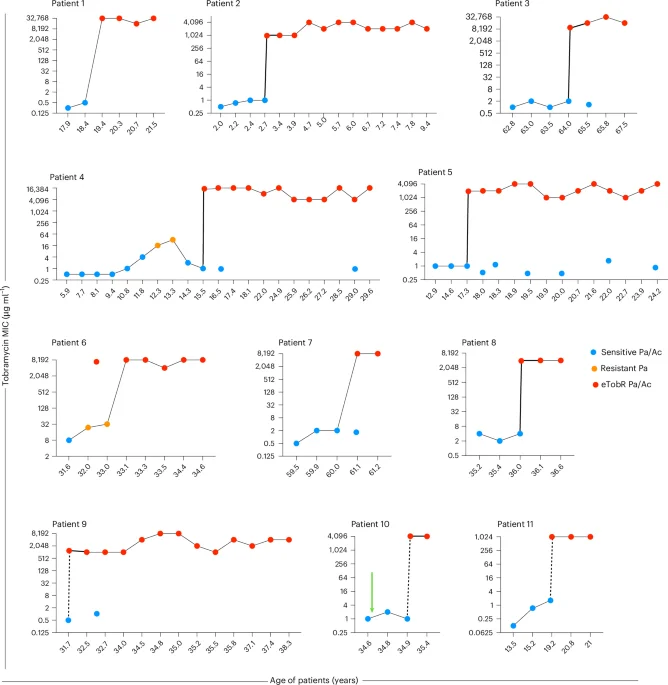
A multicenter study of chronic lung infections in cystic fibrosis and bronchiectasis patients found that extreme tobramycin resistance emerged not by mutation but via in vivo transfer of resistance genes from transient environmental bacteria to already-established pathogens in the lungs. The transferred plasmids carried aac(3)-IIId on a transposon (TnCF1) and conferred MICs ≥1,024 µg/mL, producing roughly 10,000-fold resistance that persisted for years. Plasmids were stable with low fitness costs, aided by toxin–antitoxin systems, and several donor species (including Pseudomonas putida) likely carried the plasmids into patients before transferring them to pathogens, with transfer demonstrated ex vivo via conjugation or transformation. The findings imply that resistance can rapidly arise during therapy through within-host gene transfer, underscoring the need for environmental surveillance and strategies to limit in vivo gene exchange.