Tag

Plasmids

All articles tagged with #plasmids

In-host gene transfer sparks explosive antibiotic resistance in lung infections
science3 hours ago

In-host gene transfer sparks explosive antibiotic resistance in lung infections

A multicenter study of chronic lung infections in cystic fibrosis and bronchiectasis patients found that extreme tobramycin resistance emerged not by mutation but via in vivo transfer of resistance genes from transient environmental bacteria to already-established pathogens in the lungs. The transferred plasmids carried aac(3)-IIId on a transposon (TnCF1) and conferred MICs ≥1,024 µg/mL, producing roughly 10,000-fold resistance that persisted for years. Plasmids were stable with low fitness costs, aided by toxin–antitoxin systems, and several donor species (including Pseudomonas putida) likely carried the plasmids into patients before transferring them to pathogens, with transfer demonstrated ex vivo via conjugation or transformation. The findings imply that resistance can rapidly arise during therapy through within-host gene transfer, underscoring the need for environmental surveillance and strategies to limit in vivo gene exchange.
Mobile resistance gene drives US rise of deadly hospital infections
health4 days ago

Mobile resistance gene drives US rise of deadly hospital infections

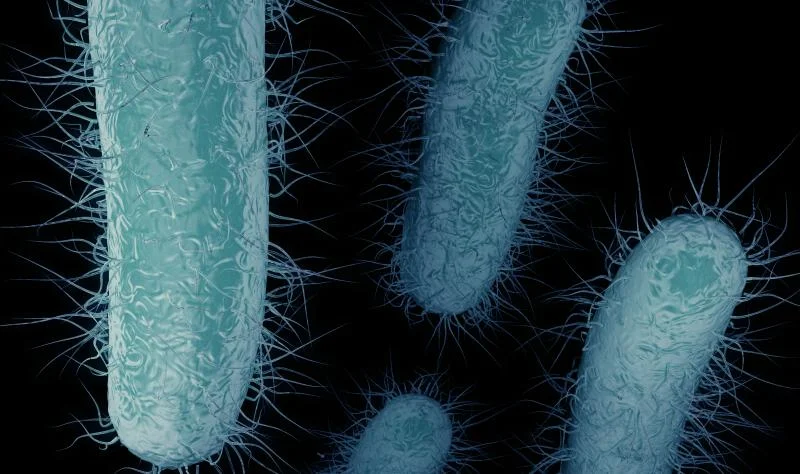
A CDC report finds NDM-carrying CRE infections surged 461% in the U.S. from 2019–2023; the NDM gene is mobile on plasmids and can jump between bacteria, fueling hospital outbreaks across multiple species and complicating treatment. Wastewater data show community spread with regional patterns and links to socioeconomic factors; while aztreonam-avibactam offers a new option, there is no endgame, underscoring the need for better testing, surveillance, and stewardship.

Discovery of a DNA-based organelle in mammalian cells revolutionizes cell biology
science2 years ago

Discovery of a DNA-based organelle in mammalian cells revolutionizes cell biology

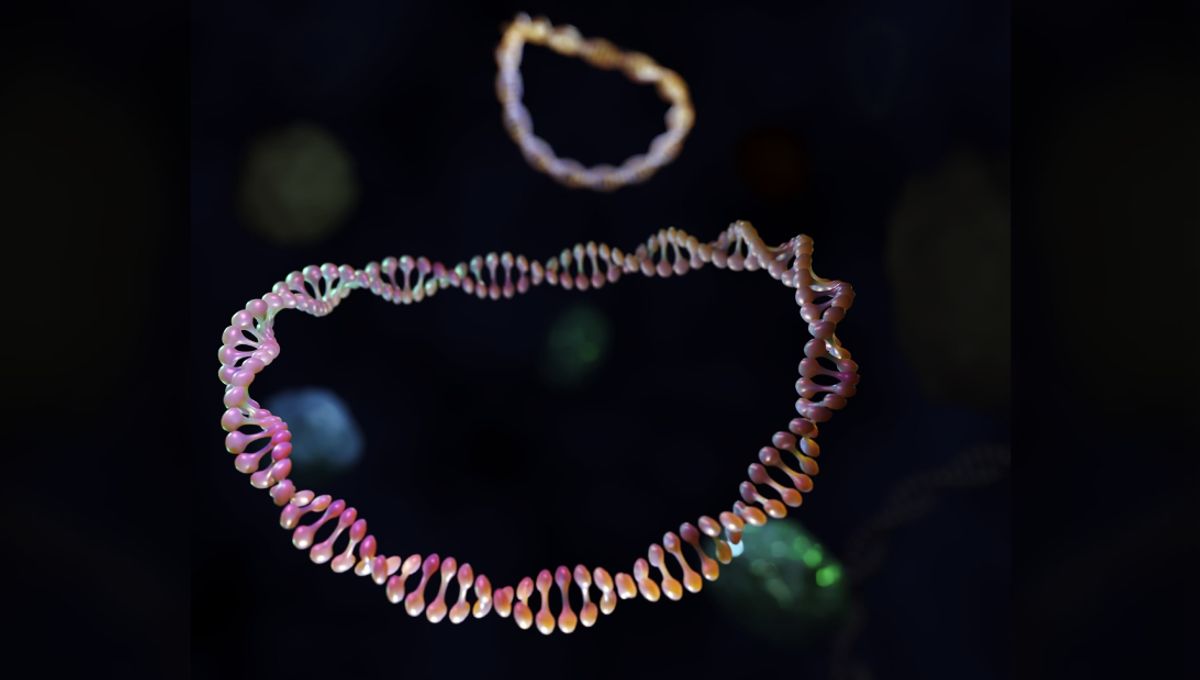
Scientists have discovered a new organelle called the exclusome within mammalian cells. The exclusome is made up of DNA rings called plasmids, which are usually found in bacteria and other microscopic organisms. It is believed that the exclusome may play a role in autoimmune disease and could provide insights into the evolution of nuclei in eukaryotic cells. The presence of plasmids in the exclusome suggests that cells can identify and remove foreign or unnecessary DNA from the nucleus, potentially protecting the cell's genetic integrity. Further research is needed to fully understand the functions and implications of this newly discovered organelle.

"Bacterial Gene Spread Takes Unexpected Turn, Scientists Find"
science2 years ago

"Bacterial Gene Spread Takes Unexpected Turn, Scientists Find"

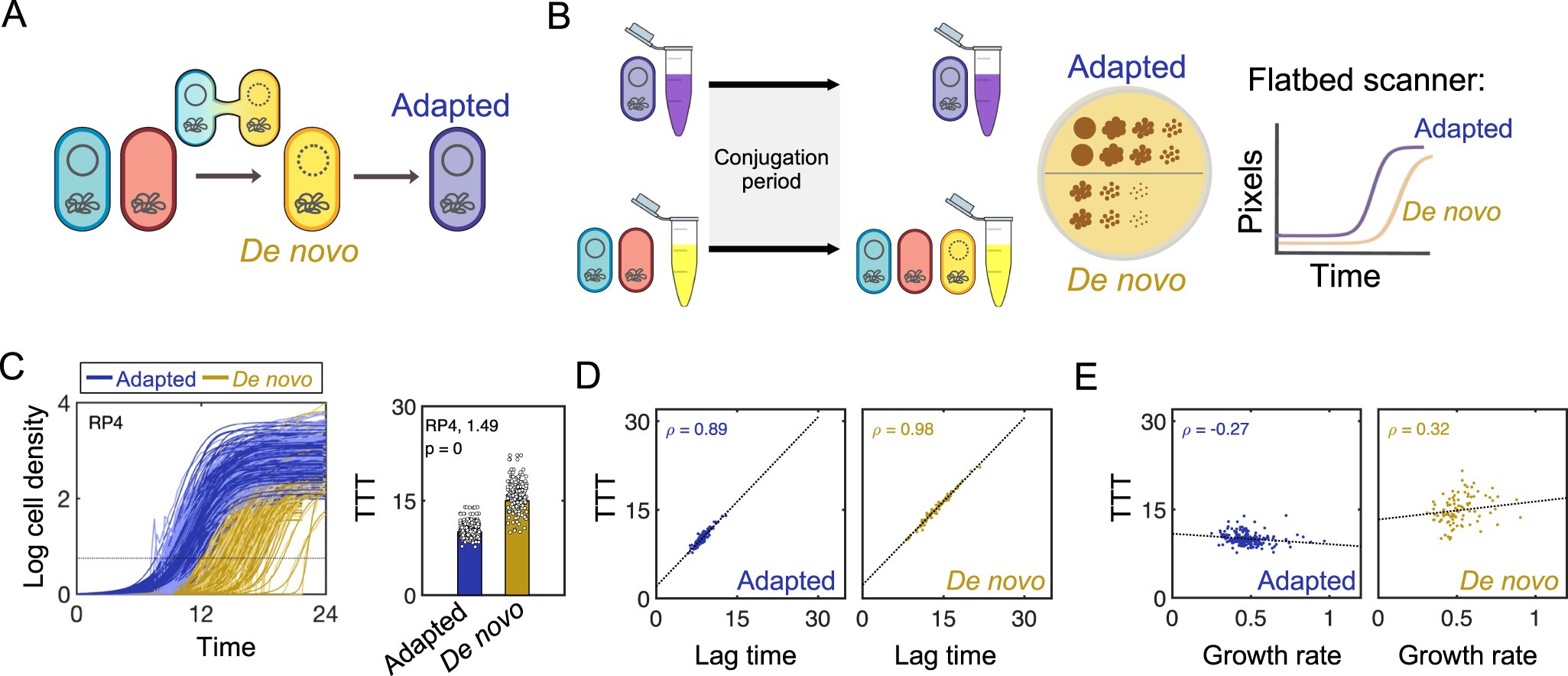
Scientists have discovered a surprising tradeoff in the spread of antibiotic-resistant genes through plasmids in bacteria. Contrary to common belief, plasmids that allow bacteria to grow faster do not necessarily spread more easily. A study found that intermediate-cost plasmids outcompete both low and high-cost counterparts, indicating that acquisition costs manifest as a delay rather than a growth rate. Understanding the factors that control plasmid acquisition costs could help limit the spread of antibiotic resistance and potentially utilize plasmids for beneficial purposes. Further research will investigate the genetic and environmental conditions that favor horizontal gene transfer.

Hyperthermophile's Plasmid Enables Genetic Modification of Archaea
science3 years ago

Hyperthermophile's Plasmid Enables Genetic Modification of Archaea

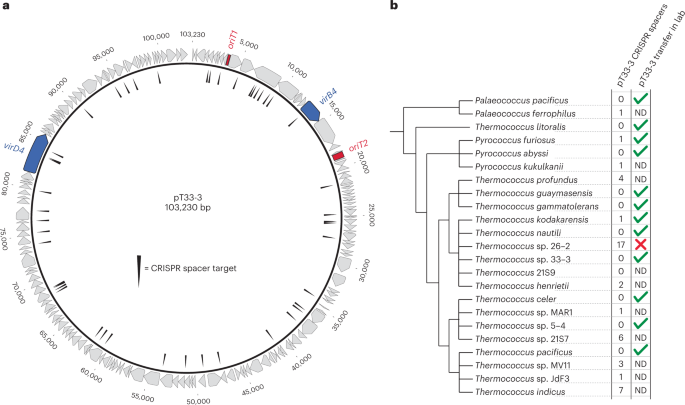
Researchers have discovered a self-transmissible plasmid from a hyperthermophile that can facilitate genetic modification of diverse Archaea. Plasmids are small, circular pieces of DNA that can replicate independently of the host genome and can carry genes that confer advantageous traits such as antibiotic resistance. The plasmid, named pTN1, was found in Thermococcus nautili, a hyperthermophilic archaeon isolated from a deep-sea hydrothermal vent. The discovery of pTN1 could lead to new tools for genetic modification of Archaea, which are important for biotechnology and environmental applications.