Tic suppression is a hallmark of Tourette syndrome, not a sign of faking. While it allows temporary control, it is exhausting and often leads to a release of tics later. This dynamic is central to modern behavioral treatments like CBIT, which help patients manage urges through competing responses rather than mere restraint.
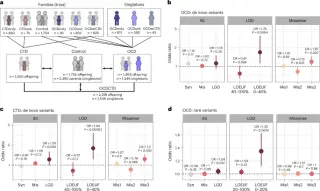
Researchers at Rutgers University have identified 36 genes that significantly increase the risk of obsessive-compulsive disorder (OCD) and chronic tic disorders (CTDs), such as Tourette syndrome. Published in Nature Neuroscience, the study analyzed exome data from nearly 4,000 individuals, including over 2,400 parent-child trios. The findings reveal that 30 of these genes are shared between OCD and CTD, confirming substantial genetic overlap. The identified genes carry large effects, potentially increasing risk by up to 210-fold. The study also links these conditions to autism spectrum disorder and schizophrenia, highlighting dysfunction in the cortico-striato-thalamo-cortical brain circuit. This expansion of known risk genes from four to 36 offers new targets for developing tailored therapies.
A large-scale whole-exome sequencing study published in Nature Neuroscience identified 36 high-confidence genes that significantly increase the risk for obsessive-compulsive disorder (OCD) and chronic tic disorders (CTDs). Analyzing data from nearly 4,000 individuals, including 2,418 trios, researchers found an excess of rare, damaging mutations in cases compared to controls. This discovery expands the known genetic landscape from just four previously identified genes to over 30, offering new biological targets for pharmaceutical development. The study highlights shared genetic pathways between OCD and CTDs, suggesting these conditions may stem from similar disruptions in brain circuitry and neurotransmitter signaling. While the findings do not offer immediate cures, they provide a foundation for designing therapies that target underlying mechanisms rather than just symptoms. Some identified genes are also linked to autism and schizophrenia, reinforcing the concept of shared genetic risks across psychiatric disorders.
In 2021, a surge of identical, severe tics in teenagers across multiple countries was traced to social media exposure rather than a biological disorder. Neurologists identified this as a new form of mass sociogenic illness, where online content provided symptom templates for vulnerable youth.
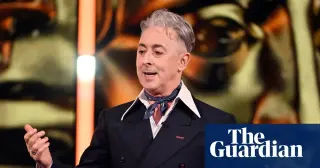
Alan Cumming criticized Bafta leadership as 'bad' after Tourette activist John Davidson shouted the N-word at the ceremony; the BBC broadcast drew apologies from BBC and Bafta, and an independent review found no malicious intent. Cumming said he wasn’t warned and called the event a 'shitshow', apologized on stage for any offense tied to Tourette syndrome, and indicated he won’t host the Baftas again. Davidson later explained his tics are involuntary and not a reflection of his beliefs.
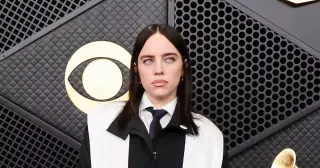
Billie Eilish, 24, revealed on the Good Hang With Amy Poehler podcast that she has Tourette’s and experiences vocal tics, but often suppresses them in public during interviews; she notes tic attacks can occur, that some people mistake the tics for humor, and emphasizes Tourette’s is a neurodevelopmental disorder she doesn’t want to define her work.
Kobe University researchers mapped a thalamus-to-insular pathway linking the basal ganglia to the insular cortex in mice, a circuit that could explain why Tourette's tics overlap with OCD and other neuropsychiatric conditions. Blocking this thalamus-to-insular connection reduced tic-like movements, suggesting a potential target for less invasive treatments such as ultrasound neuromodulation, though results in humans are not yet established and deep brain stimulation remains a current option.
SNL’s post-Olympics episode included a cut-for-time sketch that joked about a Tourette’s diagnosis driving celebrity outbursts tied to a BAFTA incident, prompting condemnation from Tourette Action as mocking a disability. The piece also rounds up other TV news, including The Miniature Wife on Peacock, Jon Stewart’s return to The Daily Show, and Colin From Accounts resuming production.
A Saturday Night Live sketch mocking Tourette syndrome drew swift condemnation from Tourette Action, which said joking about the condition is unacceptable and harmful to the Tourette community. The sketch has celebrities blaming past statements on Tourette’s, a controversy that followed Bafta Awards coverage over an involuntary racial slur incident. The charity urged that mocking a disability is unacceptable, while responses from public figures varied; NBC has been asked for comment as SNL’s UK edition prepares to launch.
Delroy Lindo expressed gratitude for the love and support shown by fans after a man with Tourette syndrome shouted the N-word while Lindo and Michael B. Jordan presented at the Bafta Awards. The BBC faced criticism for not editing the slur, and the moment drew public support for the actors at the NAACP Image Awards, where Jordan won entertainer of the year and Sinners took best motion picture.
A Saturday Night Live sketch spoofingly blames a string of past outbursts by celebrities on Tourette syndrome, featuring impressions of Mel Gibson, J.K. Rowling and Armie Hammer. The bit follows a BAFTA incident where a speaker with Tourette’s uttered a racial slur, prompting apologies from the awards show. The sketch uses the condition as a satirical scapegoat for controversial behavior.
At the BAFTA awards, a moment tied to a vocal tic associated with Tourette syndrome sparked debate after some interpreted it as a racial slur, prompting mixed reactions within the Black Tourette community and raising questions about perception, intent, and representation in entertainment.
A Cambridge sociolinguist who has Tourette’s explains that tics, including coprolalia, are involuntary and not a reflection of a person’s beliefs, describes the challenges of tic suppression, critiques how the Baftas and BBC handled a misfired broadcast, and argues for broader public understanding and support that can reveal positive traits like creativity and focus in people with Tourette’s.
A Guardian journalist writes about living with Tourette syndrome, the Baftas controversy sparked by John Davidson, and the push for genuine inclusion of people with neurological differences, emphasizing visibility over hiding and the need for a kinder, more understanding public sphere.
Tourette’s activist John Davidson says Bafta and the BBC told him any swearing would be cut from the Baftas broadcast, but an audible N-word moment occurred on stage. He explains his tics can involuntarily produce offensive words and has apologised to those affected, while backers and the broadcaster face criticism. Bafta and the BBC issued apologies and launched a comprehensive review, with a Bafta judge resigning and Warner Bros. noting shortcomings in response.