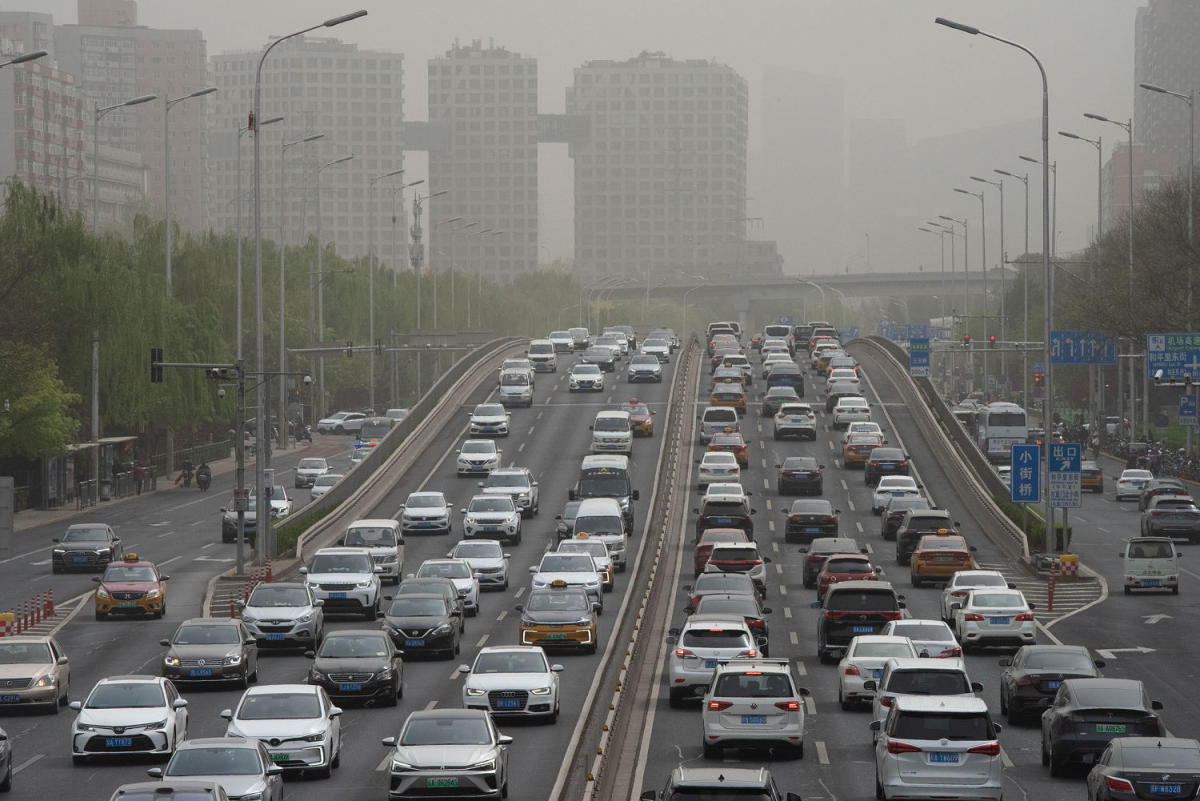
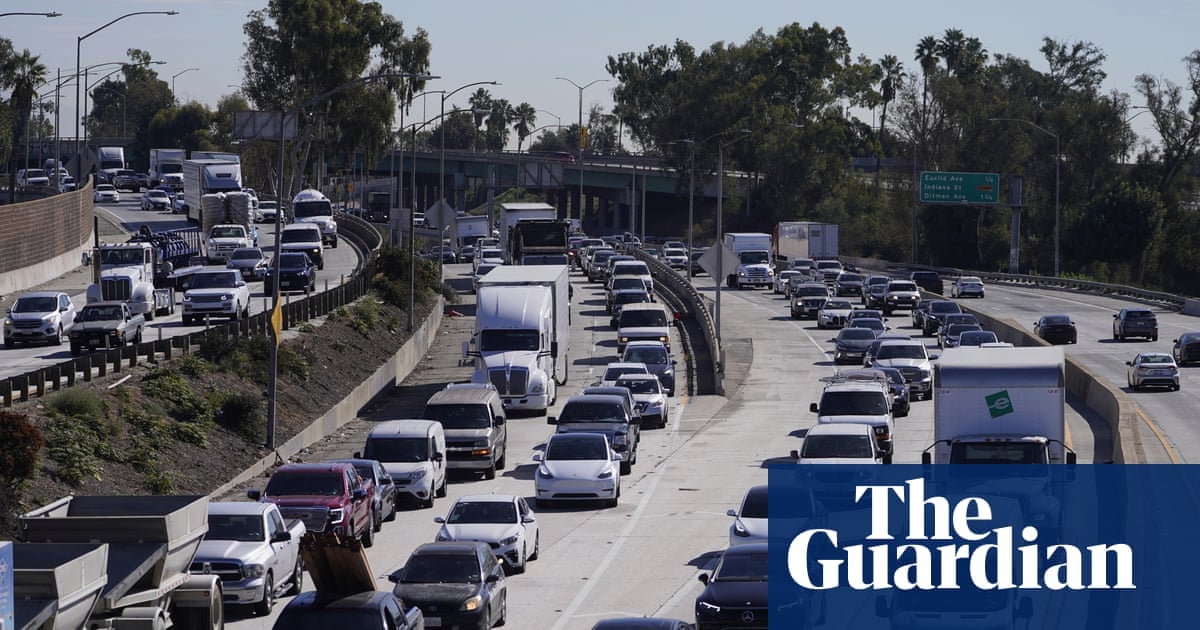
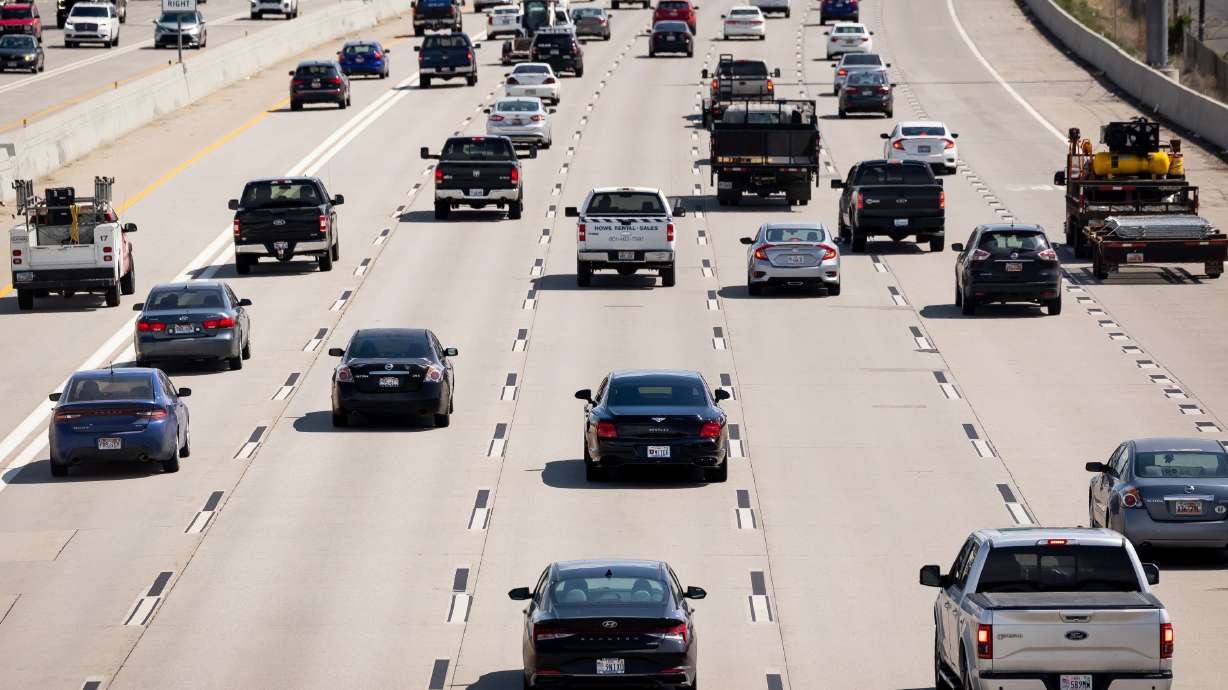
A study in Tel Aviv found that traffic pollution, especially NOx gases and PM2.5 particles, directly influences the Earth's atmospheric electric field, with effects peaking during rush hours and diminishing on weekends, highlighting the link between urban air quality and atmospheric electrical phenomena.
A study published in the Annals of Internal Medicine reveals that exposure to traffic-related air pollution can cause a spike in blood pressure comparable to the effect of a high-sodium diet. The adverse health effects from traffic-related air pollution can impact individuals sitting in traffic or living in areas with heavy car traffic, disproportionately affecting people of color. To mitigate the impact, it is recommended to keep windows closed and have air filtration capability at home. Additionally, transitioning to electric vehicles and investing in public transit infrastructure can help reduce traffic-related air pollution.
A study published in the Annals of Internal Medicine reveals that traffic pollution can cause a sharp increase in blood pressure almost immediately upon exposure. The research, conducted in Seattle, monitored both pollution levels and blood pressure in real-time from inside vehicles. The study suggests that sitting in traffic could potentially trigger medical conditions such as heart attacks and strokes. While the study's sample size was small, it adds to growing concerns about the health dangers of pollution on roadways. The findings highlight the need for further research and attention to the impact of air pollution on commuters' health.
A study conducted by the University of Washington has found that air pollution from traffic can cause a significant rise in blood pressure, comparable to the effect of a high-sodium diet. The spike in blood pressure can last up to 24 hours and contribute to cardiovascular problems. Long-term exposure to vehicle exhaust has also been linked to respiratory problems such as asthma. The study highlights the need for societal solutions to improve traffic and reduce driving with fossil fuel vehicles, while individuals can take actions such as closing windows, using car filters, and wearing effective respirator masks to minimize exposure to traffic-related air pollution.
Two new studies highlight the adverse health impacts of heavy traffic pollution on pregnant women and the mental health consequences of work-related factors. The first study, conducted by the University of Texas Southwestern Medical Center, found that pregnant women exposed to traffic-related air pollution had higher rates of preterm birth, neonatal intensive care unit admissions, and respiratory problems in infants. The second study, published in The Lancet, revealed that work environments play a significant role in mental health, with negative working conditions increasing the risk of depressive disorders. The findings emphasize the need for improved air quality and workplace conditions to protect the health of pregnant women and workers.