A NYC-based professional commutes to a DC-based role twice a week by Amtrak, turning up to eight hours of travel into a productive work block, supported by advance tickets and a DC-area family to balance life in both cities.
Amtrak floated a NYC–Philadelphia commute for LeBron James after he agreed to a two-year, $8 million contract with the Philadelphia 76ers, with rumors he may live in New York or New Jersey; a helicopter would cut travel to about 45 minutes, but a Manhattan-to-Philadelphia train would take roughly 1 hour 25 minutes, and James’ living arrangements remain unsettled.
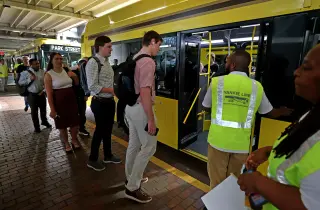
A long MBTA Red Line shutdown replaces trains with slow shuttle buses for about a week and a half, turning a typical 20-minute ride into roughly two hours into Boston, with Alewife Station passengers bearing the brunt.
Rising gas prices are making long commutes unaffordable for some workers, prompting shifts like remote work, shorter local moves, or even retirement plans as employers and job seekers react to higher fuel costs (AAA puts the national average around $4.52/gal). The trend is driven by a tougher job market and more emphasis on proximity or remote opportunities, with individuals weighing income against travel costs.
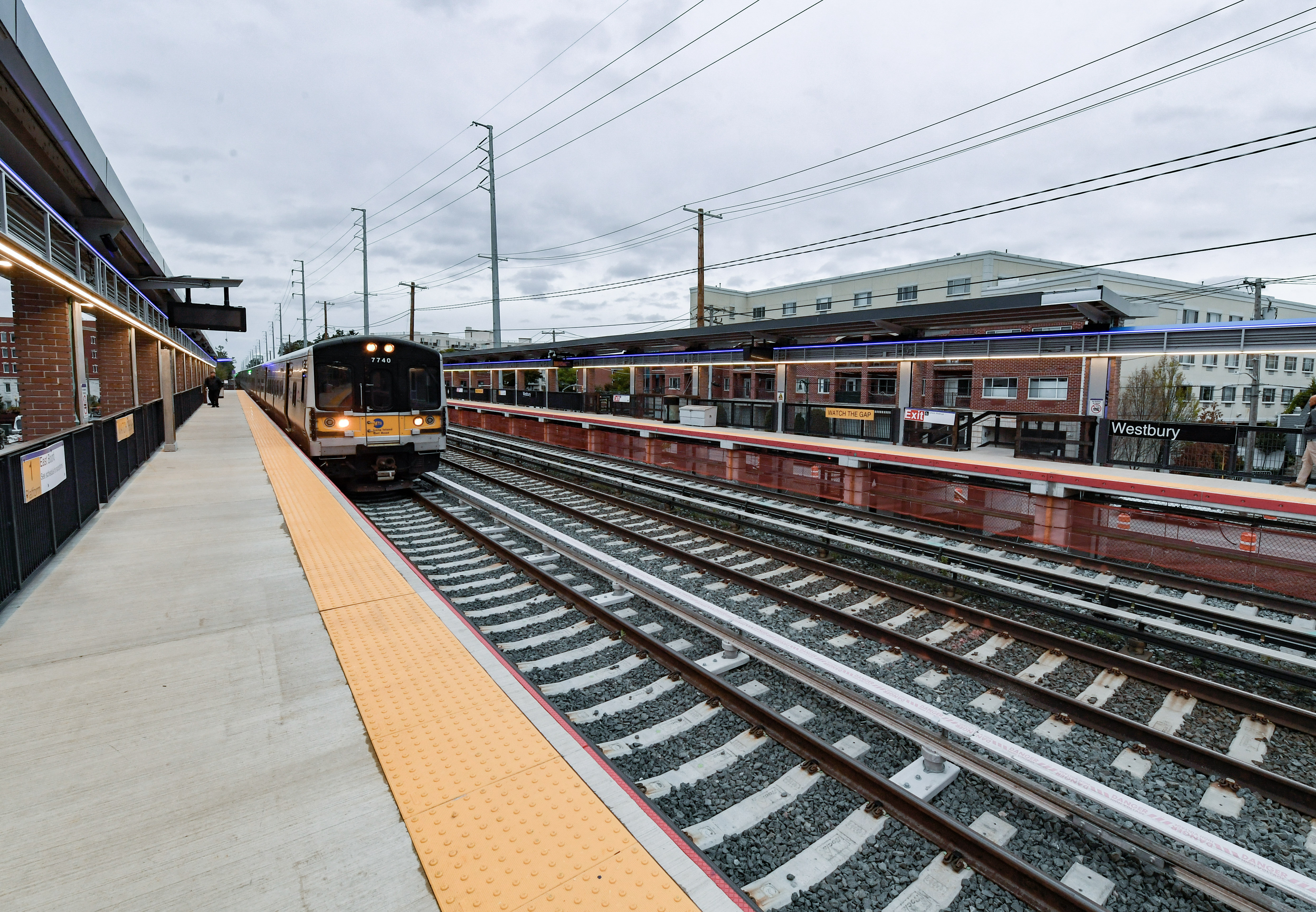
Some LIRR unions threaten to strike starting September 18, which could shut down service and severely impact nearly 300,000 daily passengers. The MTA is negotiating but advises travelers to work from home if possible, and to consider shuttle buses, NICE buses, and accessible options as alternatives. Refunds for monthly tickets may be available for days service is suspended.
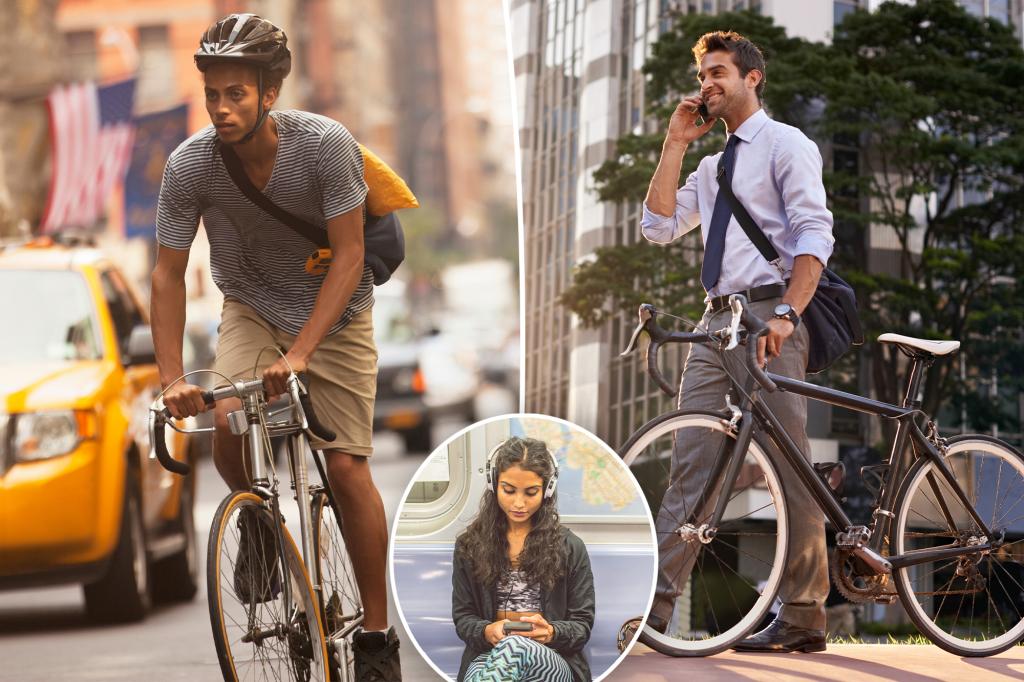
A study from Scotland found that bike commuters have a 47% lower risk of early death and a 10% lower risk of hospitalization compared to those who drive or take the train. The research, which followed over 82,000 UK residents for 18 years, highlights the significant health benefits of active commuting, such as reduced risks of cancer, heart disease, and mental health issues. However, cyclists face twice the risk of road traffic collisions, underscoring the need for safer cycling infrastructure.
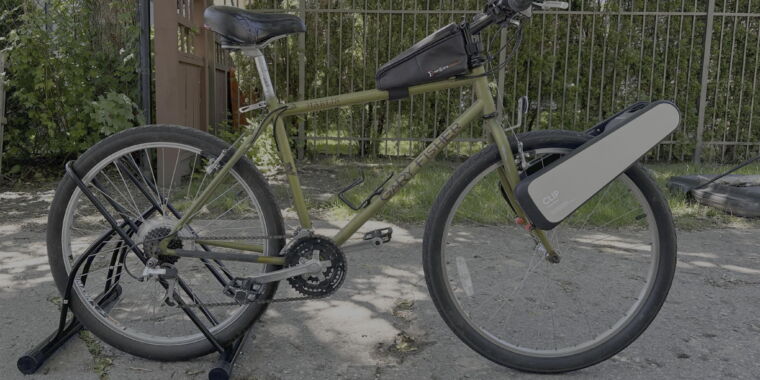
The Clip is a friction drive unit that attaches to the front fork of any bicycle, turning it into an e-bike with up to 12 miles of range and a top speed of 15 mph. Priced at $499 for the Commuter model and $599 for the Explorer, it offers an easy and inexpensive way to electrify old bikes without complex installations.
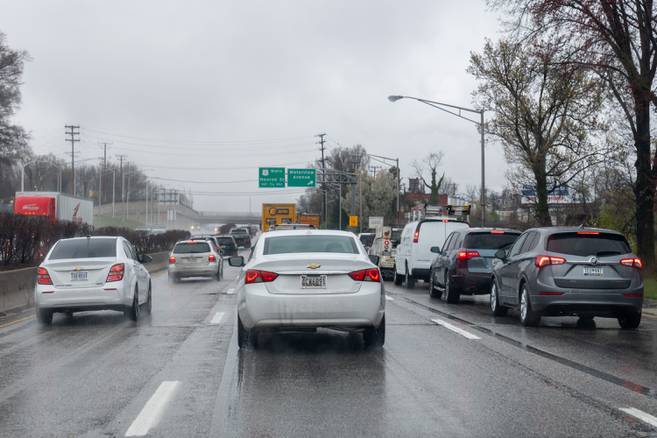
The collapse of the Key Bridge has caused significant disruptions to Baltimore-area commuters, leading to increased traffic congestion and longer commute times. While transportation experts believe the road network can handle the displaced traffic, the closure has put pressure on alternative routes, tunnels, and highways. State officials are monitoring commute times along alternate routes and have made adjustments to traffic signals to ease congestion. Commuters are exploring various options, including carpooling and public transit, while hoping for more flexible work schedules. The impact of the bridge collapse on commuting may persist until the bridge is rebuilt, which is expected to take years.
Michael Matthew Brady, a husband and father, was fatally stabbed multiple times while commuting home from work on a MAX train in Portland. The 51-year-old was attacked by another passenger on the eastbound train, and the incident is currently under investigation by the police.
Readers were asked to name cars they believe are only driven by idiots, and the responses were diverse and opinionated. Some popular choices included the Nissan Altima, Dodge Charger, Tesla Model S, Cybertruck, and Chevrolet Tahoe. Other cars mentioned were the Hyundai Genesis Coupe, BMW 3 Series, Audi RS3, VW Golf R, Subaru Forester, and Toyota Corolla. The comments revealed strong stereotypes and biases about certain car models and their drivers.
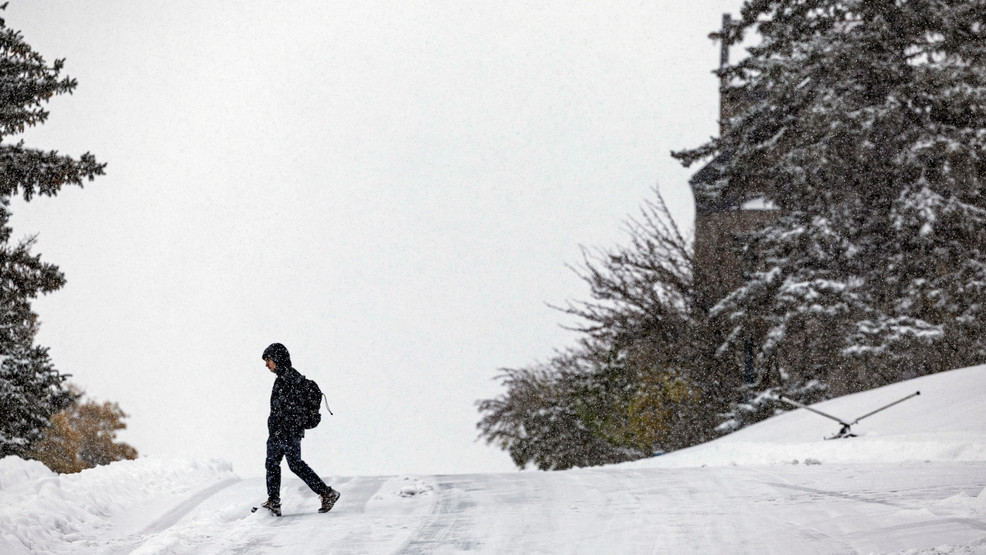
A massive snowstorm is expected to hit Colorado and the Front Range, with Denver projected to receive 6-12 inches of snow and other areas potentially seeing over a foot. The storm will bring rain on Wednesday, transitioning into snow later in the day, and continuing throughout Thursday, causing travel issues and advisories to work from home if possible. Conditions are expected to improve on Friday with the return of sunshine, but it may take days for the snow to melt due to the high accumulation.
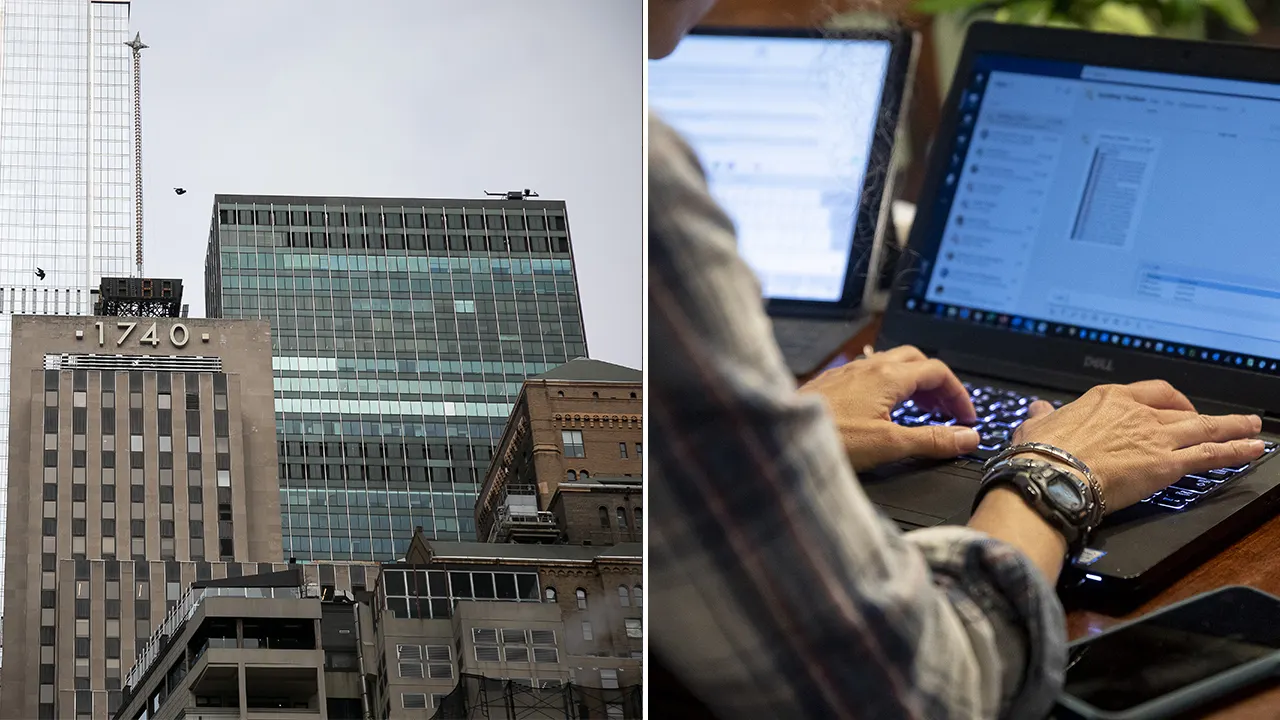
A study by economists at Stanford and Gusto found that remote workers are living increasingly further from their company offices, with the average distance between homes and offices increasing to 27 miles in 2023. The trend is driven by higher-earning employees, and millennial workers are living the furthest from their employers. Despite some companies requiring a return to the office, the trend of living further from company offices remains consistent, leading to longer commutes and potential job searches for those required to return to the office.
Winter weather is expected to return to mid-Missouri on Monday, with wet and heavy snowfall predicted to accumulate between 1-4 inches, potentially causing slower commutes, especially for those living near the Lake or south of Highway 54. There is a possibility of snow reaching as far north as I-70, and residents are advised to stay updated on the latest weather information.
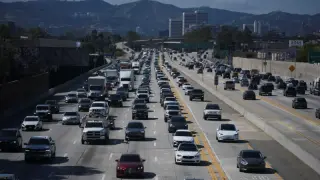
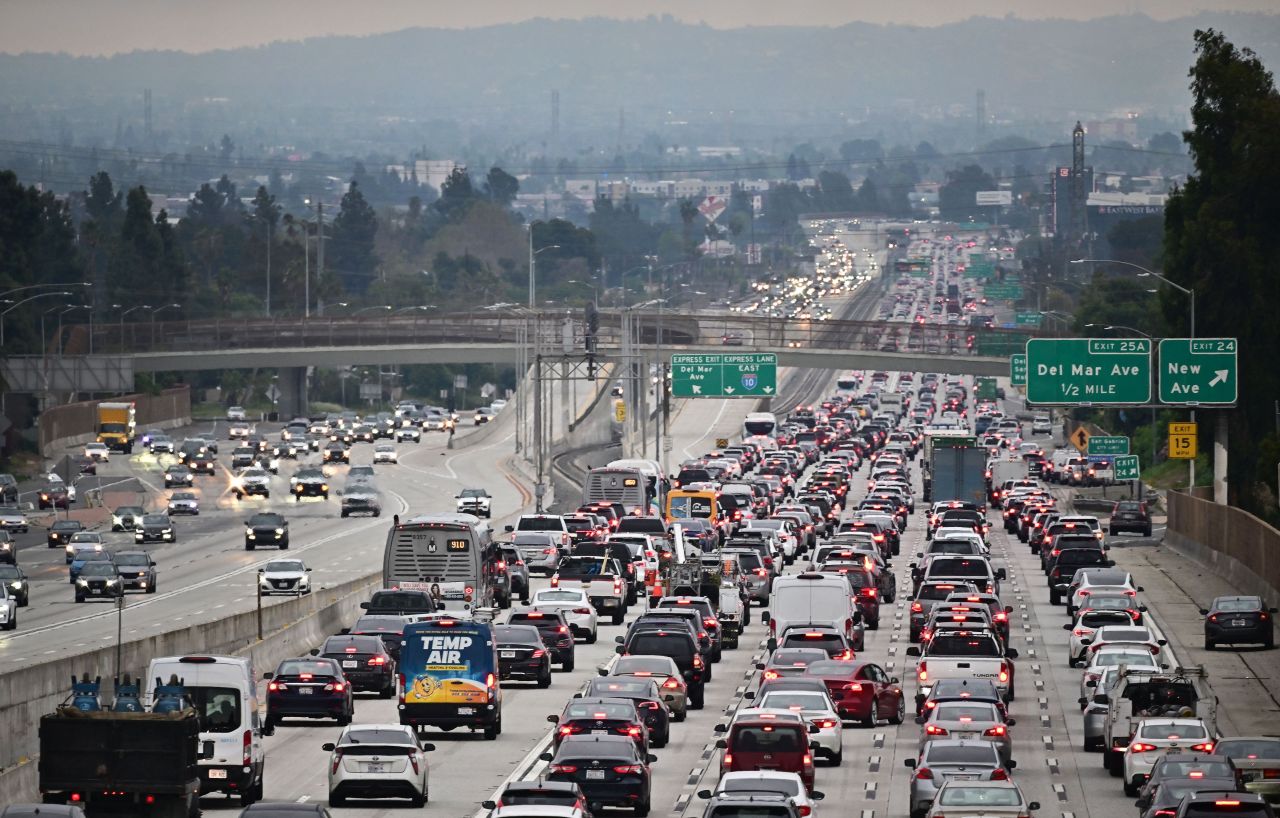
Los Angeles, known for its notorious traffic, ranks in the top ten of the TomTom Traffic Index Rankings for the United States, but is not the worst offender. New York City takes the top spot, with commuters spending an average of 24 minutes to travel just six miles. Despite heavy congestion, Los Angeles drivers are able to cover the same distance in about 15 minutes, but still lose an average of 89 hours per year stuck in rush hour traffic. The worst traffic in the world, according to TomTom, is in London, with a six-mile drive taking longer than 37 minutes to complete.
According to the TomTom Traffic Index for 2023, New York City has been ranked as the U.S. city with the worst traffic, with commuters spending an average of 24 minutes and 50 seconds driving six miles, and losing 8 minutes and 2 seconds due to traffic. Washington, D.C. follows closely behind as the second worst city for traffic, with an average travel time of 21 minutes and 20 seconds for six miles, and commuters losing 86 hours to rush-hour traffic throughout 2023. Other cities in the top 10 list include San Francisco, Boston, Chicago, Baltimore, Seattle, Philadelphia, Los Angeles, and Miami.