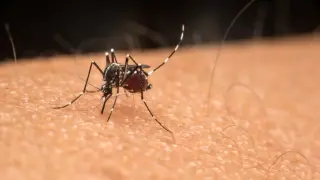
A Weather Channel piece says rising temperatures are expanding the West Nile virus transmission window in the United States, with more days conducive to mosquito-borne spread as the climate warms.
Australia’s Waratah battery in New South Wales demonstrated its grid-safety role by delivering about 700 MW for two hours and then pulling roughly 850 MW, marking its second full‑power test in three days after a transformer failure sidelined it for almost a year. The tests rely on a System Integrity Protection Scheme to relieve stressed transmission lines by coordinating with nearby generators, showing batteries as real-time grid valves rather than mere price arbitrage assets. A replacement transformer was energized in September after the 2025 failure, and the project aims to bolster the grid as coal plants retire and more wind/solar reach cities.
A Lancet review explores whether amyloid-beta pathology linked to Alzheimer’s could spread via blood transfusions. While not proven, prior work hints at transferable amyloid via medical procedures, and a 2023 Danish-Swedish study found recipients of transfusions from donors who later developed brain bleeds had higher recurrence risk, a clue connected to cerebral amyloid angiopathy. Experts urge caution, noting insufficient data to quantify risk, but advocate large-scale epidemiological studies and potential safeguards (donor biomarker screening, enhanced monitoring for high-risk patients). The UK infected blood inquiry is cited as a cautionary example of delaying safety measures, underscoring the need for transparency and preparedness.
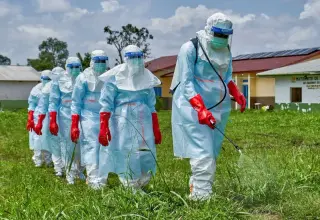
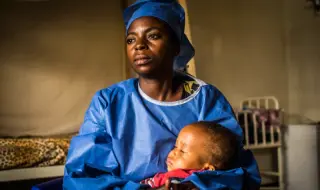
A Nature Medicine study analyzing samples from 22 patients finds a new Bundibugyo Ebola virus variant linked to a fresh animal-to-human spillover in the Congo-Uganda outbreak; the strain is genetically distinct from earlier Bundibugyo outbreaks, and Uganda cases are connected to the Congo event, though the exact animal source remains unidentified. There is no approved vaccine, but candidates are in development. The study highlights the value of broader testing and virus sequencing for early outbreak detection, as the outbreak has surpassed 2,000 deaths with about 4,381 confirmed cases to date.
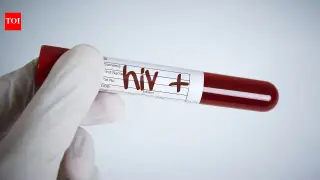
Experts debunk common HIV myths, clarifying that the virus spreads through specific body fluids (blood, semen, genital and rectal secretions) via unprotected sex, needle sharing, unsterilized medical procedures, or from mother to child, and not through casual touch, food, or mosquitoes. Early testing and antiretroviral therapy can reduce the viral load to undetectable levels (U=U), making transmission unlikely. Routine testing during pregnancy and for people at risk improves outcomes and helps prevent new infections, while reducing stigma encourages treatment and safer communities.
Central Florida reports a small uptick in leprosy cases in 2026, with 17 cases statewide and one case in Brevard, Lake, Orange, Seminole, and Sumter counties and two in Volusia; transmission is mainly via prolonged respiratory exposure, casual contact is unlikely, and armadillos can be a reservoir; the disease is curable with modern medications.
Ferrari reveals the 2027 12Cilindri Manuale, a V12 flagship that uses a bespoke six-speed gated shifter and clutch driven by a manuale-by-wire system. It reworks the SF90 Stradale’s eight-speed dual-clutch transmission to six gears, offering a true manual experience with an automatic mode, stall capability, and a 9,500 rpm redline. Only 1,499 Tailor Made coupes will be built, priced from €590,000 in Italy (no Spider).
The CIDRAP Op-Ed argues the US has already lost measles elimination due to ongoing domestic transmission, with 2025 outbreaks totaling hundreds of cases and 2026 on pace to exceed last year’s, accompanied by genomic data showing a single, continuing transmission chain across multiple states. It contends that PAHO/WHO criteria define elimination strictly, and delaying or redefining the status won’t restore it; only interrupting transmission for a full year and rebuilding vaccination coverage and surveillance will. The piece criticizes weakened public health funding and messaging that downplays the situation, urging candid acknowledgement and a renewed, concerted vaccination and surveillance effort to reclaim elimination.
A Cell Press Blue study finds romantic partners share mouth bacteria far more than gut bacteria, likely due to kissing, and shows mouth bacteria can seed the gut. Analyzing 1,644 saliva–stool samples from 808 people in 207 households, researchers describe a two-step transmission: bacteria spread between cohabitants, then move from mouth to gut, with some gut strains linked to poorer cardiometabolic health, though causality isn’t established; results are correlational and limited by sequencing data.
A study of 430 people in 207 households across Italy and Fiji shows that living under the same roof drives large-scale transfer of gut and oral bacterial strains, far exceeding genetic relatedness. Cohabitants share ~19% of gut and ~26% of oral strains, while romantically involved partners share about 44% of oral strains. Non-cohabiting individuals share markedly fewer strains. Importantly, the most transmissible gut bacteria correlate with biomarkers of Type 2 diabetes and poor cardiometabolic health, and certain oral strains linked to colorectal cancer. These findings could inform more effective probiotic and fecal microbiota transplant therapies by leveraging natural transmission traits.
New Mexico's SunZia Wind Project, the largest wind farm in the United States at 3,650 MW across 916 turbines, begins commercial operation and will export most power to Arizona and Southern California via a 550-mile HVDC transmission line, boosting New Mexico's total wind capacity to 7,647 MW (about 45% of the state’s mix). CAISO also reported a May 2026 wind-generation record as the project comes online.
Norovirus infections are rising across the U.S., a year‑round virus often called the winter vomiting disease. Experts say it spreads easily through direct contact, contaminated food/liquids, or touching contaminated surfaces, with dehydration being the biggest risk. There’s no specific medical treatment for norovirus beyond supportive care, so emphasis is on staying hydrated and practicing thorough handwashing (not just sanitizer), while avoiding people who are actively vomiting. The surge is not expected to last long and may subside as summer gatherings increase exposure and transmission tapers off.
WHO reports 13 Andes virus hantavirus cases linked to the MV Hondius cruise ship, including 3 deaths, with cases in Canada, the Netherlands, and Spain; preliminary data suggest onboard human-to-human transmission, but global risk remains low. International contact tracing is ongoing, and high-risk contacts face a 42-day quarantine and monitoring as investigations continue.
Despite a growing Ebola outbreak in the Democratic Republic of the Congo, U.S. experts say the risk to the United States is low because Ebola spreads via body fluids, not by air, and people are typically contagious only when seriously ill. Highest risk is to family and healthcare workers; past cases show limited transmission. The U.S. has implemented travel restrictions for travelers from DRC, Uganda and South Sudan, but experts argue such bans are not scientifically warranted and may hinder outbreak response.
Health experts say hantavirus is not airborne and mainly transmits via prolonged close contact, with the Andes strain showing limited person-to-person spread. Officials are isolating and monitoring exposed passengers from the MV Hondius outbreak, noting incubation can take 1–8 weeks and maintaining public‑health precautions.