Tag

Trappist 1e

All articles tagged with #trappist 1e

Webb Telescope Detects Potential Atmosphere on Habitable Exoplanet
science11 months ago

Webb Telescope Detects Potential Atmosphere on Habitable Exoplanet

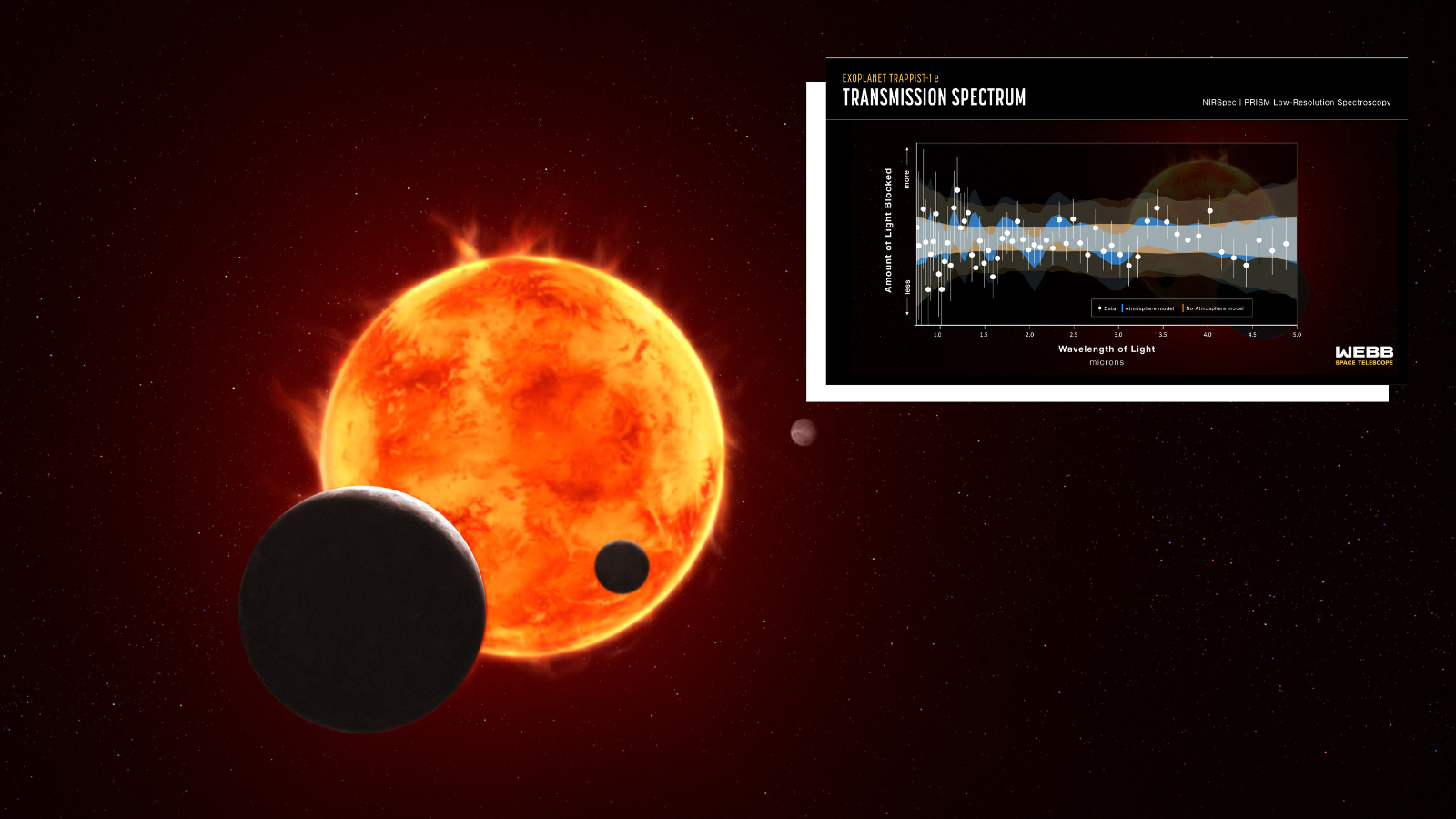
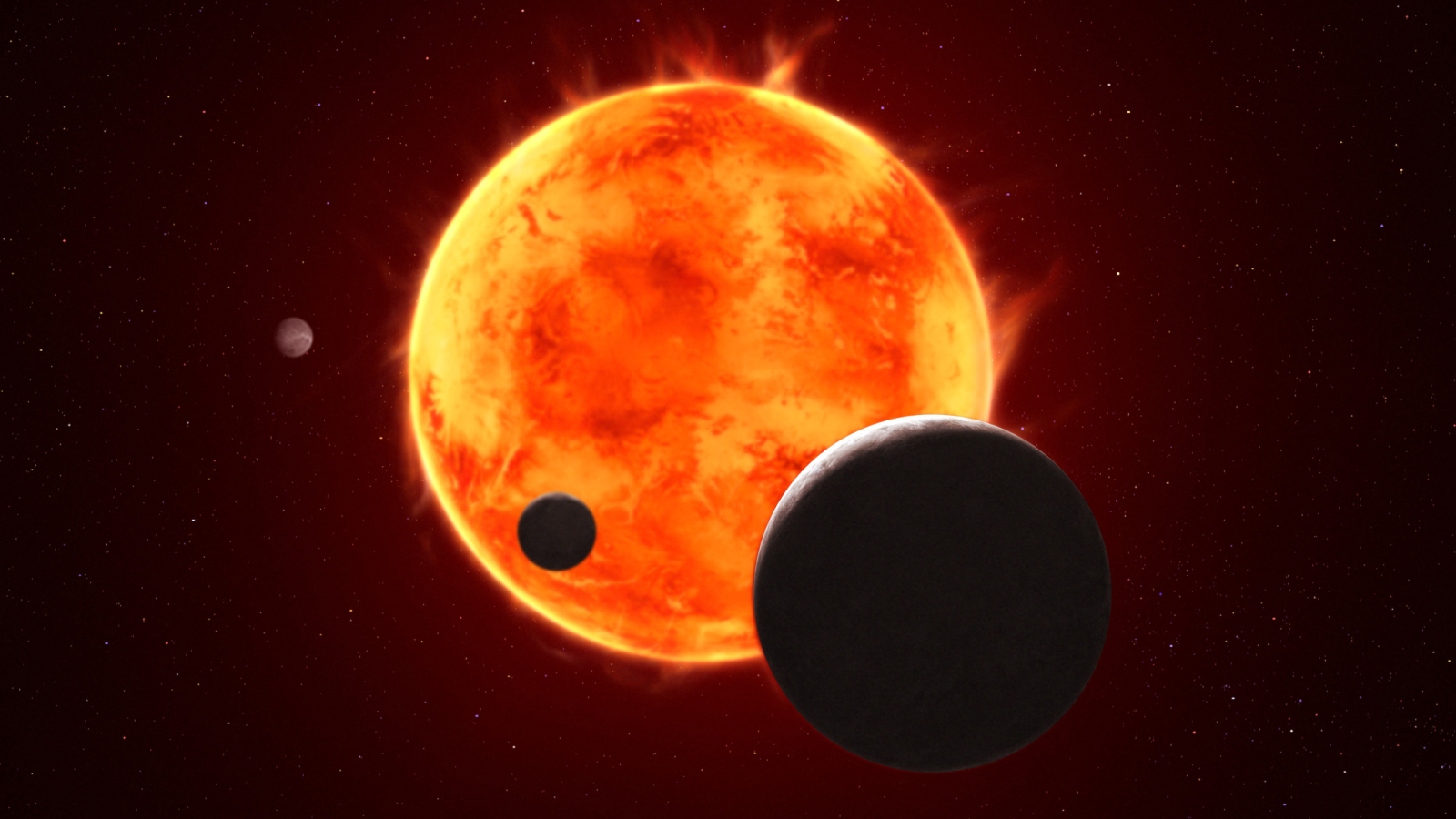
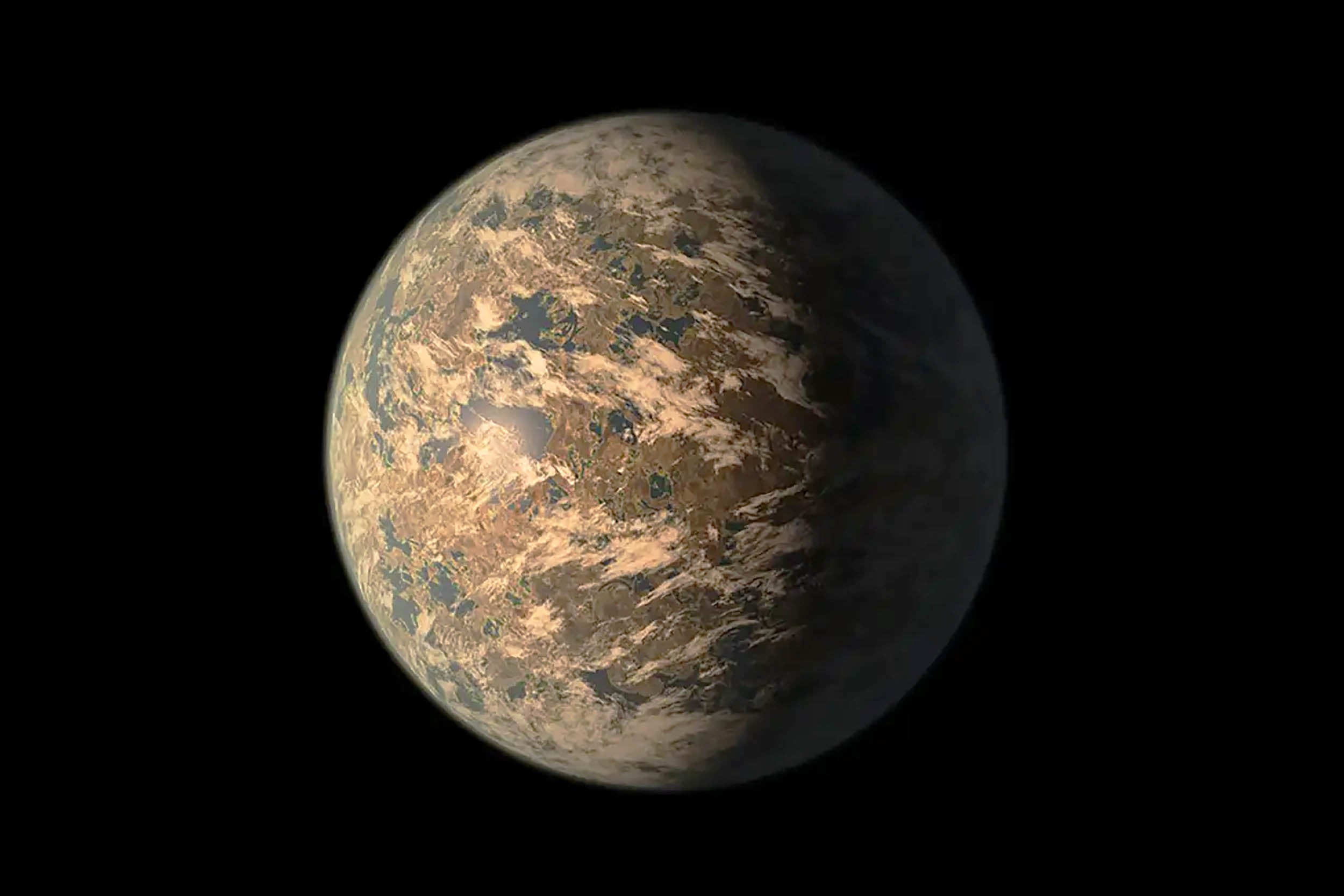
The James Webb Space Telescope has potentially detected signs of an atmosphere on the Earth-sized exoplanet TRAPPIST-1e, located 40 light years away in the habitable zone of its star, raising hopes for finding habitable conditions beyond Earth. Researchers observed the planet passing in front of its star, correcting for star contamination, and identified possible atmospheric signatures, though further observations are needed to confirm these findings.
Webb Telescope Finds Potential Signs of Life on TRAPPIST-1e
science1 year ago

Webb Telescope Finds Potential Signs of Life on TRAPPIST-1e

Astronomers using the James Webb Space Telescope are investigating the atmosphere of the Earth-sized exoplanet TRAPPIST-1e, located 40 light-years away in the habitable zone of its star. Initial data suggest two possible scenarios: the planet may have a secondary atmosphere with heavy gases like nitrogen, or it might be a bare rock with no atmosphere. Further observations are planned to clarify its potential habitability and the presence of conditions suitable for life.

"Threat of Atmospheric Destruction on Habitable Exoplanet"
astronomy2 years ago

"Threat of Atmospheric Destruction on Habitable Exoplanet"

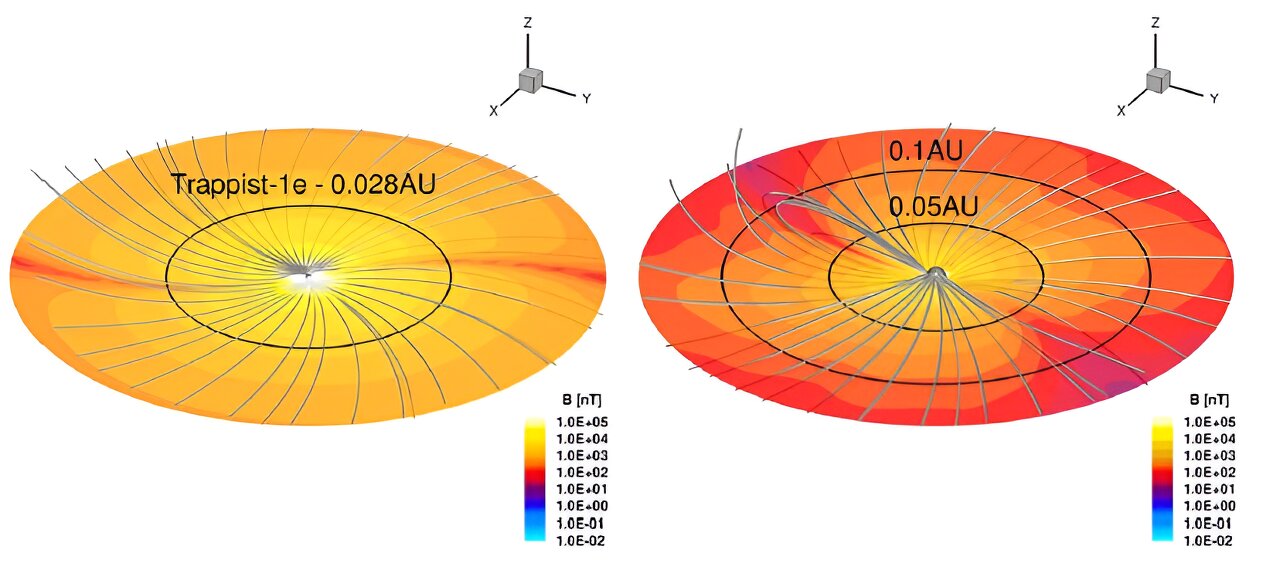
Astrophysicists studying the exoplanet Trappist-1e have found that electric currents in its upper atmosphere could generate enough heating to expand the atmosphere, potentially leading to atmospheric escape and rendering the planet uninhabitable. The rapid orbital motion of the planet through its star's extreme space environment could lead to significant heating, causing a strong atmospheric escape and suggesting that exoplanets located very close to their stars may be bare planets with no atmosphere. This research highlights the importance of considering Joule heating when assessing the habitability of exoplanets and raises questions about the value of studying planetary atmospheres without a confirmed atmosphere to study.