Tag

Trebuchet

All articles tagged with #trebuchet

Possible first trebuchet casualty identified in 14th‑century Stirling Castle skeleton
science1 month ago

Possible first trebuchet casualty identified in 14th‑century Stirling Castle skeleton

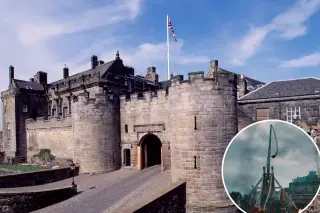
A 700-year-old skeleton (Skeleton 150) found at Stirling Castle shows extensive, high-velocity trauma consistent with being struck by a siege engine. Researchers say the fractures and skull damage, plus the context of a 1304 siege by Edward I, point to a trebuchet as the likely cause, making him a potential first recorded casualty of a trebuchet. The body was buried with seven other war casualties, and carbon dating places them in the 1300s; experts emphasize the injuries are inconsistent with accidental falls or trampling.


1304 Stirling Siege Likely Marks Trebuchet’s First Casualty
science1 month ago

1304 Stirling Siege Likely Marks Trebuchet’s First Casualty

Archaeologists report that a 1304 siege victim at Stirling Castle, who died from extensive blunt-force injuries, was likely struck by a high-velocity projectile from a trebuchet, potentially making him the first documented casualty of a trebuchet attack; analysis by Jo Buckberry links the injuries to the English siege using a War Wolf-type engine.

The first and only trebuchet fatality unearthed from a medieval siege
history1 month ago

The first and only trebuchet fatality unearthed from a medieval siege

Archaeologists studying Skeleton 150 buried beneath Stirling Castle’s chapel identify him as the only known trebuchet casualty in history: a Scottish defender killed by a heavy, fast-moving projectile during the 1304 siege, with injuries so extensive that forensic analysis rules out other causes and highlights the brutal physics of siege engines.

Stirling Castle Skeleton with 167 Fractures May Be Earliest Trebuchet Victim
archaeology1 month ago

Stirling Castle Skeleton with 167 Fractures May Be Earliest Trebuchet Victim

A 14th‑century skeleton (Skeleton 150) from Stirling Castle bears 167 fractures, including extensive skull and rib damage, suggesting death from a high‑velocity siege weapon. Carbon dating places the individual around 1300 during the Wars of Scottish Independence, with researchers noting a zigzag rib fracture pattern typical of severe trauma and identifying a siege‑engine strike as the likely cause—potentially making him the earliest known trebuchtet casualty linked to Edward I’s War Wolf.

Modern Trebuchet Breaks the Sound Barrier with Drum-Driven Power
technology2 months ago

Modern Trebuchet Breaks the Sound Barrier with Drum-Driven Power

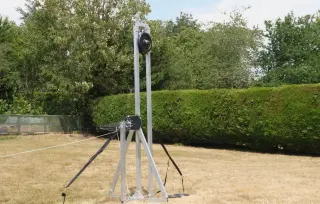
Tom Stanton’s video showcases a modernized trebuchet that uses a drum-wound rope and a release latch to convert the energy of a dropping weight into rapid arm rotation. Through several tests and redesigns, the launcher achieves speeds from about 528 km/h with a 10 kg weight to around 1,249 km/h with a 40 kg counterweight and a 4 g projectile, including an initial ~0.0025 second release window and notes of component stress—demonstrating a high-speed physics demonstration rather than battlefield practicality.