

Tag

Tumor Regression

All articles tagged with #tumor regression

Single-Dose Frog-Derived Bacterium Trims Tumors Completely in Mice
science16 hours ago

Single-Dose Frog-Derived Bacterium Trims Tumors Completely in Mice

A bacterium isolated from frog gut, Ewingella americana, was given intravenously to mice with colorectal cancer and achieved a 100% complete tumor remission by both directly killing cancer cells and activating an anti-tumor immune response, outperforming some conventional therapies in this model; the bacterium selectively accumulates in tumors, clears rapidly from the bloodstream, and shows no lasting toxicity to healthy organs, suggesting a novel biodiversity-derived approach with potential for other cancers.
Century-Old Method Revives Hope for Metastatic Ovarian Cancer Treatment
health1 year ago

Century-Old Method Revives Hope for Metastatic Ovarian Cancer Treatment

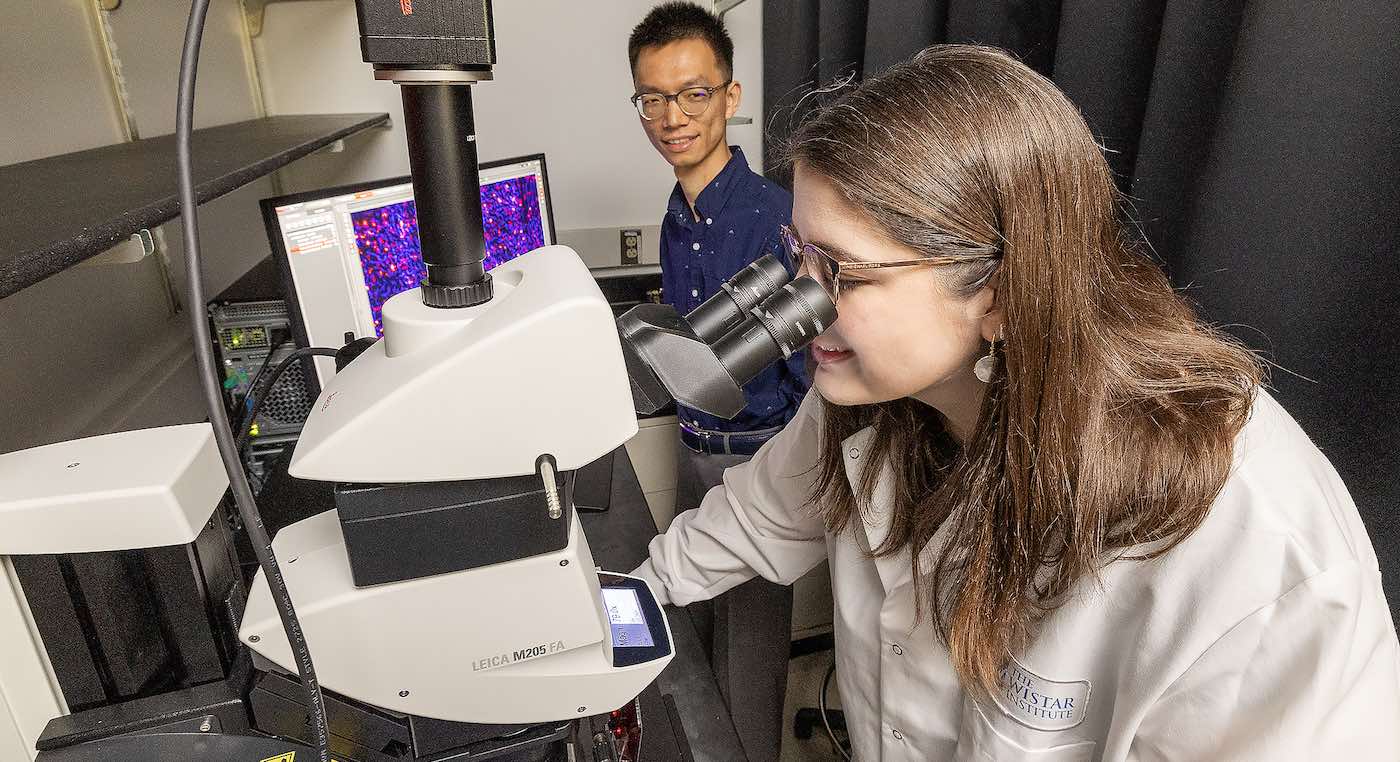
Researchers at the Wistar Institute have developed a novel treatment for metastatic ovarian cancer that activates myeloid cells in the peritoneal cavity using a combination of beta-glucan and interferon-gamma. This approach, inspired by early 20th-century methods, has shown promising results in preclinical models, significantly reducing tumor size and overcoming chemotherapy resistance. The findings, published in The Journal of Experimental Medicine, suggest a potential new method for treating this aggressive cancer.

"Promising Results: CAR-T Cell Therapy Shrinks Brain Tumors in Early Trials"
medical-breakthrough2 years ago

"Promising Results: CAR-T Cell Therapy Shrinks Brain Tumors in Early Trials"

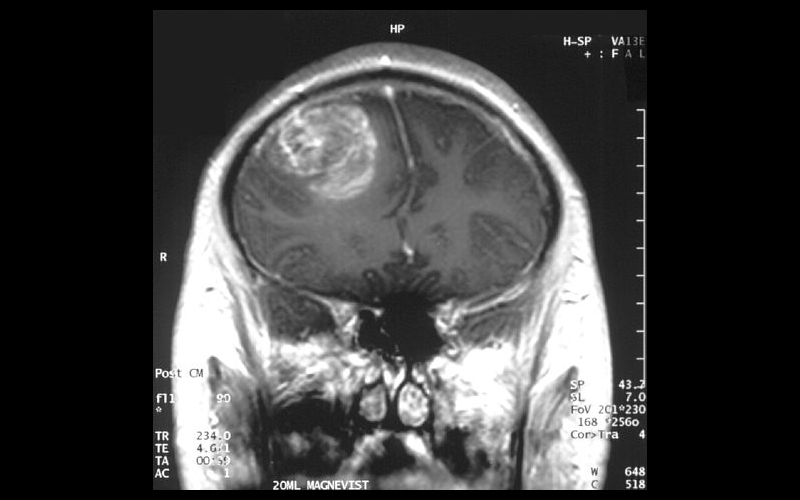
A clinical trial for CAR-T cell therapy in patients with glioblastoma, a deadly form of brain cancer, has shown promising results, with some patients experiencing significant tumor regression just days after treatment. The therapy, which uses a patient's own immune cells to target the tumor, resulted in near-complete tumor regression in one patient after five days. The researchers emphasize the need for further research to refine this treatment, but are optimistic about its potential to change the outlook for this challenging disease.