Tag

Ufs 50

All articles tagged with #ufs 50

Galaxy S27 Ultra Could Miss Two High-Speed Upgrades
technology2 hours ago

Galaxy S27 Ultra Could Miss Two High-Speed Upgrades

Two major speed upgrades reportedly won’t reach the Galaxy S27 Ultra (and possibly the S27 Pro): UFS 5.0 storage and LPDDR6 memory. A credible leak says Samsung will not bring UFS 5.0 or LPDDR6 to the flagship lineup next year, with only small quantities produced in limited-edition runs. UFS 5.0 would offer much faster read/write speeds (up to about 10.8 GB/s read and 9.5 GB/s write). It remains unclear whether all S27 models (Snapdragon 8 Elite Gen 6 or Exynos 2700 versions) will skip these upgrades.

Galaxy S27 Ultra set for a speed boost with 2nm chip and UFS 5.0 storage
technology1 month ago

Galaxy S27 Ultra set for a speed boost with 2nm chip and UFS 5.0 storage

Samsung announced UFS 5.0 storage with up to 10.8 GB/s read and 9.5 GB/s write, plus 40% better power efficiency and a smaller package, aimed at accelerating on‑device AI and overall performance. The Galaxy S27 Ultra is rumored to pair this with a 2nm chip, which could make it the first handset to adopt the standard, delivering a snappier experience. Mass production of UFS 5.0 is slated for Q4 2026, signaling a potential competitive edge for the S27 Ultra.

Samsung unveils the first UFS 5.0 chip, hinting at a Galaxy S27 speed boost
technology1 month ago

Samsung unveils the first UFS 5.0 chip, hinting at a Galaxy S27 speed boost

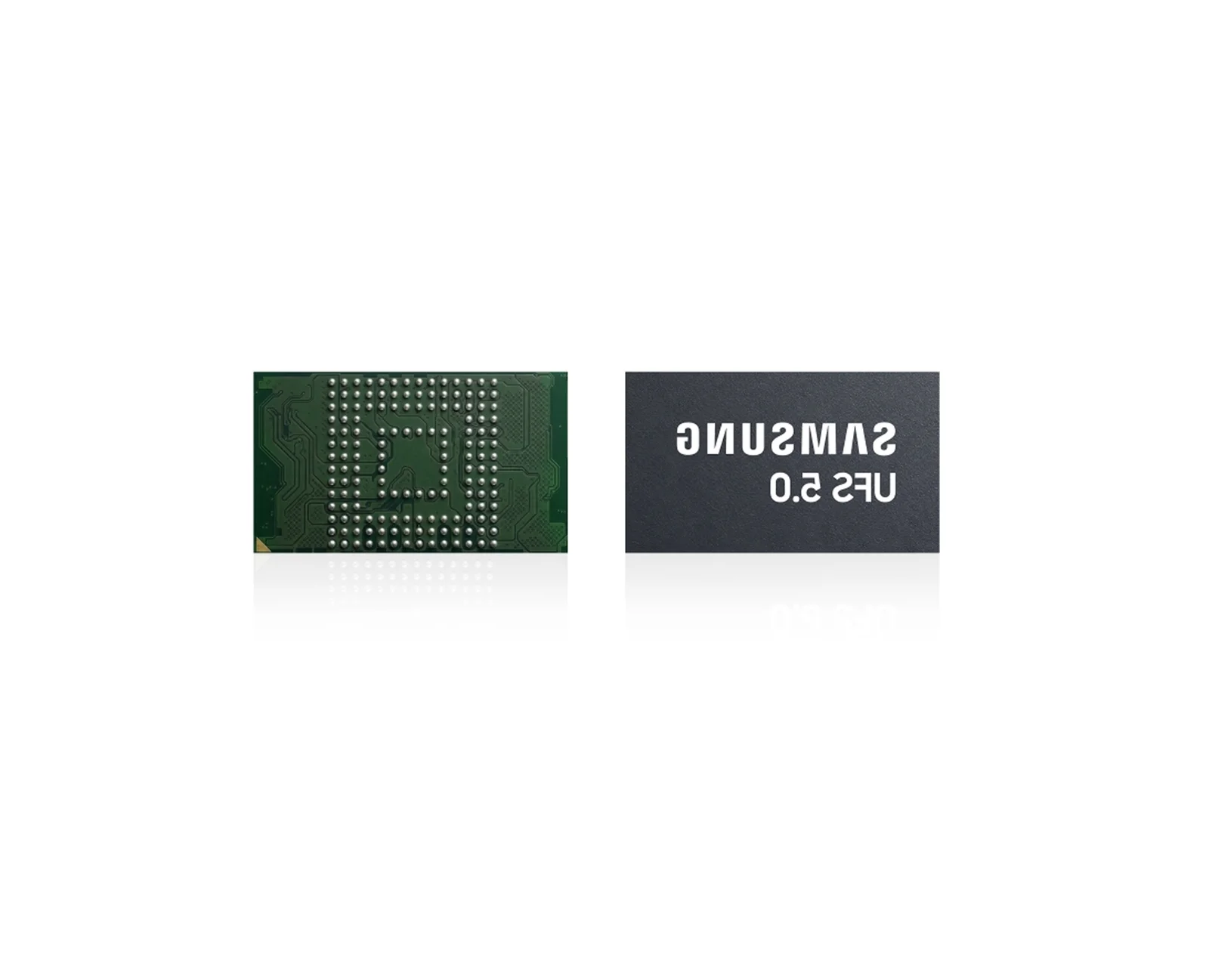
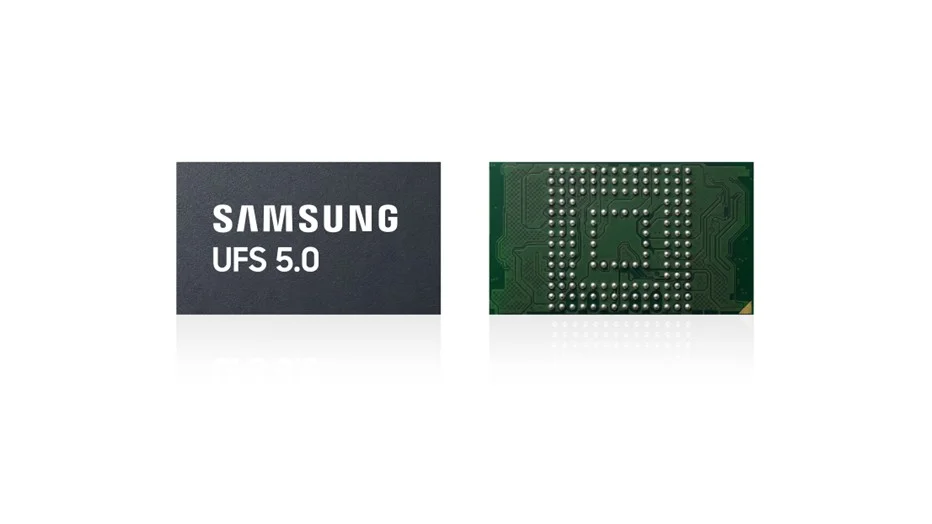
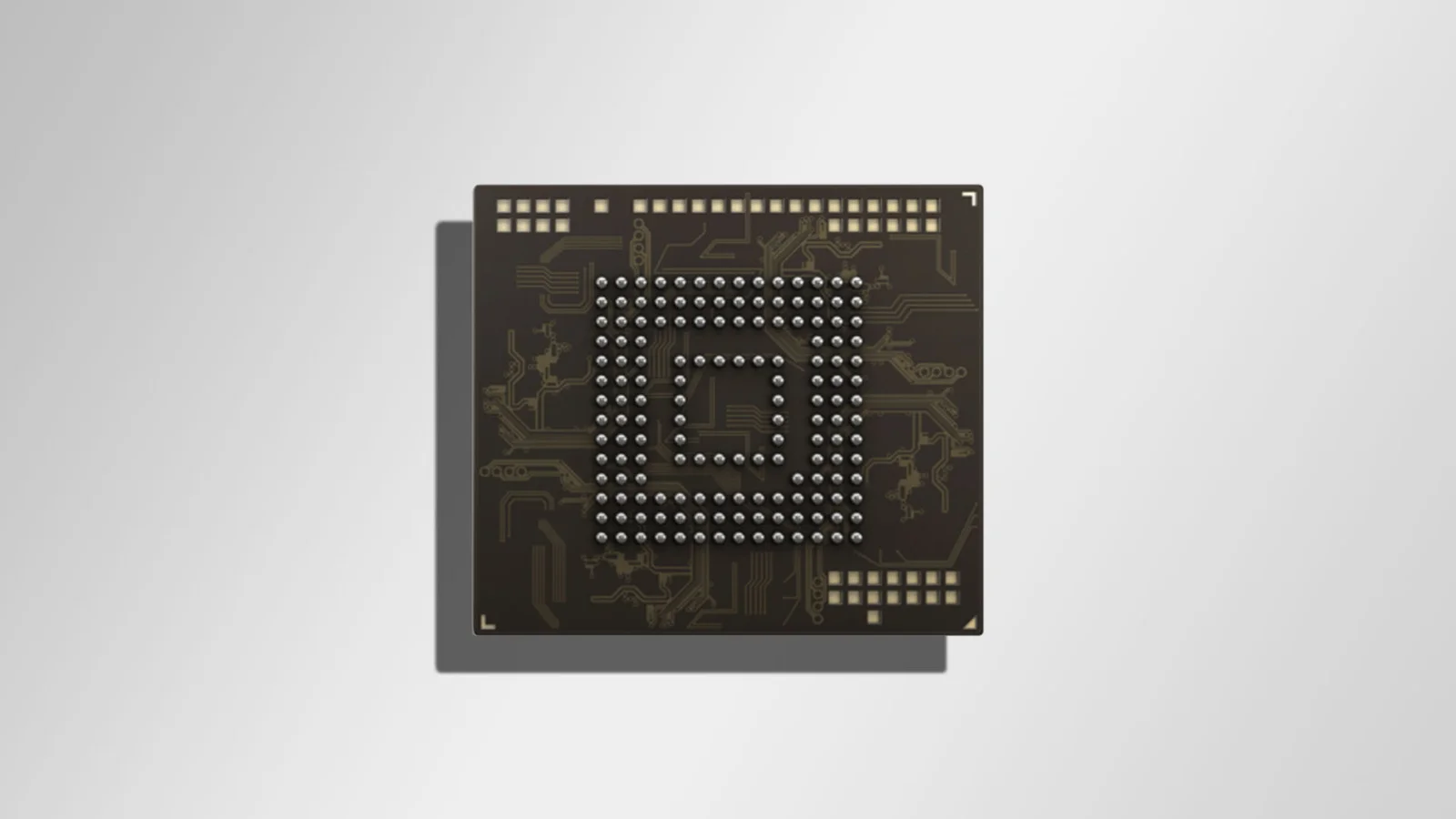
Samsung announced the world’s first UFS 5.0 storage chip, delivering up to 10.8GB/s read and 9.5GB/s write speeds with about 40% better efficiency than UFS 4.1. The chip measures 7.5mm×13mm×0.9mm and will enter mass production in Q4 2026 with capacities up to 1TB. Samsung also said the Exynos 2700 will natively support UFS 5.0, suggesting the Galaxy S27 could be among the first devices to ship with the new standard.

Samsung unveils fastest UFS 5.0 to accelerate on-device AI
technology1 month ago

Samsung unveils fastest UFS 5.0 to accelerate on-device AI

Samsung Electronics announced the industry’s fastest UFS 5.0 storage solution, delivering up to 10.8 GB/s sequential read and 9.5 GB/s write, with more than 40% power efficiency gains versus UFS 4.1, in a compact 7.5 × 13 × 0.9 mm package (16.7% smaller). Mass production starts in Q4 in capacities up to 1 TB, enabling faster on-device AI for next-gen mobile, wearables and XR devices.

Qualcomm’s Snapdragon 8 Elite Gen 6 Pro Aims for RAM/Storage Flexibility to Trim OEM Costs
technology5 months ago

Qualcomm’s Snapdragon 8 Elite Gen 6 Pro Aims for RAM/Storage Flexibility to Trim OEM Costs

Rumors say the Snapdragon 8 Elite Gen 6 Pro will support LPDDR6 RAM and UFS 5.0 storage, but may also be compatible with older memory and storage standards to help OEMs cut costs amid DRAM price pressures. Xiaomi is reportedly testing the Pro variant, while the standard Gen 6 could have more limited RAM options. Qualcomm’s strategy reportedly leverages a shift to TSMC’s 2nm process to balance newer performance with cost flexibility for partners.

Exynos 2700 targets thermal supremacy with C2 cores and LPDDR6
technology6 months ago

Exynos 2700 targets thermal supremacy with C2 cores and LPDDR6

Samsung's Exynos 2700 (codenamed Ulysses) aims to boost thermal efficiency and performance with Samsung's SF2P 2nm GAA process, new ARM C2-Ultra/Pro cores, a unified copper Heat Path Block, and FOWLP-SbS packaging. It also leverages faster LPDDR6 and UFS 5.0 and is positioned as a potential challenger to Qualcomm's Snapdragon 8 Elite Gen 5, projecting notable IPC and clock-speed gains over the 2600.

UFS 5.0 Storage Set to Double Speed, Boosting AI and Future Devices
technology9 months ago

UFS 5.0 Storage Set to Double Speed, Boosting AI and Future Devices

UFS 5.0 storage standard has been announced, promising speeds up to 10.8GB/second, nearly 160% faster than UFS 4.0, with the goal of meeting AI demands. This leap in storage performance could influence future Google Pixel phones, which have historically lagged in storage speed upgrades, as AI becomes a central focus. The new standard includes features like integrated link equalization, noise isolation, and inline hashing for security.