A federal lawsuit accuses the Trump administration of illegally sharing confidential information about Iranian asylum seekers with Iran, alleging privacy violations and raising questions about U.S. immigration policy.
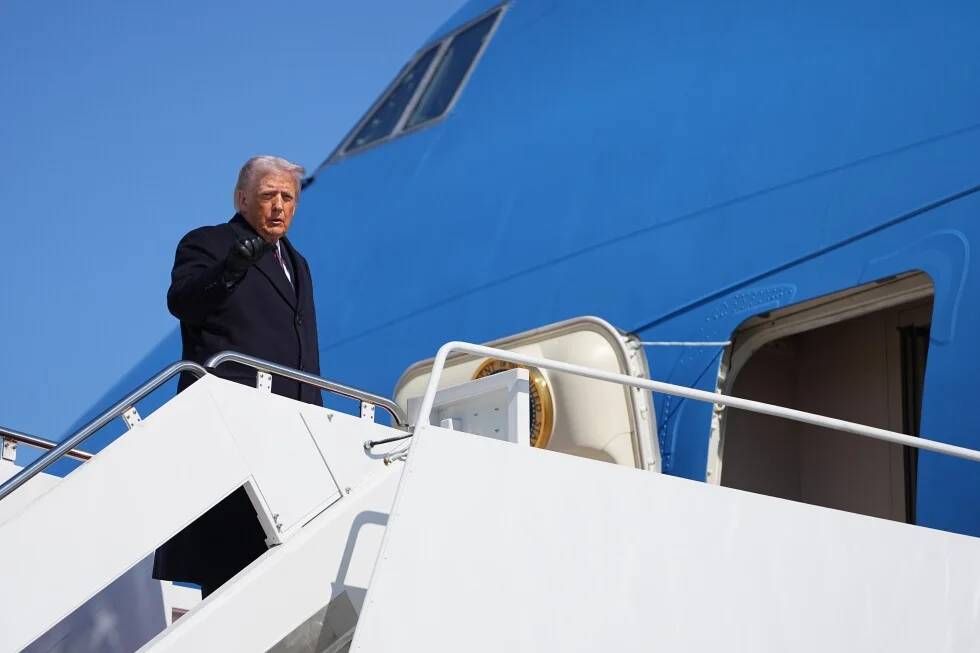
After Trump blamed Tehran for a helicopter crash, the United States launched airstrikes on Iran, with a U.S. helicopter crew reportedly rescued by a drone boat and later airlifted; Trump touted the crew’s safety while signaling ongoing pressure and optimism for a possible deal. Israel reportedly conducted strikes against Hezbollah infrastructure in southern Lebanon, underscoring broader regional tensions, as mediators led by Pakistan continue efforts to broker a deal with Iran that hinges on sanctions relief and nuclear concessions.
A federal judge blocked the Trump administration's plan to impose a $100,000 fee on new H-1B visas, ruling the move unlawful. The DHS criticized the ruling as activist while officials signaled the policy could be overturned on appeal, framing the case as a clash over immigration reform and the impact on skilled workers and communities that rely on international talent.
Mississippi marks America’s 250th anniversary by presenting a fuller, sometimes more critical history of the state, foregrounding civil rights struggles and regional perspectives that contrast with federal commemorations and messaging.
Trump administration officials say any Iran strike would be narrowly focused and 'that simple,' but messaging and policy divisions among aides, plus congressional pushback on war powers, inject uncertainty about how far the U.S. would go and how the decision would be framed abroad.
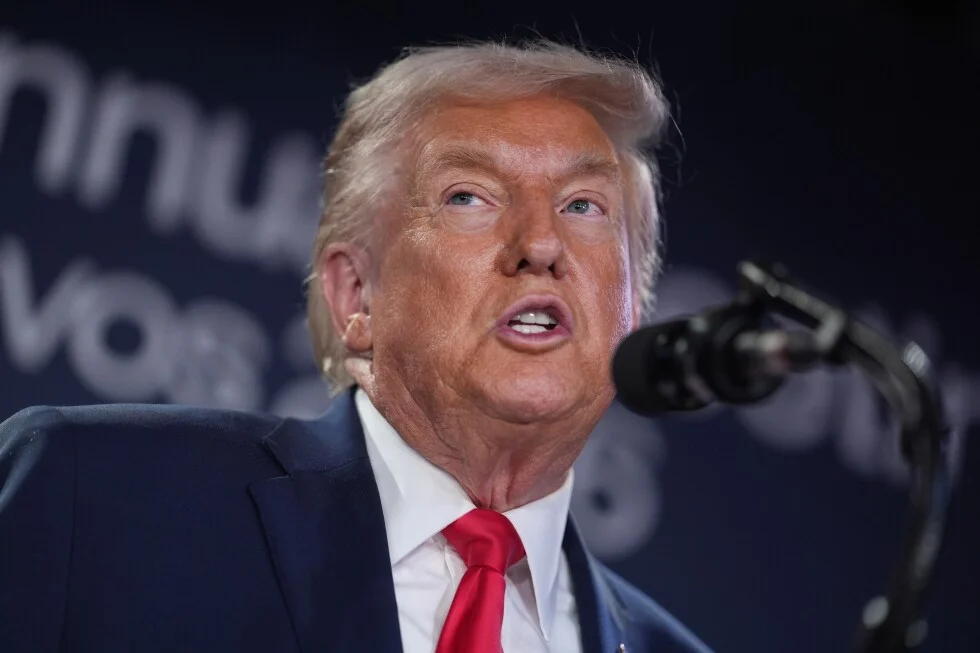
AP traces how Trump’s move to strike Iran evolved from doubts about nuclear talks to a rapid, multi-target mission: despite intelligence noting no imminent Iranian attack, officials announced hundreds of strikes on IRGC facilities and air defenses, with Defense Secretary saying it’s not a regime-change war and White House forecasting a four- to five-week campaign (possible longer), while regional partners adjusted and markets reacted.
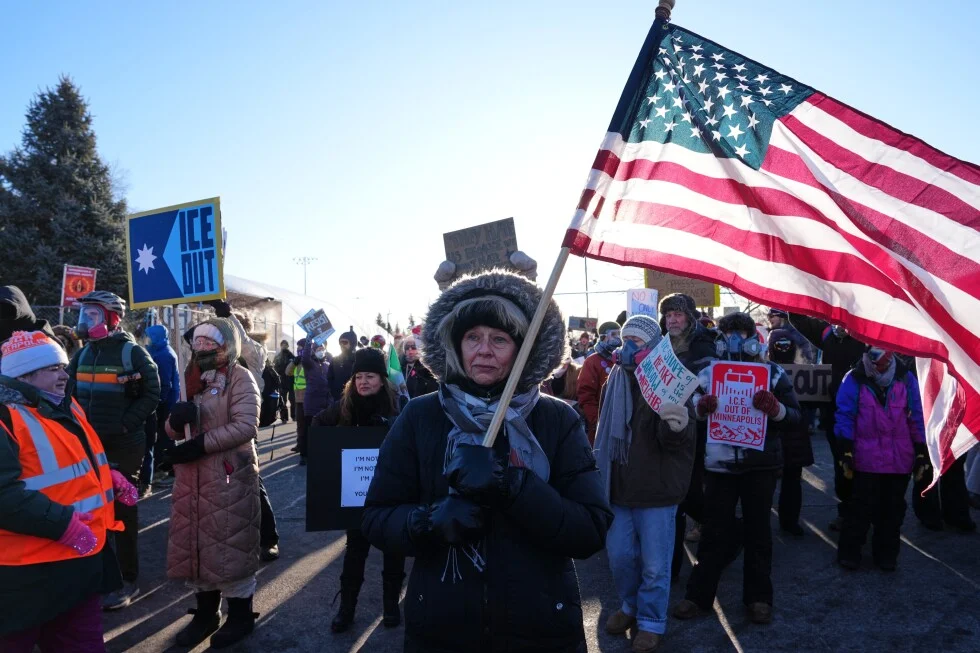
Protesters nationwide are calling for a general strike to oppose the Trump administration's immigration crackdown, with demonstrations planned in multiple cities as activists push for immigration reform and changes to border policies.
The Trump administration directed federal agencies to compile and publish data detailing how much federal money has been distributed to Democratic-leaning states, aiming to provide a state-by-state view of federal funding as part of political messaging.
Cisco has released security updates for multiple products, as announced by the Cybersecurity and Infrastructure Security Agency (CISA) of the United States government. The updates aim to address vulnerabilities in these products and enhance their security.
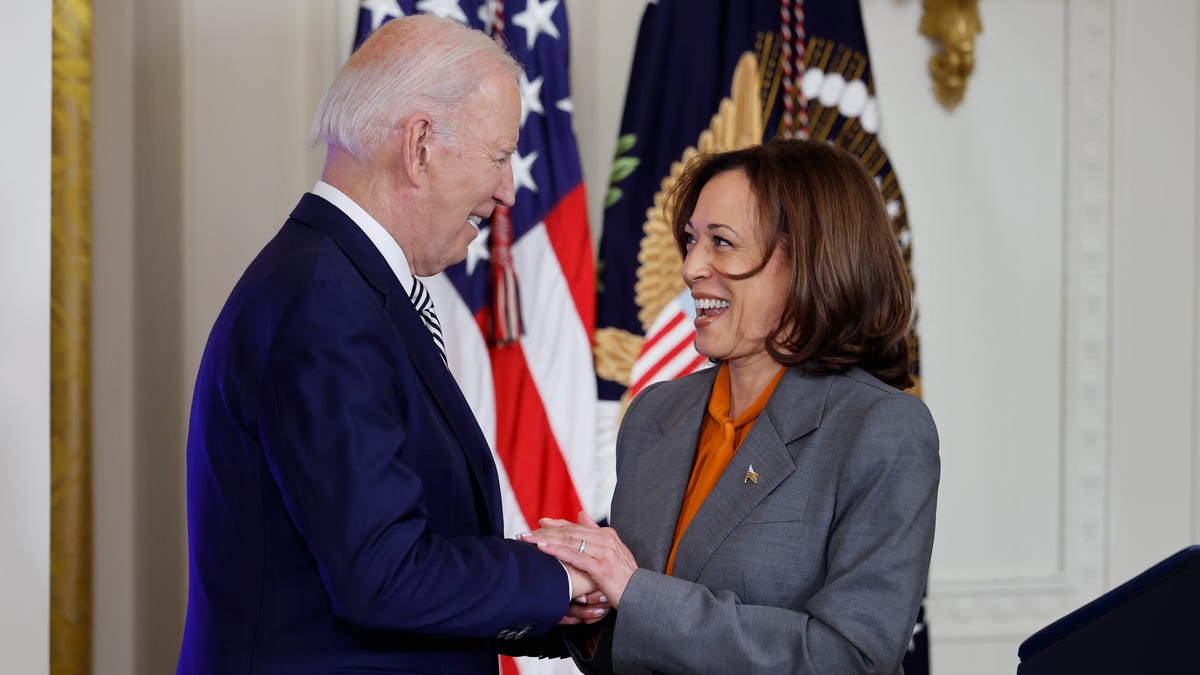
The Presidential Succession Act of 1947 outlines the order of leaders who can assume the presidency if the sitting president becomes incapacitated, dies, resigns, or is removed from office. The vice president is first in line, followed by the speaker of the House and other cabinet members. Vice President Kamala Harris is currently first in line for the presidency, followed by House Speaker Mike Johnson and Sen. Patty Murray. The act requires individuals in the line of succession to be at least 35 years old, natural born citizens, and to have lived in the U.S. for 14 years.