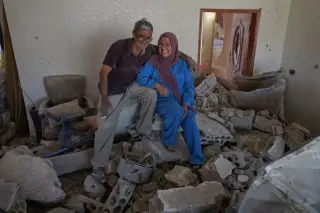
A Lebanese couple is among those returning to shattered homes under a US-brokered deal with Israel, illustrating the human toll of ongoing regional conflict and how diplomacy is shaping fragile returns for displaced families amid rising tensions.
Hezbollah leader Naim Qassem denounced the U.S.-brokered framework for Israel-Lebanon security as “null and void,” accusing Beirut of unilateral concessions that would legitimize Israel’s military presence and pledging to keep up the armed resistance. The plan envisages phased Israeli withdrawal from parts of southern Lebanon with Lebanese army deployment, while allowing Israel to remain in an expanded security zone for now. A Lebanese drone strike was reported in Nabatieh al-Fawqa amid ongoing hostilities, and more than a million Lebanese have been displaced. Qassem argued the Iran-U.S. memorandum guaranteeing Lebanon’s territorial integrity should be the basis to end the conflict, not Friday’s Washington deal.
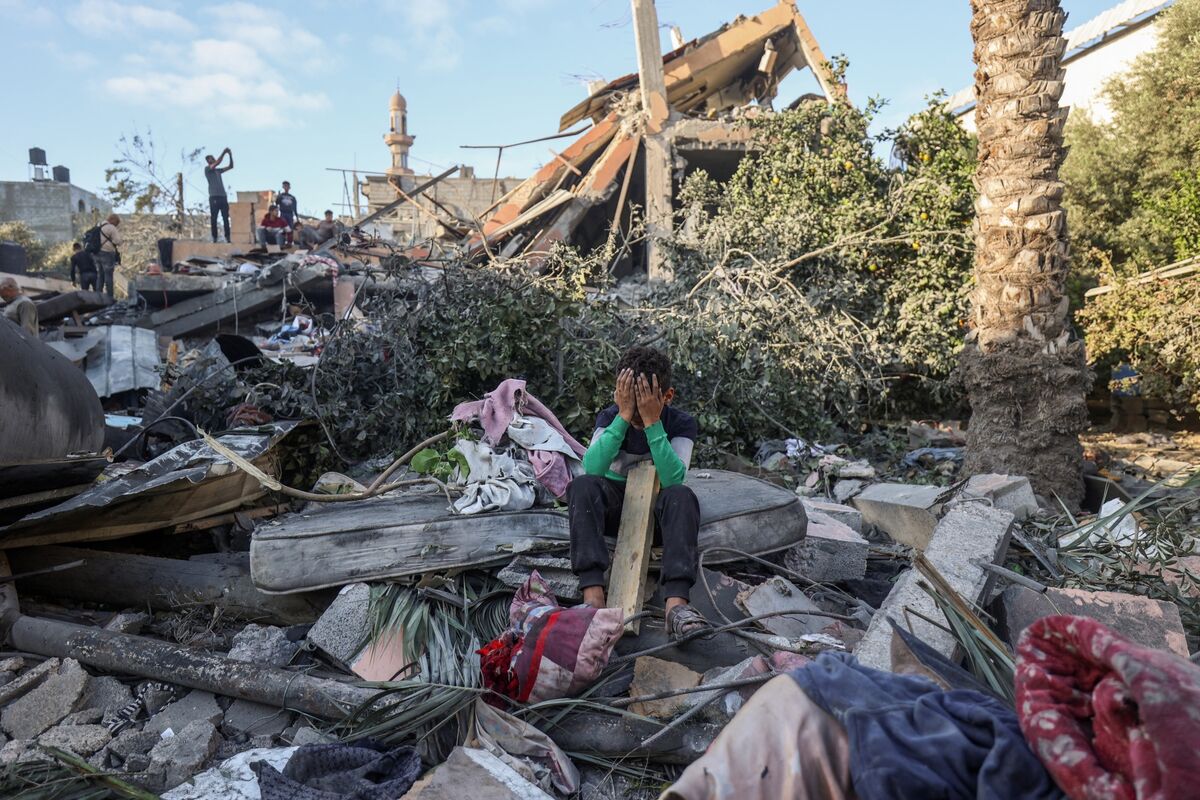
The fragile ceasefire in Gaza has been temporarily disrupted by Israeli airstrikes but has been restored after Israel halted strikes, with international leaders expressing confidence that the truce will hold despite recent violence and tensions over hostage recovery and military actions.
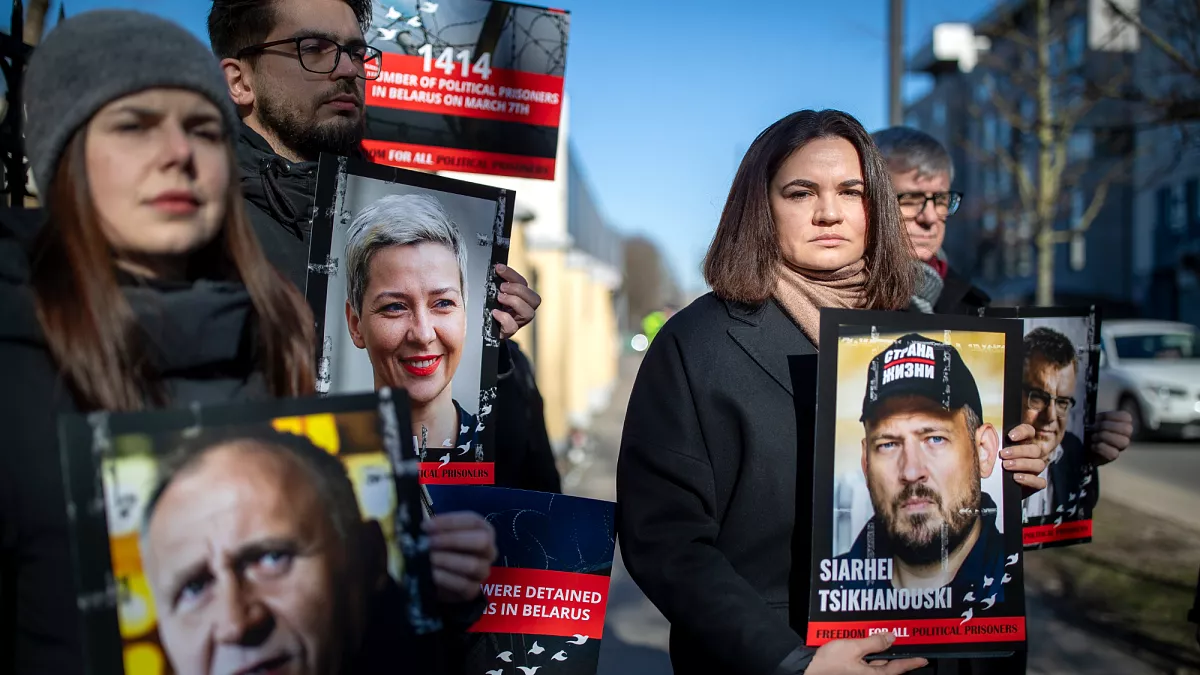
Belarus has released a group of political prisoners, including opposition leader Siarhei Tsikhanouski, in a US-brokered deal with President Lukashenka, amid ongoing tensions and efforts to ease Western sanctions, while Tsikhanouski remains a prominent figure in Belarus's political landscape.
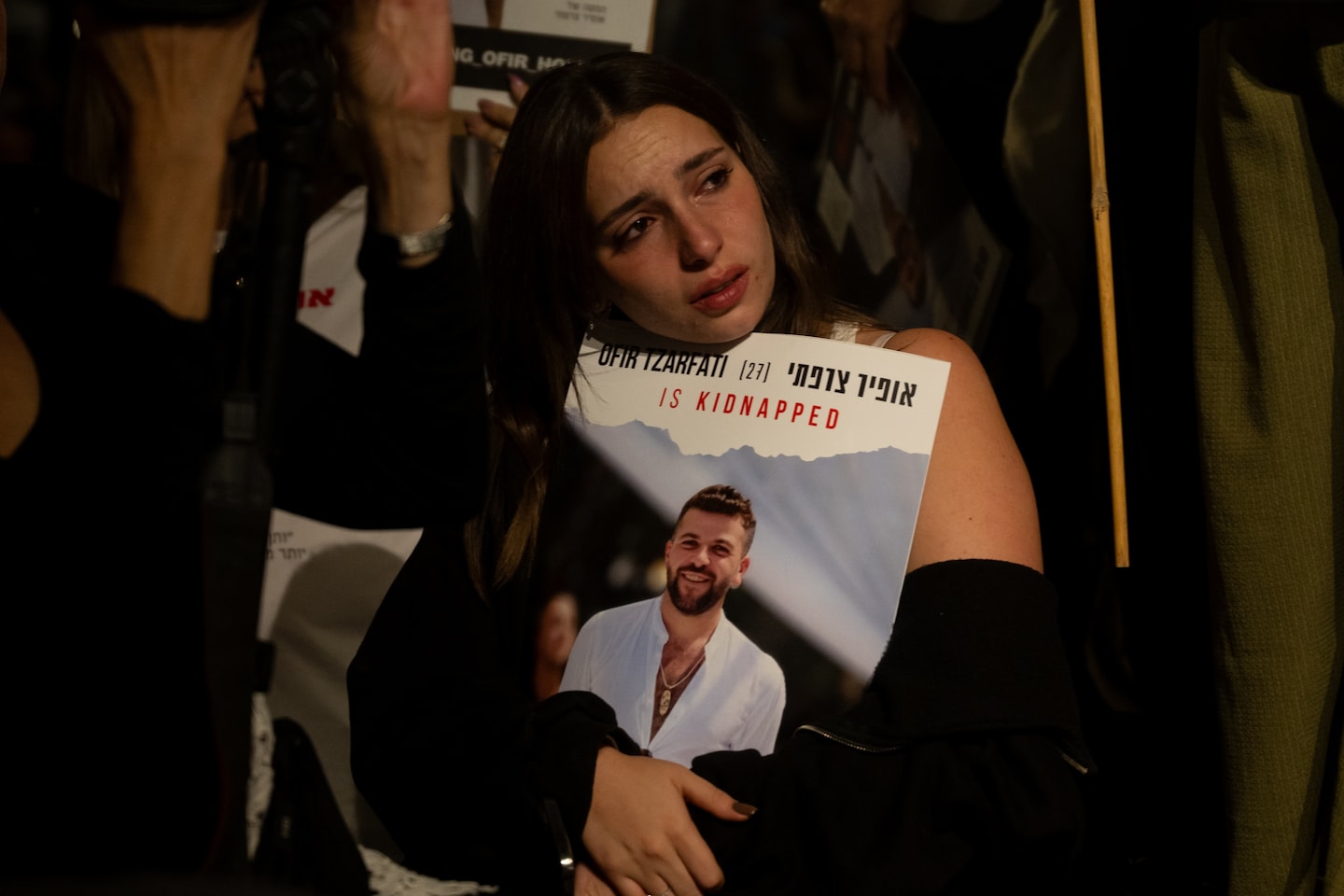
Israel, the United States, and Hamas have reached a tentative deal brokered by the U.S. to pause the conflict in Gaza and free dozens of hostages. The agreement includes a five-day freeze in combat operations while an initial 50 or more hostages are released in smaller batches every 24 hours. The release of women and children held captive is expected to lead to the first sustained pause in the conflict. The deal also aims to increase humanitarian assistance, including fuel, to enter Gaza from Egypt. The agreement was put together during talks in Doha, Qatar, and Israel's decision to accept the deal is difficult due to domestic pressure. The Biden administration has fully backed the temporary pause in fighting and has prioritized the release of American hostages.