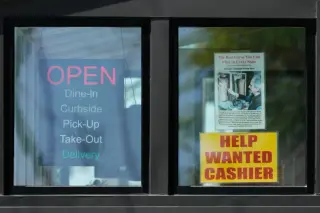
New unemployment-benefit claims rose to their highest level since the Iran war began, signaling a potential uptick in layoffs, but the overall pace of layoffs remains historically low as hiring remains resilient amid geopolitical uncertainty.
U.S. weekly unemployment claims fell to 189,000—the lowest level in more than five decades— signaling a still-tight labor market, even as economists warn rising costs could weigh on hiring and business activity in the months ahead.
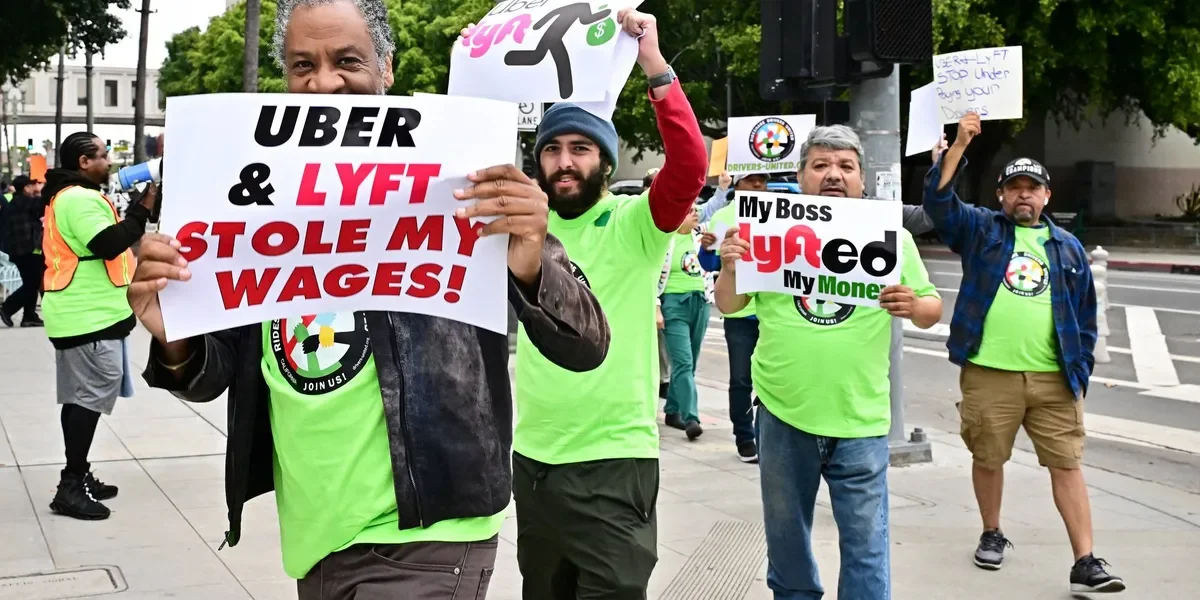
The Trump administration unveiled two major labor policy moves: the Department of Labor proposed a new independent contractor rule that critics say would strip workers of federal minimum wage and overtime protections by prioritizing two factors (control over the work and the opportunity for profit or loss), with a 60-day public comment window. Concurrently, the National Labor Relations Board revived its 2020 joint-employer rule. Labor advocates argue these moves favor corporations, risk expanding misclassification, and could weaken protections for gig workers in ride-hail and delivery, while supporters say the changes clarify employer responsibility. The overall tone from critics is that these policies amount to an anti-worker push, described by some lawmakers as “outright grift.”
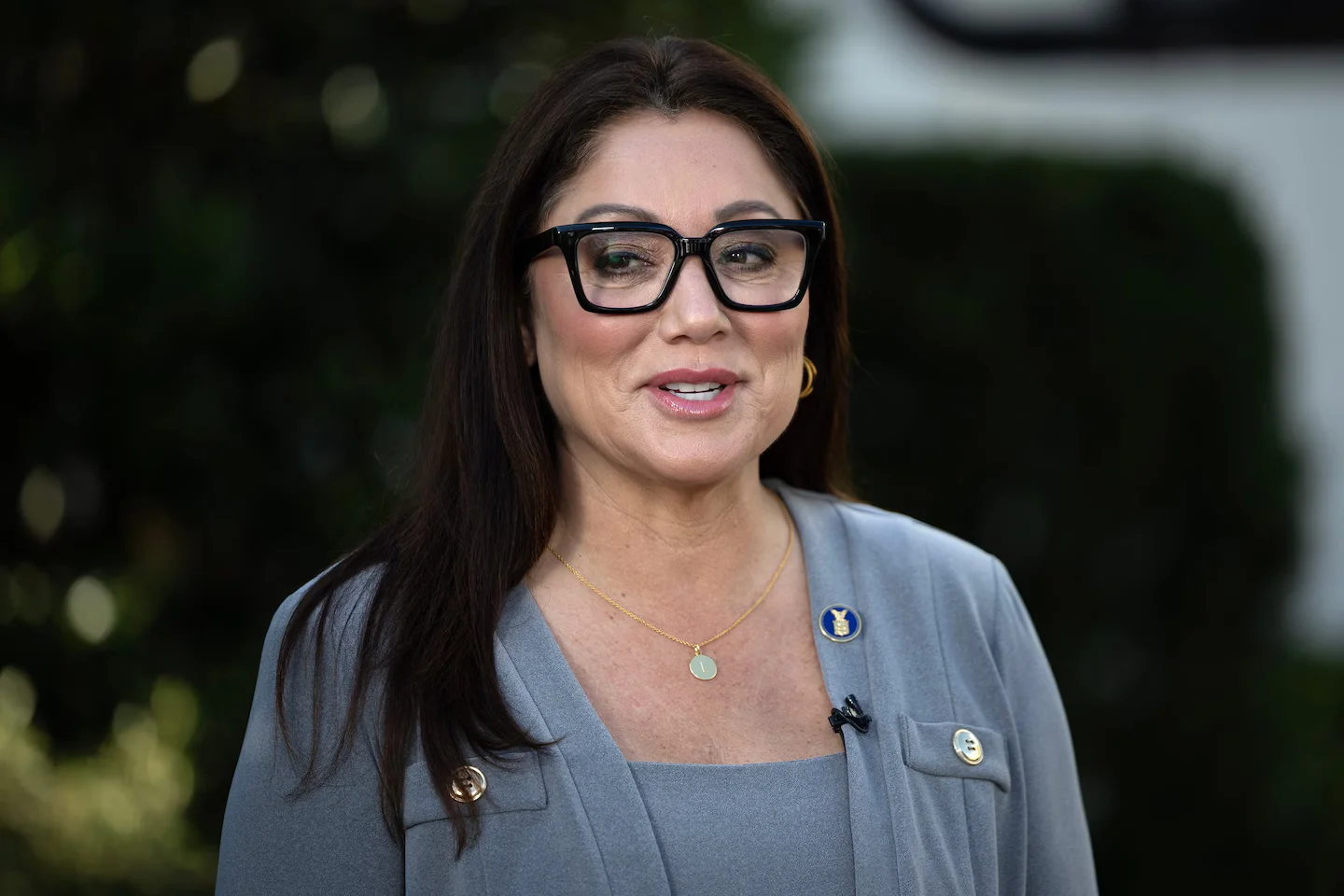
Facing misconduct allegations that led to suspensions of two aides for personal travel on official trips, Labor Secretary Lori Chavez-DeRemer has the Trump administration’s backing; reports also allege she had an affair with a staffer and drank in her office, according to a New York Post report cited by The Washington Post.
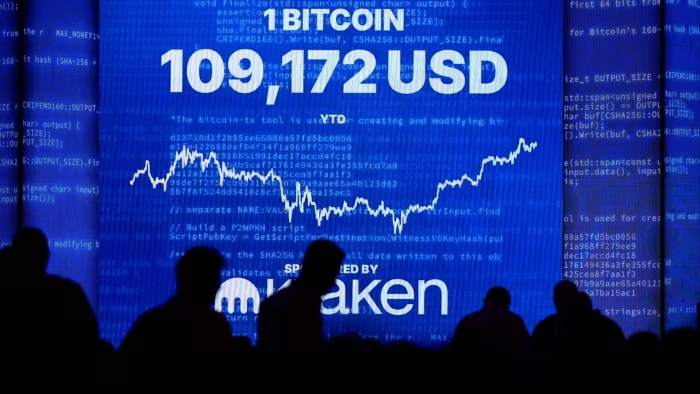
The US Department of Labor has relaxed its guidance, allowing retirement plan managers to consider including cryptocurrencies like Bitcoin in 401(k) plans, signaling a more permissive stance under the Trump administration compared to the previous Biden administration, and reflecting a broader move towards embracing digital assets in investment portfolios.
The US Department of Labor has rescinded its 2022 guidance that discouraged including cryptocurrency in 401(k) plans, reaffirming its neutral stance and emphasizing that investment decisions should be made by fiduciaries, not regulators.
The CFO of a multinational media company, Weidong Guan, has been charged with laundering approximately $67 million in fraud proceeds, including unemployment insurance benefits, through a complex transnational scheme involving cryptocurrency. Guan allegedly lied to banks about the source of the funds, claiming they were donations. He faces up to 80 years in prison if convicted.
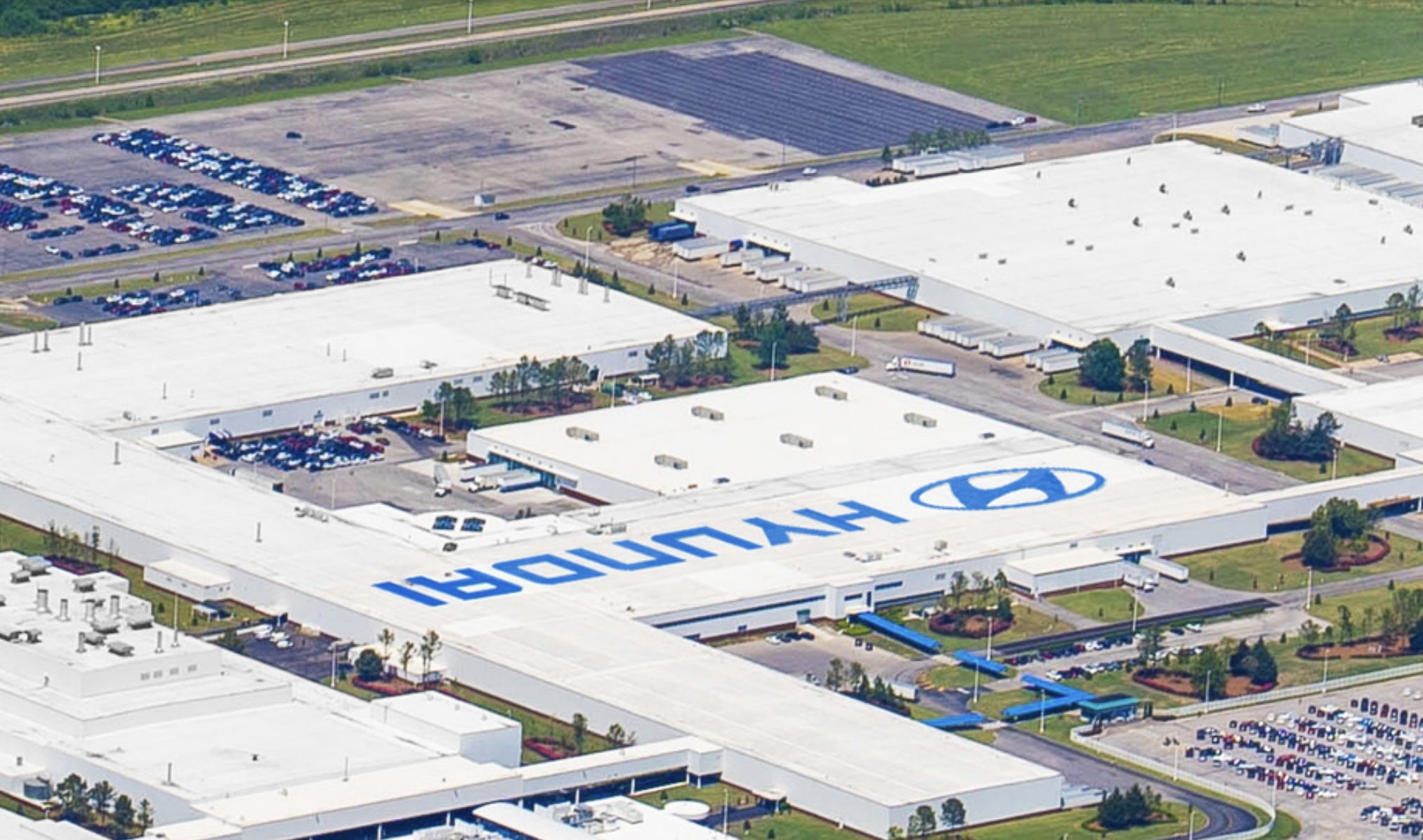
The US Department of Labor has filed a complaint against Hyundai and two Alabama companies for employing a 13-year-old child in an assembly plant. The investigation revealed the child worked 50-60 hours per week operating machines for auto parts. The complaint names Hyundai Motor Manufacturing Alabama LLC, SMART Alabama LLC, and Best Practice Service, LLC, alleging they willfully violated child labor laws.
The U.S. Department of Labor is suing Hyundai Motor Co., SMART Alabama, and Best Practice Service for allegedly employing a 13-year-old girl on an assembly line in Alabama. The complaint seeks to hold Hyundai accountable for child labor violations at its subsidiary and staffing agency, marking the first time the Labor Department has sued a major company for such violations at a subcontractor. Hyundai denies liability and has taken measures to ensure compliance with labor laws.
The U.S. Department of Labor has sued Hyundai Motor Co, an auto parts plant, and a labor recruiter for using child labor in Alabama. The lawsuit seeks to recover profits related to the illegal employment of children, some as young as 12, at a Hyundai subsidiary and other parts suppliers. The Labor Department's investigation found that a 13-year-old worked up to 60 hours a week at a plant supplying parts to Hyundai. Hyundai claims it no longer owns the subsidiary and has taken steps to address the issue. The case highlights a broader problem of child labor violations in the U.S.
U.S. business groups have filed a lawsuit to block a Biden administration rule that would extend mandatory overtime pay to 4 million workers, arguing it would force job cuts and limit hours. The rule raises the salary threshold for overtime pay from $35,500 to $58,600 per year. The case is being heard in Sherman, Texas federal court.
The U.S. Department of Labor reports that over 4,700 workers in Missouri and Kansas are owed a total of $2.4 million in back pay, with a significant amount remaining unclaimed due to difficulties in locating some of the workers. An online search tool called Workers Owed Wages (WOW) has been created to help workers nationwide determine if they are owed back pay. If unclaimed, the Department of Labor's Wage and Hour Division can only hold the funds for three years before turning them over to the Department of the Treasury.
More than 3,200 Missouri workers are owed a share of $1.4 million in back pay, with a significant amount remaining unclaimed due to difficulties in locating some of the workers. The U.S. Department of Labor has created an online search tool called Workers Owed Wages (WOW) to help employees nationwide determine if they are owed money and how to receive it. The department urges individuals to use the tool to check if they are eligible for back pay, as unclaimed funds can only be held for three years before being turned over to the Department of the Treasury.
The US Department of Labor has announced a final rule to clarify the classification of workers as employees or independent contractors under the Fair Labor Standards Act, aiming to combat employee misclassification and protect workers' rights. The rule aligns with longstanding judicial precedent and restores a multifactor analysis to determine a worker's status, addressing factors such as opportunity for profit or loss, degree of control by the employer, and the worker's skill and initiative. The new rule will take effect on March 11, 2024, and rescinds the 2021 Independent Contractor Rule that the department believes is not consistent with the law and longstanding judicial precedent.
The U.S. Department of Labor states that over 208,000 workers are owed $163.3 million in back pay from companies that violated wage laws, and has set up a website for workers to check if they are owed money. The agency aims to swiftly pay recovered back wages to workers, but employees have only three years to claim any back pay before the funds are sent to the U.S. Treasury. Despite the Labor Department distributing over $26.9 million in owed wages, thousands of employees have yet to claim their money.