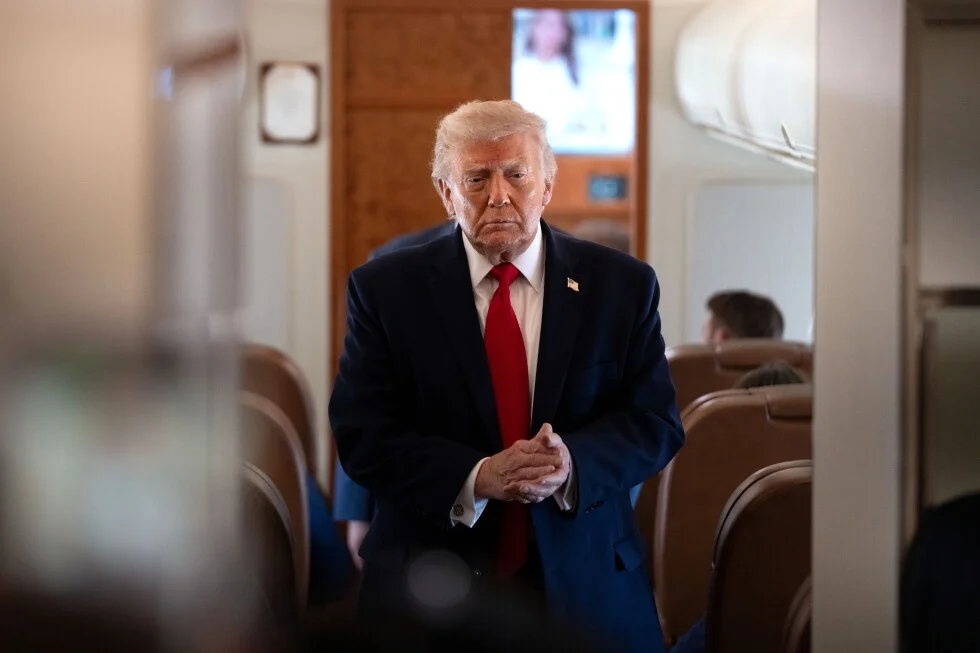
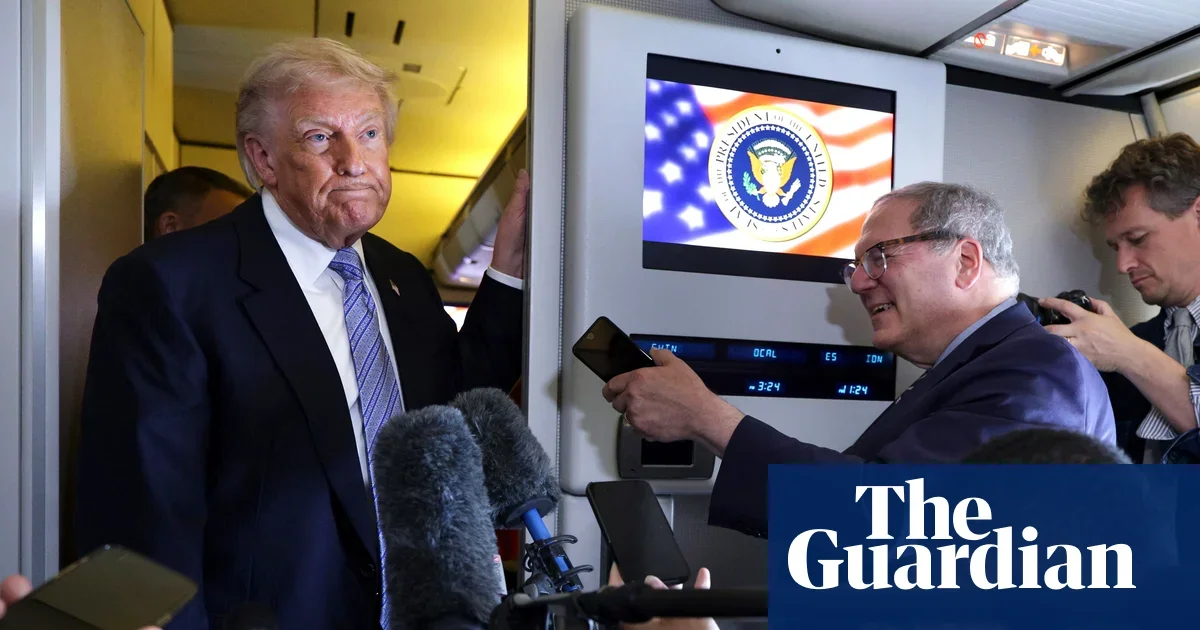
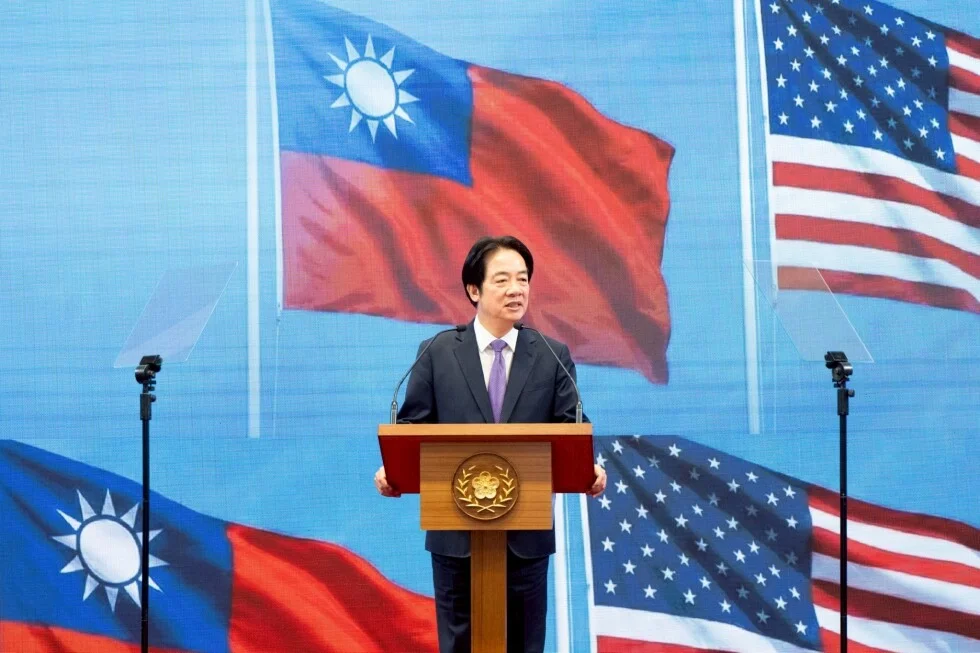
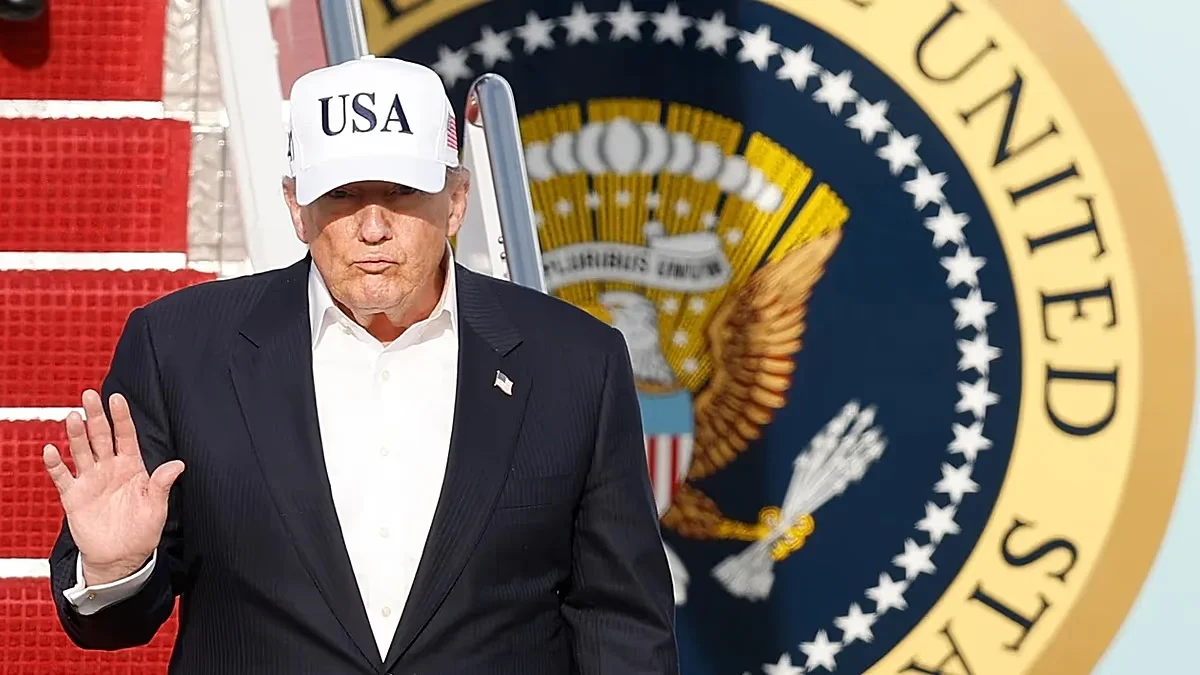
Former President Donald Trump says he's still open to speaking with Taiwan's president Lai Ching-te, despite China warning against contact, signaling ongoing U.S.-Taiwan diplomacy amid cross-strait tensions.
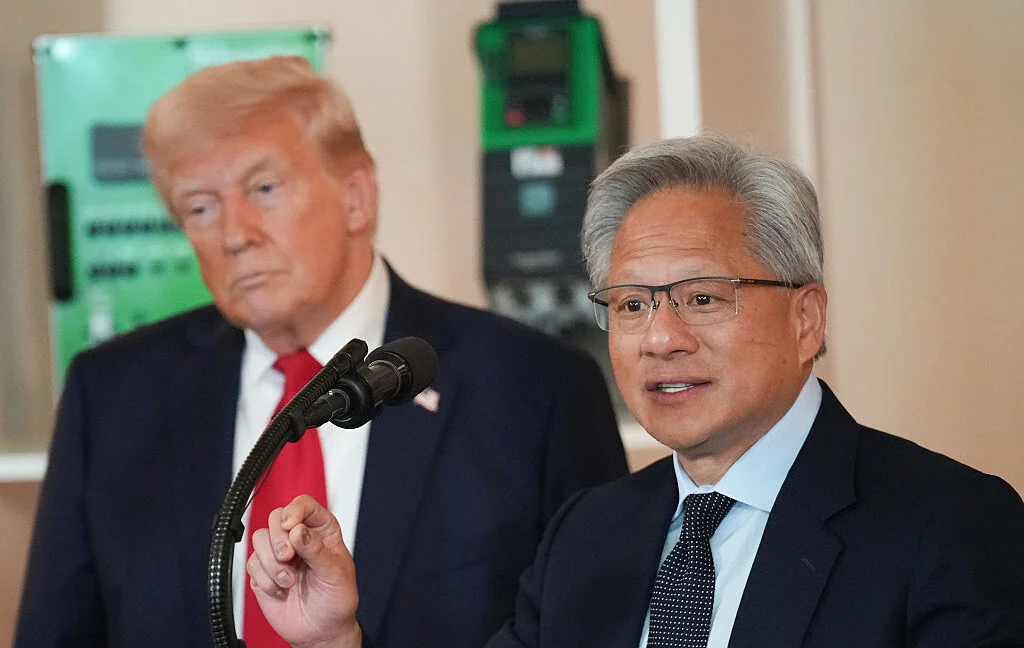
Nvidia CEO Jensen Huang announced a plan to invest about $150 billion annually in Taiwan to build a new Taiwan headquarters and position the island as the epicenter of the AI revolution by 2030, highlighting Taiwan’s crucial role in chip packaging and AI infrastructure. The move comes after Nvidia began US-based chip production to appease Trump’s domestic manufacturing push, but the company still relies on Taiwan for advanced packaging and ecosystem partnerships (e.g., TSMC, Foxconn). The announcement suggests Taiwan’s dominance in AI hardware will remain central even as Washington seeks to shape a US-led AI hub, amid ongoing policy debates over tariffs and export controls that could influence Nvidia’s global strategy.
Trump says he’ll speak to Taiwan’s President Lai Ching-te, an unprecedented move that could roil US-China relations; Lai welcomed the idea, stressing commitment to the status quo, while no call has been scheduled. Direct dialogue would echo Trump’s 2016 call to Tsai Ing-wen, which broke decades of diplomacy since the 1979 shift to Beijing; Beijing warns against such talks and has used arms sales and diplomacy as leverage, while Taiwan remains a key US trading partner and semiconductor supplier.
Taiwan’s President Lai Ching-te urged the Trump administration to continue arms sales to Taiwan to bolster regional peace as Beijing increases its military pressure; Lai credited U.S. arms and security cooperation as essential, even as Trump said he may delay a $14 billion sale as a negotiating chip after a Xi Jinping summit. U.S. officials stressed policy hasn’t changed, while Beijing warns against Taiwan independence, underscoring ongoing tensions in the Taiwan Strait and wider U.S.-China relationship.
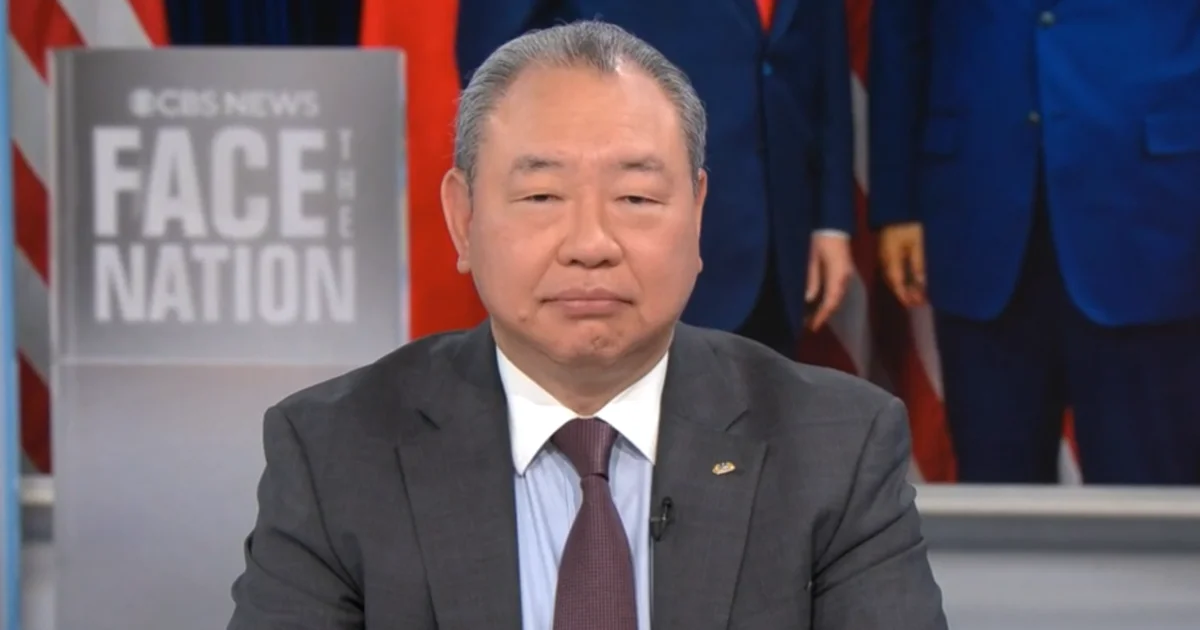
Taiwan’s representative to the U.S., Alexander Yui, told CBS that Taiwan wants peace and stability and isn’t the source of trouble with China, highlighting Taiwan’s sovereignty and resilience against aggression as U.S.-China tensions loom after the Xi–Trump summit. He stressed the U.S. stance on Taiwan defense remains unchanged, noted that arms sales are a potential negotiating chip, and urged sharing Taiwan’s side of the story while avoiding war.
Trump described Taiwan as a 'good negotiating chip' with China, a comment that has sparked anxiety among Taiwan’s officials and regional observers about potential impacts on deterrence, diplomatic space, and how the United States manages its policy toward Beijing during tense cross‑strait dynamics.
Trump’s remarks in Beijing warning against Taiwan declaring independence prompted a Taiwan foreign ministry response reaffirming that Taiwan is a sovereign democratic country and that Beijing has no jurisdiction, while pledging stronger cooperation with the United States to maintain peace and stability in the Taiwan Strait.
Trump said he is discussing possible arms sales to Taiwan with Xi Jinping, a remark that alarms Taipei and fuels debate over whether Washington would consult Beijing, potentially signaling a shift from decades of policy and testing the long-standing framework anchored by the Taiwan Relations Act, Three Communiques and the Six Assurances.
Beijing is unlikely to invade Taiwan in 2026, instead relying on coercive tools—diplomatic isolation, information operations, economic pressure and continued military posturing—to wear down Taiwan while preserving attack options. Xi’s calculus hinges on military readiness and leadership reliability, likely US and regional responses, Taiwan’s defenses and political dynamics, Chinese domestic economic challenges, and broader global context. Despite notable military gains and internal purges, the risk of escalation remains a key factor, making war less likely this year but not impossible if conditions shift.
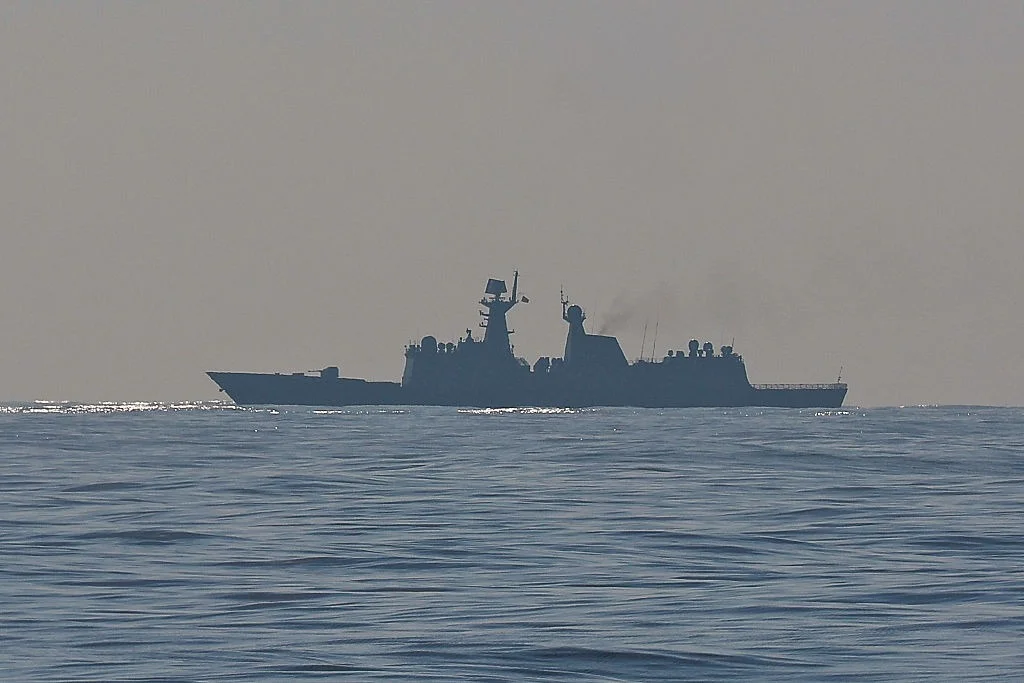
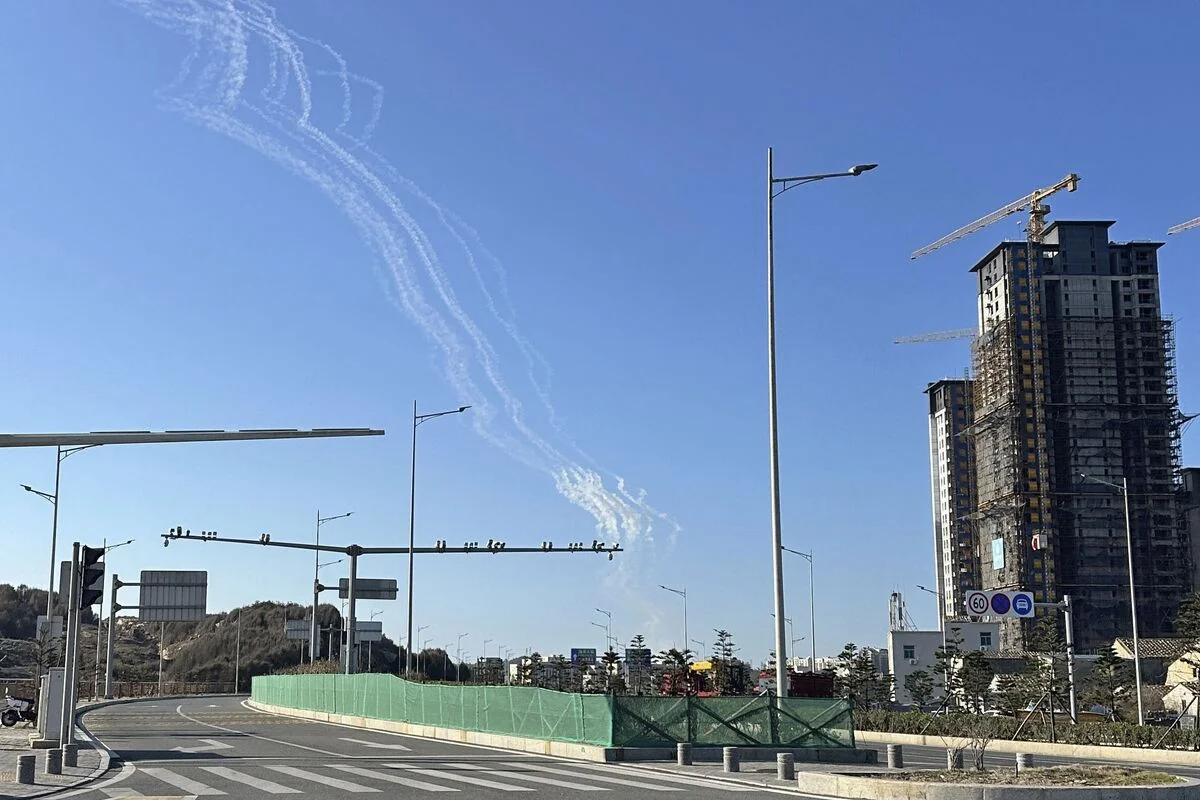
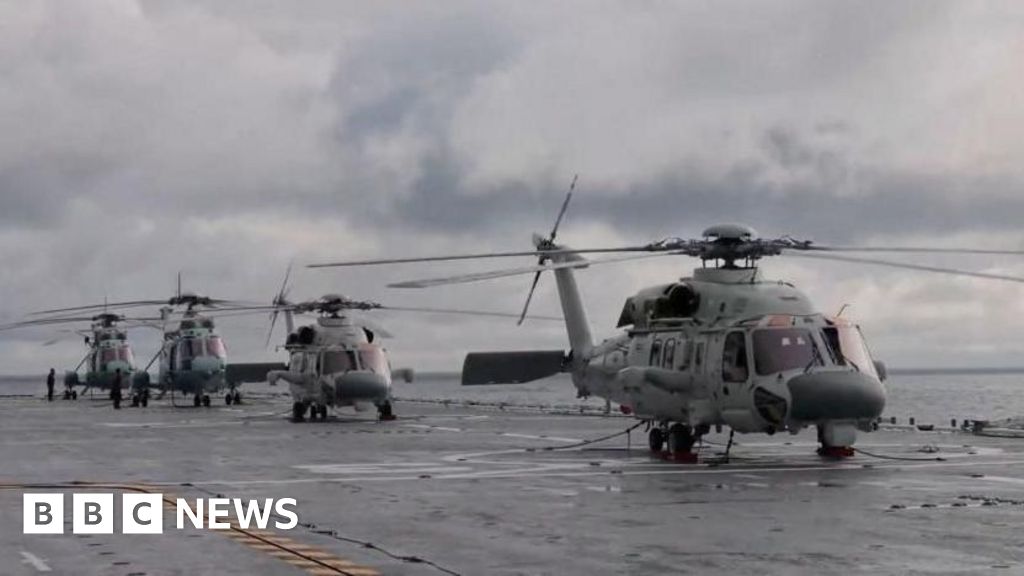
China criticized Western nations for their comments on its military drills around Taiwan, asserting the Taiwan question as an internal affair, while the drills appeared to wind down with Chinese vessels moving away from Taiwan and a decrease in military activity. Western countries, including the EU and Japan, called for restraint, amid heightened tensions following China's most intrusive exercises in recent years.
US President Donald Trump expressed confidence regarding China's military drills around Taiwan, viewing them as routine exercises rather than a cause for concern, amidst heightened tensions following US arms sales to Taiwan and China's assertive military activities in the region.
The US is advocating for a 50-50 semiconductor deal with Taiwan, as TSMC expands its investments in the US, highlighting ongoing efforts to strengthen semiconductor supply chains and US-Taiwan economic relations.
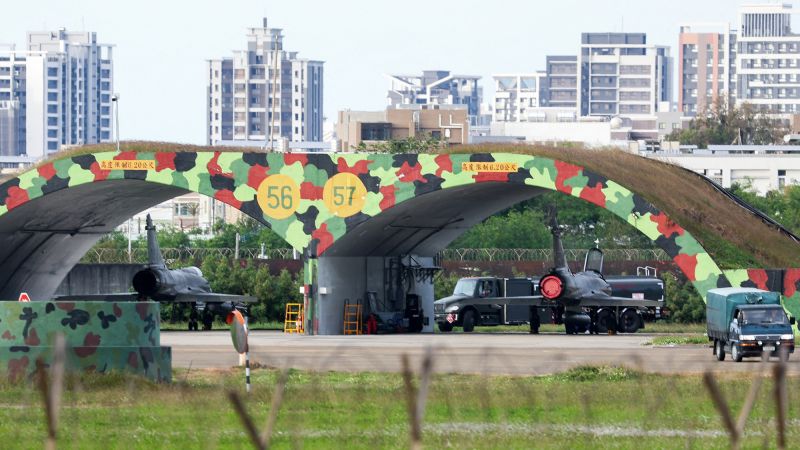
China has initiated significant military movements around Taiwan, with naval and coast guard vessels from multiple theater commands entering the Taiwan Strait and Western Pacific. This follows Taiwan President Lai Ching-te's unofficial visits to the US, which angered Beijing. In response, Taiwan has heightened its military readiness. China views such interactions as violations of its sovereignty, while Taiwan rejects China's territorial claims. The situation underscores ongoing tensions and China's increased military pressure on Taiwan.
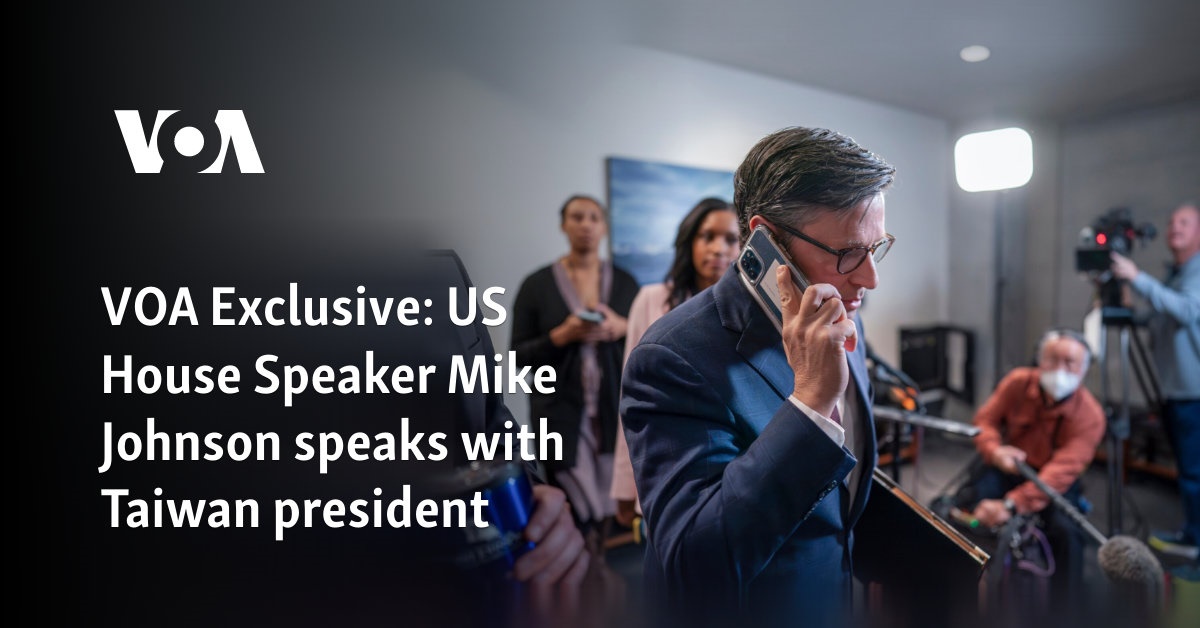
The U.S. has dismissed China's objections to Taiwan President Lai Ching-te's stopovers in Hawaii and Guam, reaffirming that such transits are routine and consistent with U.S. policy. House Speaker Mike Johnson and former Speaker Nancy Pelosi spoke with Lai, highlighting bipartisan support for Taiwan. Lai's Pacific tour aims to strengthen ties with the U.S. amid Chinese opposition, as Beijing views Taiwan as a renegade province. The U.S. maintains a "One China" policy, acknowledging but not endorsing China's sovereignty claim over Taiwan.
Taiwan's President Lai Ching-te visited Hawaii as part of a Pacific island tour, meeting with local officials and the Taiwanese American community, which drew condemnation from China. Beijing criticized the U.S. for supporting Lai's visit and a recent arms sale to Taiwan, reiterating its claim over the self-governing island. The visit highlights ongoing tensions between the U.S., Taiwan, and China, with the U.S. maintaining strategic ambiguity regarding its defense commitments to Taiwan under the Taiwan Relations Act.